
The Chelyabinsk Meteorite tomato is included in the State Register of Breeding Achievements. This variety was recently introduced, but quickly gained popularity among vegetable growers due to its resistance to the vagaries of nature and its versatility.
Advantages of a hybrid
The Chelyabinsk Meteorite F1 tomato variety is designed for cultivation in regions with harsh climates. The hybrid is zoned for planting in temperate regions, Siberia, and the Urals.
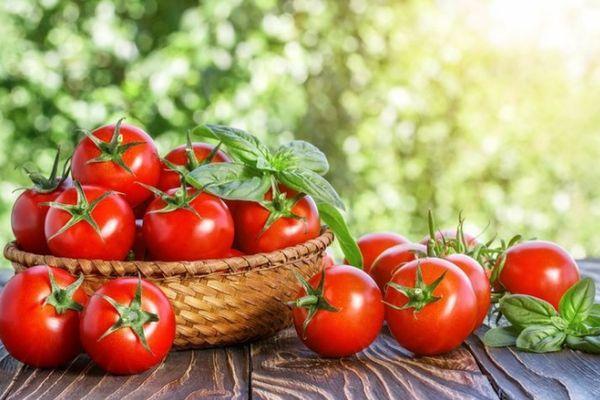
This early-ripening tomato begins bearing fruit 95-105 days after germination. During the growing season, depending on growing conditions, the bush grows to a height of 120-150 cm, requiring shoot removal and tying to a support.
A plant with a medium amount of foliage. To increase productivity, the bushes are trained into 2-3 stems, leaving two leaves above the cluster. The flower cluster is simple, bearing 5-8 fruits weighing 55-90 g. The hybrid yield is 16 kg per square meter.
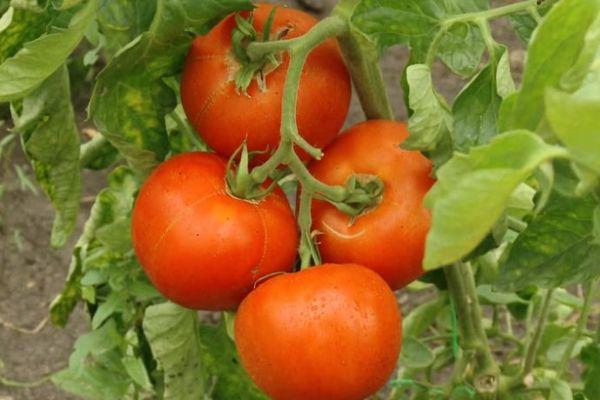
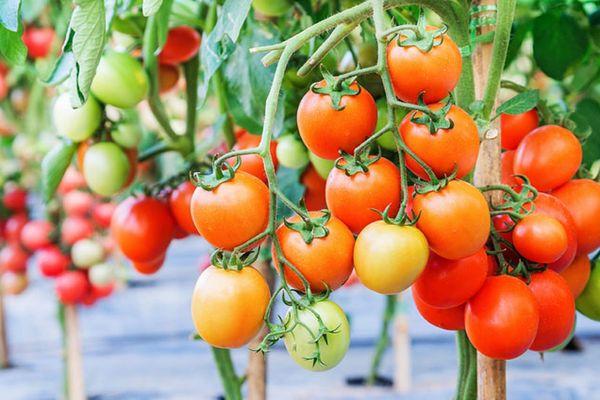
Ripe tomatoes turn an orange-red color. They are round, smooth-surfaced, with fleshy and tender flesh, thick skin, and a sweet taste. These tomatoes are hypoallergenic and are recommended for inclusion in a healthy diet.
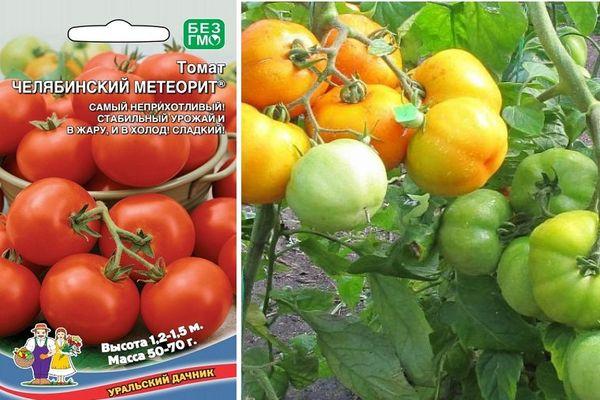
The Chelyabinsk Meteorite tomato variety, whose characteristics and description indicate resistance to adverse weather conditions, is characterized by stable fruiting. The hybrid maintains its ability to set fruit even in drought and cool weather.
Ripe fruits can be stored for a long time and withstand long-distance transportation well. Vegetable growers' reviews indicate that Chelyabinsk Meteorite tomatoes are easy to care for.
In cooking, tomatoes are used fresh in a variety of dishes. They are ideal for canning, as they retain their shape during cooking.
Agricultural technology for tomato cultivation
The hybrid is grown using seedlings. Containers are filled with a prepared substrate consisting of fertile soil and humus. It is lightly compacted and furrowed 1 cm deep.
To ensure uniform sprouting, seeds are pre-treated with an aloe vera water solution and a growth stimulant. To improve germination, tomato seeds are soaked in warm water for 48 hours.
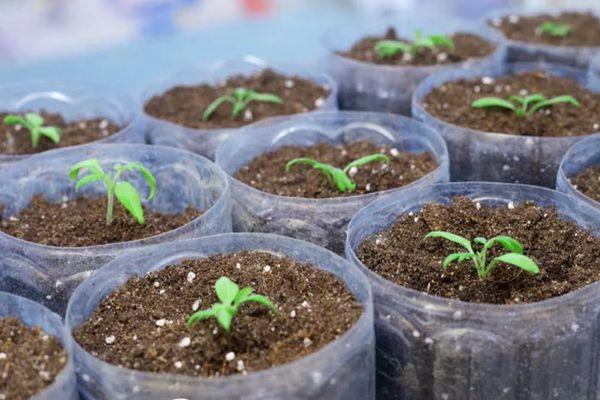
If the seedlings have a nutritious colored coating, they require no treatment. These seeds are coated with a nutrient mixture containing all the nutrients necessary for germination.
After sowing, add a 5 mm layer of peat moss on top. Water with warm water using a spray bottle. Cover the container with plastic wrap or glass to create a greenhouse effect and move it to a warmer location. Once sprouts emerge, remove the cover and place the container in a well-lit area.
For normal development, seedlings require the following conditions:
- temperature conditions;
- constant ventilation;
- additional lighting, timely watering;
- periodic application of complex fertilizers.
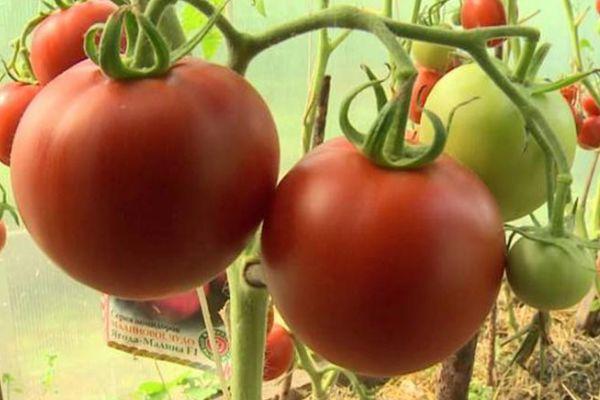
When one or two true leaves have formed, transplanting is performed. This procedure allows us to weed out weak plants and ensure the normal development of seedlings intended for planting in the ground. When growing seedlings in individual containers, transplanting is not necessary.
Tomatoes are easily grown using peat pellets, into which 2-3 seeds are placed. After germination, the vigorous plants are left. This growing method helps protect the root system from damage.
Tomatoes are transplanted to their permanent location 55-60 days after germination. These seedlings reach a height of 30 cm and have formed 6-7 leaves and 1 flower cluster.
Planting care
The planting site is selected in advance, taking into account crop rotation. The best predecessors for tomatoes are legumes, cabbage, cucumbers, and carrots. Before planting, the soil is disinfected with a potassium permanganate solution.
The bushes are planted at a distance of 40 cm from each other, leaving a gap of 50 cm between rows. The plants are moved without breaking the root ball, covered with soil, and watered generously with warm water.
Mulching the soil can help regulate moisture and air balance, provide drip irrigation, and prevent weed growth. Straw, leaves, or non-woven black fiber can be used for this purpose.
Tomatoes are watered weekly at the roots with warm water. It's important to maintain a moderate level of humidity. Excessive humidity can cause the fruit to crack.
A high yield per plant can be achieved with consistent care. Tomatoes require mineral fertilizers at different stages of plant development.
High humidity promotes the development of fungal diseases. As a preventative measure, the bushes are treated with special copper-based preparations and the greenhouse is regularly ventilated. Insecticides and folk remedies are used to combat biological pests.
Related posts:
 Description of the best varieties of black tomatoes for open ground and greenhouses
 The best eggplant varieties for growing in a polycarbonate greenhouse: planting and care
 TOP 17 recipes for pickled sweet tomatoes for the winter
 Delicious recipes for canned tomatoes with honey for the winter, preparation steps
 15 simple recipes for pickling tomatoes in jars for the winter
 Step-by-step technology for growing tomatoes on the balcony, the best varieties with descriptions
 Methods for planting and propagating cherries at home
 How to propagate and grow peas, cultivation technology, and care in open ground