
Among the many tomato varieties available commercially today, experts single out the Eagle's Beak tomato. The plant's name derives from the unique shape of its fruit, which resembles a bird's head and beak. This garden variety's popularity is due to its high yield and excellent flavor.
Description of the variety
The development of this frost-resistant variety is the result of the extensive work of Russian breeders who have been developing crops suitable for growing in Siberian conditions. Today, the seeds are sold under the "Siberian Garden" brand.
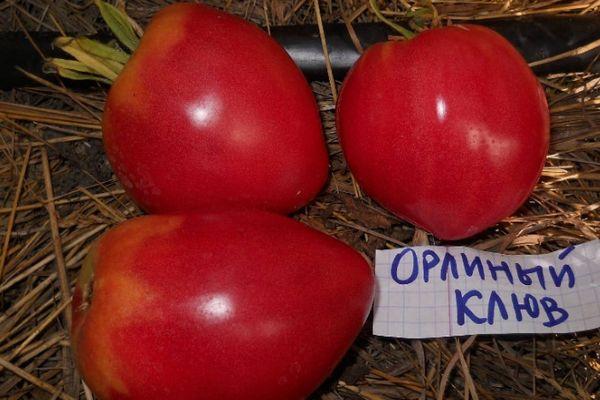
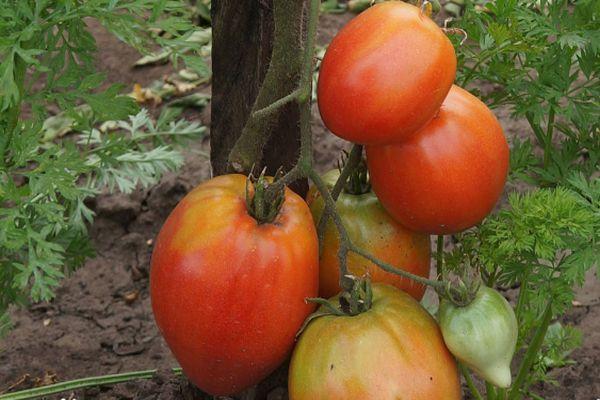
The plant's characteristics classify it as an indeterminate species, with bushes capable of reaching heights of over 2 meters. When grown outdoors, shoot growth is slightly slower, averaging 1.5 meters. Due to its unlimited growth potential, the bushes require shaping and periodic pinching. The plant has large, dark green leaves. The inflorescences that form have a simple structure, with inflorescences appearing every three leaves after the first cluster.
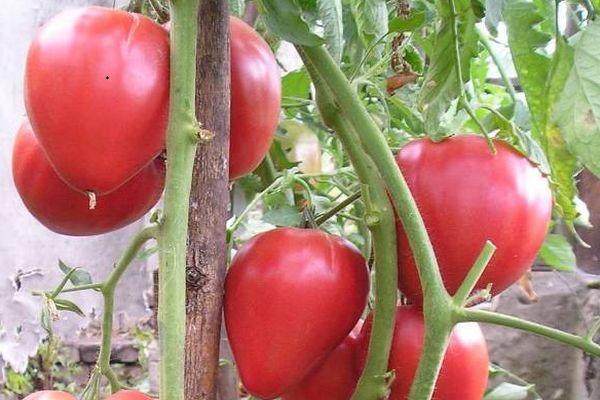
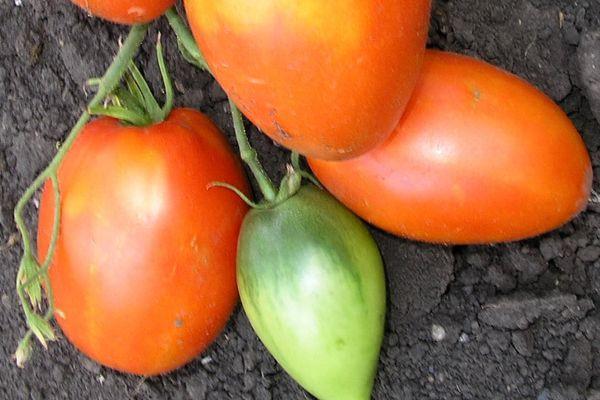
The average ripening period for these tomatoes is 100 days. The Eagle's Beak tomato variety is heart-shaped with a small curved tip resembling a bird's beak. The plant produces large, heavy fruits.
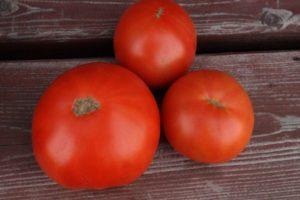
The first branches can weigh up to 1 kg. The average fruit weighs 500 grams. With proper cultivation techniques, a single bush can yield up to 8 kg of tomatoes. The fruits have a unique shape and can vary in color depending on their ripeness, ranging from pink to crimson. The tomato flesh is plump, juicy, and dense, with a negligible amount of seeds.
Growing
The primary cultivation method is seedling cultivation. The plant can bear fruit outdoors and in greenhouses, but the latter yields higher results. The time for planting seeds is determined individually, depending on the regional climate. Early to mid-March is considered the ideal time for planting. Before planting, it is recommended to soak the seeds in water for 10 hours; longer soaking is undesirable, as it can suffocate the seeds.
 Eagle's Beak is a self-pollinating tomato variety; in the Russian climate, the plant is often grown in a greenhouse.The soil for planting should be fertile. When preparing the soil yourself, mix equal parts of soil, sand, and peat. It's recommended to add a small amount of ash to the mixture, which will reduce soil acidity and provide a good source of nutrients for the plant. To disinfect the soil before planting, it's recommended to water it with a weak solution of potassium permanganate.
Pruning is carried out after the plants have developed 2 or 3 leaves. By the time the plant reaches 60 days of age, it will have developed a strong root system and can be transplanted to its permanent location. The shoots should be spaced at least 70 cm apart, 1 m apart.2 There should not be more than 3 plants.
Care Features
To grow and harvest tomatoes, weeding, soil moistening, and fertilizing are necessary. The first soil enrichment with a mineral complex is carried out 14 days after planting, using nitrogen-containing fertilizers. The second fertilizer is applied with potassium-rich fertilizers when flowers and ovaries are forming.
Shoots are formed into 1 or 2 stems. The first shoot, bearing an ovary, forms at the 8th or 9th leaflet. The plant grows tall and requires mandatory side shoot removal and staking. Excess foliage is removed every 10 days. A trellis is used for additional support, but care must be taken not to overstretch the shoots when staking.
Advantages and disadvantages
This Siberian-bred variety boasts a number of undeniable advantages. Reviews of the Eagle's Beak tomato indicate the plant's good stress tolerance and abundant production of large, tasty fruits.
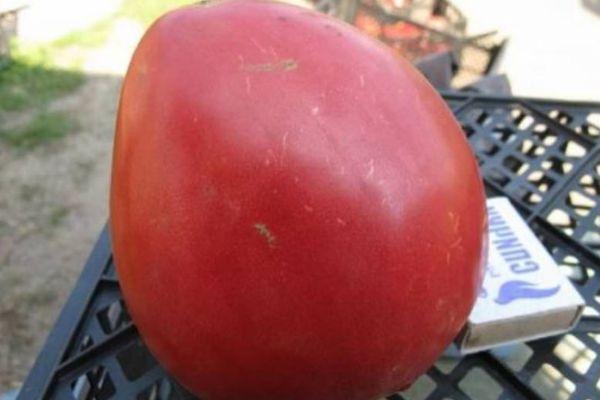
Description of the main advantages of the variety:
- good yield performance;
- the ability of fruits to ripen at the same time;
- frost resistance;
- versatility of application.
Tomatoes can be used fresh as an ingredient in recipes for first and second courses. This adds a rich flavor, increases the nutritional value of the menu, and adds variety to the diet. Gardeners' reviews highlight the excellent quality of tomato juice and paste made from this type of raw material, and the large size of the fruit significantly simplifies the preparation process.
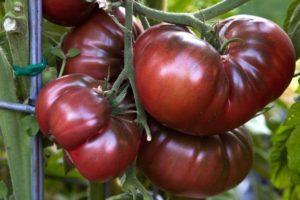
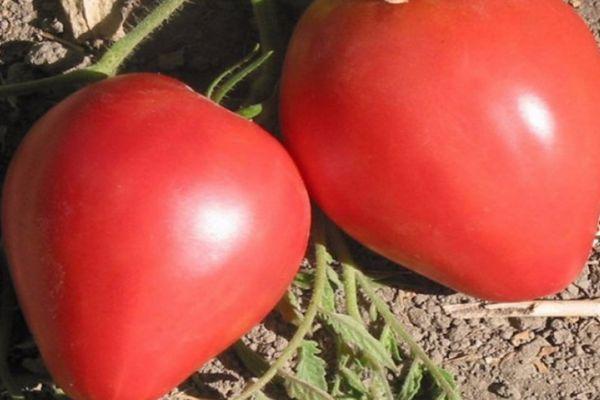
Disadvantages include the need for periodic pinching and staking of shoots. The plant requires sufficient space due to its large, spreading bushes.
When shoots become too dense, problems with sufficient oxygen and nutrient supply are observed, which negatively affects the plant's resistance to tomato diseases and reduces yield.
Some reviews report that this variety of tomato is excessively watery, but this characteristic is often due to growing conditions and the climatic features of a particular region.
Pests and diseases
This tomato variety is resistant to many tomato diseases. To prevent diseases, the soil is treated with potassium permanganate and sprinkled with wood ash before planting. This will eliminate pathogenic microflora and reduce the risk of plant diseases.
Water with warm water. To prevent diseases, it is recommended to spray the shoots several times during the growing season with a weak solution of potassium permanganate or Fitosporin. Adding wood ash to the soil will help prevent pests.
Harvesting and storage
A distinctive feature of the Eagle's Beak tomato variety is its ability to form ovaries from summer to late autumn; harvesting is carried out in 2 or 3 stages throughout the growing season.
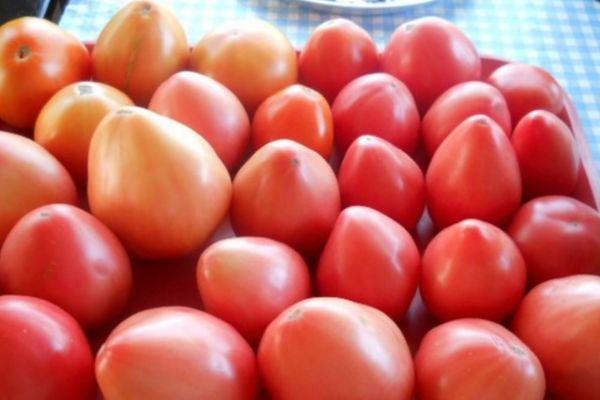
Ripe fruits are ready to eat or be used for preserves. Vegetables that haven't had time to turn red are stored in a cool, dark place after harvesting. After some time, they will ripen to the desired ripeness, after which they can be eaten fresh.
Gardeners' reviews
Anastasia, 47 years old:
"An excellent variety with good-quality tomatoes. It survived spring frosts well, and requires standard care. The fruits are slightly sweet and ideal for fresh eating. If you monitor the shoots and take care of the side shoots, you can get tomatoes weighing up to 1 kg."
Dmitry, 51 years old:
"We purchased seeds of this variety last year for another experiment. Compared to similar varieties, it performed well, producing juicy tomatoes weighing between 500 and 800 grams. The bushes grow up to 2 meters tall with numerous side shoots, which must be periodically removed to prevent the greenhouse from becoming overgrown. Otherwise, care is standard and doesn't require any special skills."
Related posts:
 The best eggplant varieties for growing in a polycarbonate greenhouse: planting and care
 Description and characteristics of the best seeds of pea varieties and types
 What varieties of tomatoes are best to plant in a polycarbonate greenhouse?
 The best grape varieties for growing in the Urals, planting and care rules in summer
 Causes and treatment of eggplant pests and diseases, how to combat them at home
 Growing and caring for hazelnuts in open ground, rules for planting hazelnuts
 Description and rules for growing Solaris grapes
 Descriptions of the 20 best cherry varieties for the Moscow region, their planting and care

The yield of this variety is quite good. I've never had any problems so far. I hardly use organic or mineral fertilizers; for the seedlings, I only useBioGrow".