
Among existing tomato varieties, the Ogorodny Koldun holds a special place. The plant consistently produces a high yield and is distinguished by good resistance to pests and environmental factors. This variety has relatively low growing conditions, making it suitable for planting in Siberia.
Characteristics and description of the variety
The Garden Sorcerer is a tomato variety known for its high yield. It can be grown outdoors. However, if the plant is grown in conditions with frequent temperature fluctuations, greenhouse planting is recommended. The average height of the bush is 1-1.5 meters.
The plant grows to a large size if properly grown from seedlings. Gardeners recommend regularly removing excess shoots (side shoots) to reduce nutrient consumption.
The size of the culture is determined by the following factors:
- average ambient temperature;
- illumination level in the growing area;
- volume of feeding and watering.
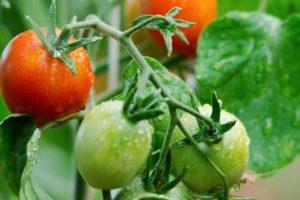
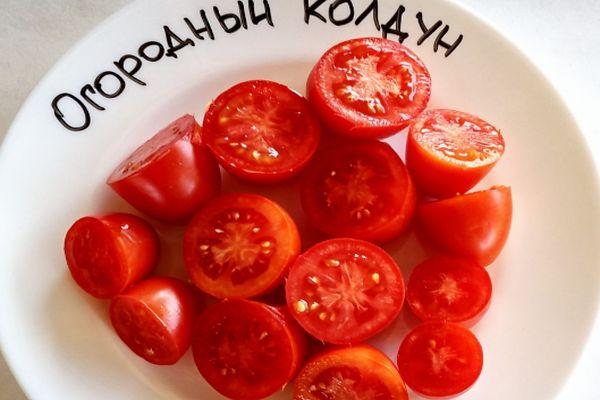
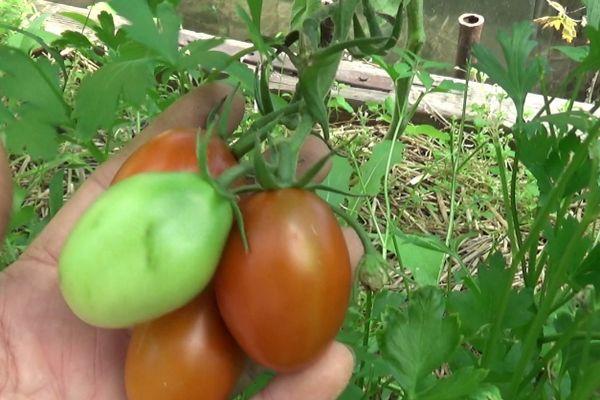
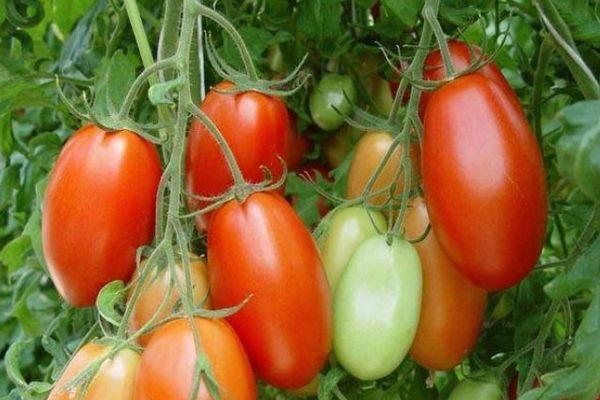
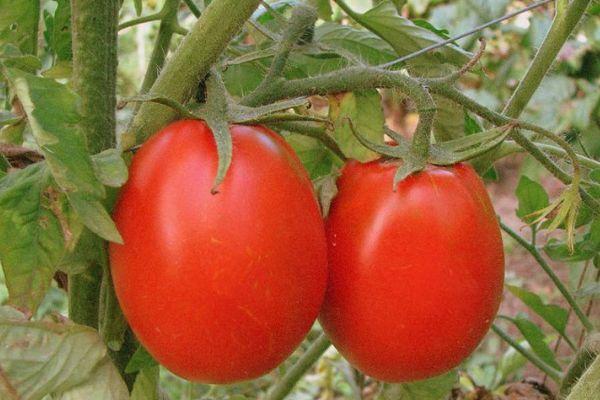
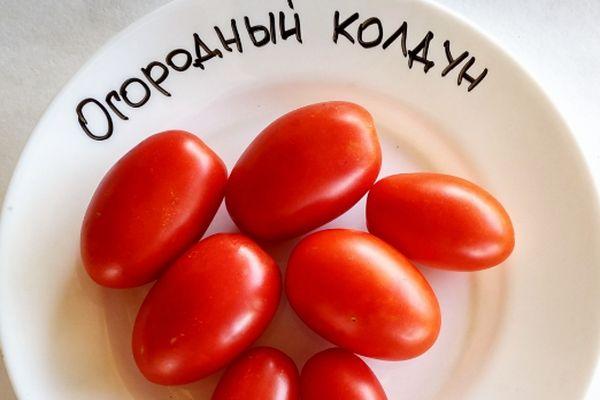
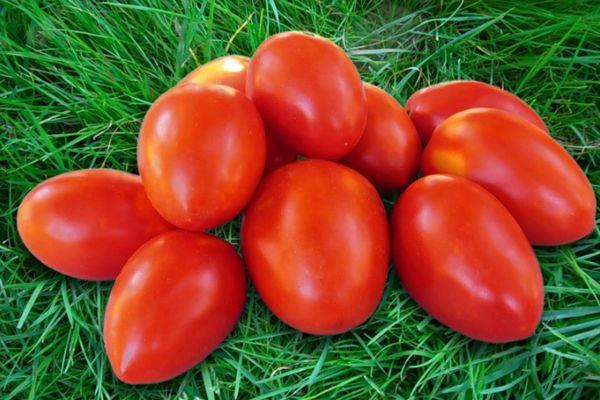
The fruits of this variety have a smooth, even surface. The berries are elongated and have a pointed tip. As they ripen, they turn a bright red.
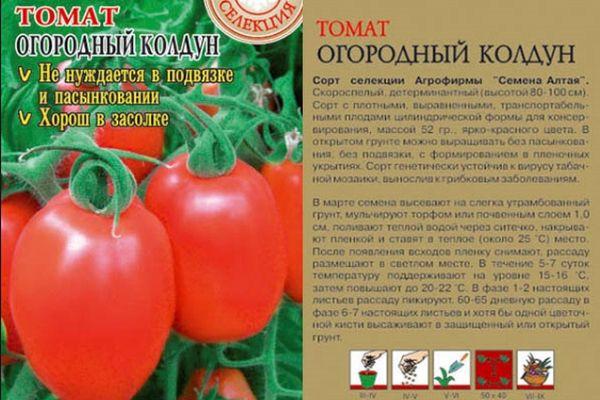
With adequate watering, the berries reach 100-150 grams. The fruits of the Garden Sorcerer have a distinct and bright flavor, combining tartness and sweetness. The yield of a single bush is 5-6 kilograms.
The Ogorodny Koldun variety is characterized by rapid growth. It takes approximately 70-80 days from planting in open ground to harvest. In greenhouse conditions, this period is reduced to 6-8 weeks.
Tomatoes of the Ogorodny Sorcerer variety are used in the preparation of various dishes and canning.
Advantages and disadvantages
The Ogorodny Koldun variety is distinguished by the following positive qualities:
- High yield. With good moisture and temperature control, the total weight of all fruits harvested from a single bush can reach 10 kilograms.
- Excellent taste. Compared to other tomatoes, the Garden Sorcerer is juicier and sweeter.
- Long shelf life. If picked before ripeness, tomatoes will keep for up to one month at room temperature without losing their aroma or flavor.
Take a look Also
Among the disadvantages of the Garden Sorcerer, gardeners point out the need to tie up the bushes. This variety of tomato begins to grow vigorously at a certain time. Because of this, gardeners must frequently tie up and replace the supports to ensure the plant's stability.
Tomatoes called "Ogorodny Sorcerer" require a fair amount of fertilizer to grow properly. Without fertilizer, the plant's yield decreases.
Growing rules
Tomato yields directly depend on proper cultivation and care. Planting should be done at a specific time, while monitoring the ambient temperature and, if necessary, covering the plant.
Planting dates
Planting time depends on the region where the garden is located. Seeds are usually prepared in February. This is the recommended time to prepare seedlings. Those living in northern regions can postpone preparation until early March.
The plant is planted in greenhouses in late spring, and in open ground in early to mid-June. By this time, the ambient temperature should be at or above 15 degrees Celsius. Planting should begin when the soil has completely thawed.
If the ambient temperature drops below 10 degrees Celsius, tomato plants should be earthed up. Otherwise, the seedlings will die.
Seed preparation
Proper seed preparation determines whether a crop will grow. This is because many pests initially reside on the surface of the seed. Therefore, before planting, it is recommended to treat the seeds by soaking them in a potassium permanganate solution. The seeds should be soaked for about half an hour, then dipped in plain water for 5 minutes.
Soil preparation
The Ogorodny Koldun variety has high demands on its growing zone. Therefore, before planting tomatoes, it's important to prepare the site. If the plant is growing in nutrient-poor soil, fertilize it with compost and humus.
The following also help to achieve high yields:
- ash (2 cups per bush);
- potassium (1 glass);
- superphosphate (2 cups).
It's also recommended to add river sand mixed with shells and ash to the planting area. These components will ensure adequate moisture and oxygen flow through the soil layers.
In order to disinfect the area, some gardeners water the bed with boiling water before planting tomatoes.
Sowing
Because the Ogorodny Koldun tomato variety grows to a large size, it is recommended to plant it in a 50x60 cm pattern. However, the plant also thrives when the distance between holes is 20-30 cm.
After planting, the plant needs to be watered generously. For best germination, the crop should be located in a wind-protected area.
If spring weather is constantly changing and there's a risk of soil freezing, gardeners recommend "hardening off" tomatoes beforehand. To do this, move the seedlings outside for a week, gradually increasing the time the plants spend outdoors.
Care regimen
To avoid crop infection and achieve a good yield, tomatoes need to be cared for according to certain rules and timing. This includes transplanting the Garden Sorcerer plant after the first two leaves appear. It's also important to periodically feed the seedlings with high-quality mineral fertilizers. Mulch is used to protect against heat.
Watering, weeding and loosening
The Garden Sorcerer, like other tomato varieties, thrives on abundant moisture. Daily watering is recommended, using a moderate amount. Exceeding the permissible moisture level will cause root rot, and the plant will die. Drip irrigation is suitable for this variety.
It's highly recommended not to allow the soil to dry out. This will cause cracks to form in the fruit after watering.
After watering, the soil hardens. Therefore, it's important to regularly loosen the soil and remove weeds, thereby ensuring the roots have access to oxygen.
Top dressing
Fertilizing tomatoes begins during the flowering period. As the plants grow, it is recommended to increase the amount of fertilizer used. During flowering, it is necessary to reduce the amount of nitrogen supplied. This accelerates the growth and development of leaves and stems. Also, during flowering, increase potassium and phosphorus.
Fertilize every three weeks. To increase the yield of the bushes, many gardeners use manure, pre-soaked in warm water (3 tablespoons of manure per liter of water). Additionally, the area is fertilized with ash and chicken manure.
Protection from diseases and pests
The risk of disease development depends on the quality of tomato care. To prevent pest infestations, follow proper watering guidelines and avoid overwatering the soil. If necessary, you can adjust the soil composition by adding appropriate fertilizer.
To prevent infection in the first half of the season after planting, young seedlings are treated with Bordeaux mixture. Instead of the latter, summer residents use a copper solution or a mixture prepared from cloves of young garlic (3 crushed heads per 5-8 liters of water).
Garden Sorcerer tomatoes are often attacked by whiteflies and Colorado potato beetles. If these insects are found on the plant's leaves, they should be treated with appropriate chemicals. Frequent use of such products is not recommended. Regular spraying can cause pests to adapt to the chemicals, reducing the effectiveness of the treatment.
The Ogorodny Koldun variety is highly resistant to pathogens. These tomatoes rarely suffer from late blight. However, if the leaves are affected, they should be removed at the initial stage of pathogen development.
Harvesting and storage
The Ogorodny Koldun variety is characterized by high yields. Therefore, the fruits are harvested several times during the season. The first berries are picked at the end of July. Two to three weeks later, the second crop ripens. The tomatoes often continue to ripen until the first frost.
Tomatoes are stored in cool places (refrigerators, cellars). They will not spoil at room temperature for several weeks. For longer storage, tomatoes are canned.
The Ogorodny Koldun tomato combines high environmental resistance with the ability to tolerate various diseases. This tomato variety is planted outdoors or in a greenhouse. To ensure a good yield, the crop requires regular watering, maintaining moderate moisture, and fertilizing.
Related posts:
 Description of the best varieties of black tomatoes for open ground and greenhouses
 The best eggplant varieties for growing in a polycarbonate greenhouse: planting and care
 What varieties of tomatoes are best to plant in a polycarbonate greenhouse?
 The best and most productive tomato varieties for greenhouse cultivation in the Urals, with descriptions
 Description and characteristics of the best tomato varieties for outdoor cultivation in the Urals
 Description and characteristics of the best seeds of pea varieties and types
 The best grape varieties for growing in the Urals, planting and care rules in summer
 TOP 17 recipes for pickled sweet tomatoes for the winter