
The "Krasavets Fleshy" tomato not only produces a decent harvest but is also a true gem in any garden. This variety was developed in Russia and received certification over 10 years ago. Thanks to its unique characteristics, it is very popular among gardeners, owners of agricultural complexes, and small farmers. The plants are grown in greenhouses and hotbeds, but they also thrive in open garden beds. Let's look at the variety's characteristics, its advantages and disadvantages, and growing and care guidelines.
Basic properties of tomatoes
Gardeners' reviews, characteristics, and descriptions of the variety provide a positive impression of the Myasisty Krasavets tomato. The bush grows up to 200 cm tall, surpassing such domestic varieties as Sedek, Empress, and Krivyansky.
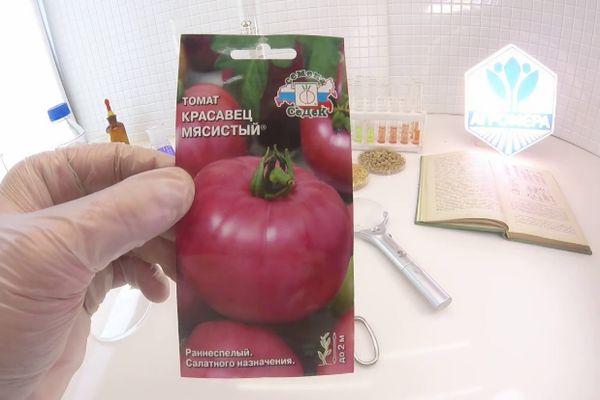
The stem is thick, dense, and knobby. It stores enough moisture to allow the plant to survive several hot days without watering. Due to its height, this variety is best grown under cover to prevent wind from knocking it over. The leaves are medium-sized, dense, and bright green.
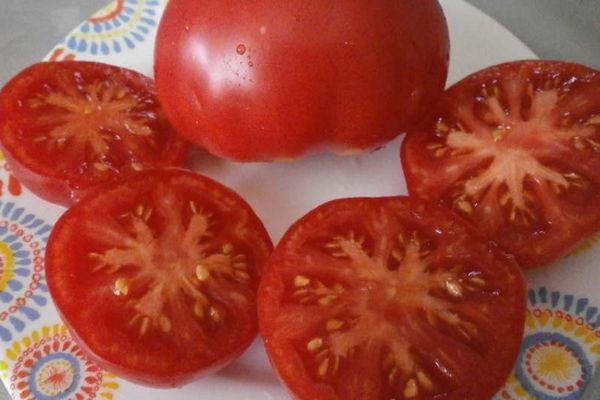
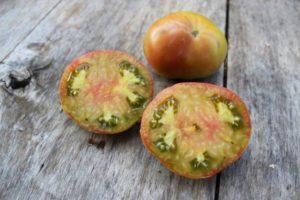
This variety produces a high yield. Outdoors, it can yield up to 12 kg per square meter. In greenhouses, this figure reaches 15 kg. The fruits are large and juicy, with an average weight of 250 g. The tomatoes are perfectly round, pink, and sometimes light red. The skin is thin and glossy. The flesh is meaty, fibrous, and has a pleasant tomato flavor.

The fleshy beauty has a wide range of culinary uses. It's eaten fresh, frozen, canned, and used in juices and ketchups. It withstands transportation and long-term storage well. This makes it popular in private businesses and wholesale trade. When demand for fresh vegetables increases, this variety is brought out of storage and put on sale.
Take a look Also
Advantages and disadvantages of tomatoes
An analysis of consumer and gardener feedback allowed us to clearly formulate a list of the strengths and weaknesses of the Myasisty Krasavets variety.
Its advantages include:
- sizes of tomatoes that are equally suitable for pickling in jars, slicing and salads;
- high resistance to infectious and fungal diseases;
- obtaining a bountiful harvest already at the end of spring or beginning of summer;
- the plant is unpretentious, it easily tolerates high and low temperatures;
- high yield, which is not much lower than that of the world's most famous varieties;
- good shelf life, allowing the fruits to be preserved until the end of winter and even until the beginning of spring;
- resistance to most diseases that affect all varieties of tomatoes;
- the beauty and attractiveness of fully grown bushes with ripe tomatoes;
- Ease of harvesting, as you don't have to bend over to find and pick the fruits.
As for disadvantages, there are few. The bushes are strong, tall, and heavy. To prevent them from falling under the weight of the fruit or gusts of wind, a reliable and stable garter is required. It is noted that during the seedling emergence stage, the plant requires careful watering and lighting. Furthermore, the large size of the bush requires more frequent application of organic and mineral fertilizers.
Features of cultivation
If you're growing Krasavets Fleshy outdoors, it's best to do so in southern regions with consistently warm weather and no strong winds. In temperate climates, the variety should be grown in a greenhouse. In cooler climates, insulated structures with heating are necessary.
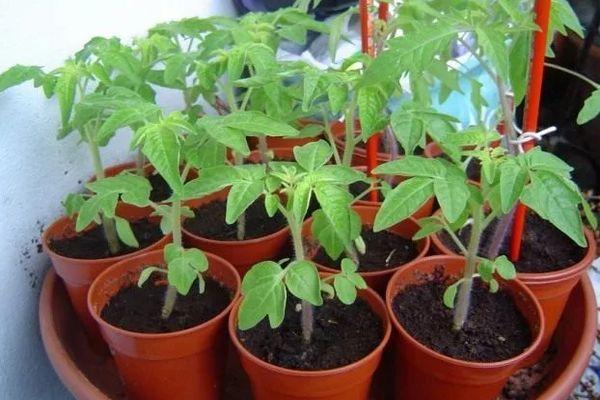
Before planting in containers, seeds should be prepared. It is recommended to treat them with disinfectants and harden them off for a week. Once the first sprouts appear, provide them with constant light and a stable temperature.
Before planting, prepare the soil. Add fertile soil mix, charcoal, and coarse sand heated over a fire to the hole. Pour a solution of copper sulfate or potassium permanganate around each hole in a circle. This will protect the plant from insects and small rodents.
Preventative measures are essential for preventing tomato diseases. Regularly treat tomato plants with copper sulfate or commercial vegetable disinfectants.
Fertilizing should be done at least twice a month. The plant prefers solutions based on rotted manure and responds well to fertilizers containing ammonium nitrate. Even better are combination mixtures, which are sold ready-made at farmers' markets. With proper care, the Fleshy Beauty variety will delight farmers with an excellent harvest.
Related posts:
 Characteristics and description of the Black Beauty eggplant variety, planting and care
 80 Best Eggplant Varieties for Different Regions with Descriptions and Characteristics
 Description of 30 varieties and types of Muscat grapes, planting, cultivation and care
 Description and characteristics of the 60 best sea buckthorn varieties, how to choose depending on the region
 The best grape varieties for growing in the Urals, planting and care rules in summer
 Description of the 90 best varieties of beans for open ground with names
 Description of the Pink Fleshy tomato, growing recommendations
 Descriptions of the 20 best cherry varieties for the Moscow region, their planting and care