The Michael Pollan tomato is a favorite among gardeners seeking a tomato with an unusual shape and flavor. This variety boasts numerous advantages, including a high yield, unusual fruit color, and versatility. To determine whether the Michael Pollan variety is right for you, consider reviews from gardeners and, of course, the variety description.
What is the Michael Pollan tomato?
Characteristics of the variety:
- Michael Pollan is one of those tomatoes that are called mid-season.
- The bush growth is limited, the maximum height is 1.2 m.
- The bushes may break under the weight of the tomatoes, so it is necessary to tie the plants to a support.
- It's important to remember about side-sonning—if you allow shoots to emerge, you could end up losing a large amount of nutrients and minerals, which will go to the shoots rather than the tomatoes.
- As a rule, experts recommend forming this variety of tomato into 3-4 stems.
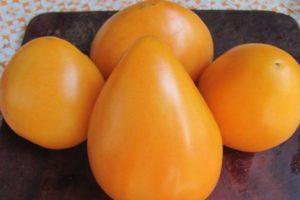
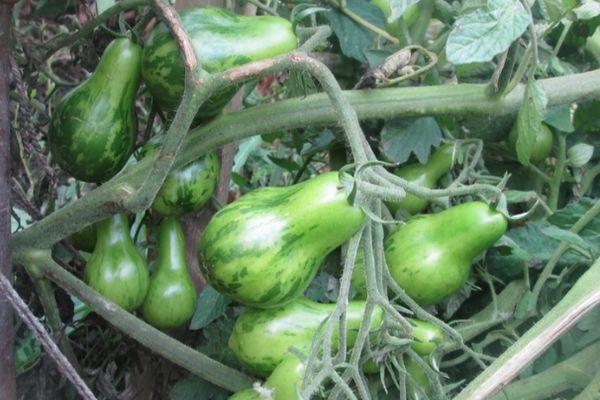
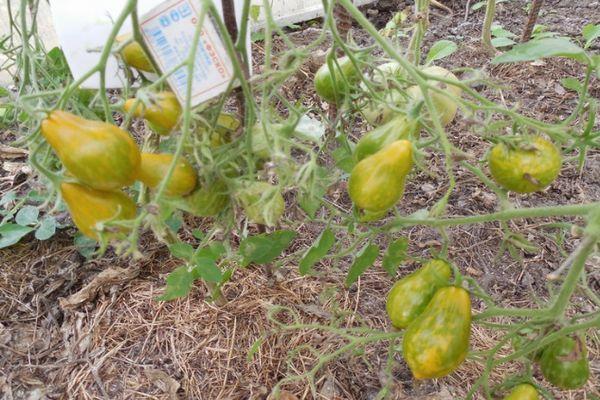
- The fruit's shape resembles a pear. The top is slightly elongated. The skin is glossy and smooth.
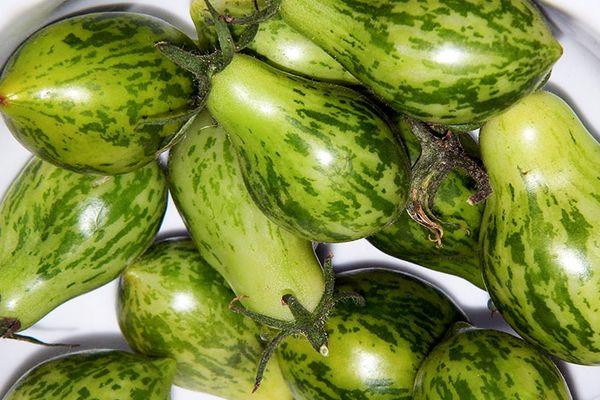
- Ripe tomatoes turn yellow with a slight green tint. Small green stripes appear on the fruit.
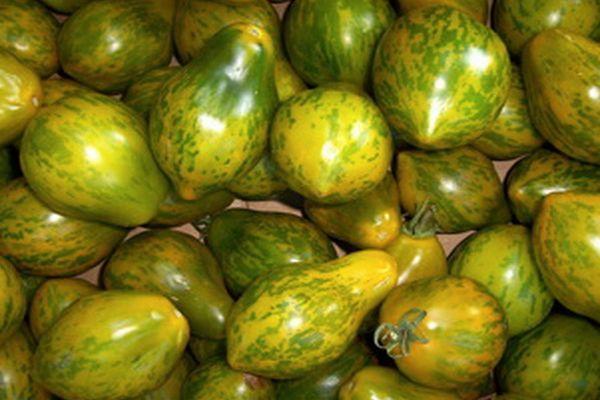
Each tomato harvested from the bush can weigh up to 100 grams, but the average is around 60 grams. They have juicy, fleshy flesh with a sweet flavor, and few seeds. They have an unusual flavor—the taste is described as spicy. Each bush can yield around 3 kg of fruit in one season.
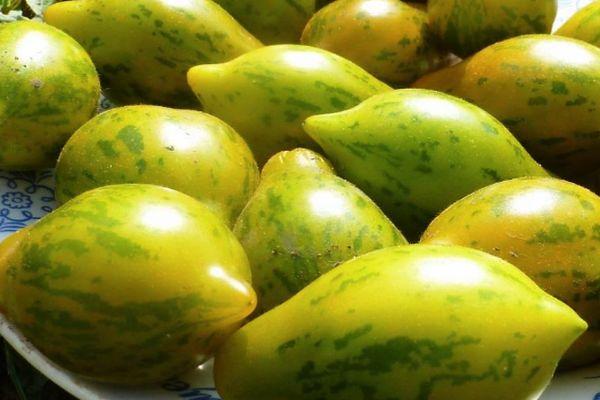
Due to the fact that tomato pulp is characterized by high density, tomatoes can be consumed fresh, just picked from the garden, or canned for the winter.
Experts recommend growing the vegetable only in open ground conditions.
How to grow tomatoes
Despite the fact that the fruits of the Michael Pollan variety are unusual in shape and taste, they don't require any special care. Simply follow basic farming practices and regularly tend to the tomatoes.
So, you need to perform the following steps:
- Water the bushes regularly. This variety isn't particularly fussy about moisture, but to prevent the bushes from drying out, they need to be watered once a week, using a fair amount of water. Watering daily or even more frequently than once a week is not recommended, as excess moisture can lead to the development of fungus and other diseases.
- Pricking out is necessary if the seeds were initially planted in a single row without proper spacing. Once the first sprouts have emerged and developed a pair of leaves, they should be dug up and replanted. Plants are transplanted to a garden bed or greenhouse 50-55 days after sowing the seeds in containers.
- Staking is essential. Tall growth and a large number of fruits can cause the bush to sag or break. After securing the seedlings, place special rods near them. Tie the plant stems to these rods with twine or nylon.
Fertilizers, including mineral nutrients, should be applied promptly. This should be done three times. To ensure the fertilizer has a positive effect on the bushes, it's important not to overdo it.
Reviews from vegetable growers who have already grown this variety are positive. They note the high yield and unique flavor of this variety.
Related posts:
 80 Best Eggplant Varieties for Different Regions with Descriptions and Characteristics
 Description of 30 varieties and types of Muscat grapes, planting, cultivation and care
 Description and characteristics of the 60 best sea buckthorn varieties, how to choose depending on the region
 Description of the 90 best varieties of beans for open ground with names
 Beginner's Guide to Growing Grapes in Open Ground in Central Russia
 The best grape varieties for growing in the Urals, planting and care rules in summer
 50 Best Pumpkin Varieties with Descriptions and Characteristics for Outdoor Planting
 How to grow grapes in the Moscow region in open ground without a greenhouse