
Pink-fruited tomatoes are especially popular due to their excellent flavor, sweet and juicy flesh, and health benefits. Gardeners choose the Pink Flamingo tomato for its many positive characteristics. However, to harvest delicious tomatoes, you need to put in the effort and follow proper vegetable growing practices.
Description of the variety
Indeterminate tomato varieties are distinguished by long stems that can grow indefinitely. However, indeterminate tomatoes also produce large quantities of fruit. The Pink Flamingo tomato variety has a stem height of 1.2–2 meters. It is considered a mid-season tomato. Fruits reach technical maturity 100–115 days after germination. In greenhouses and during hot summers, tomatoes ripen 10 days earlier.

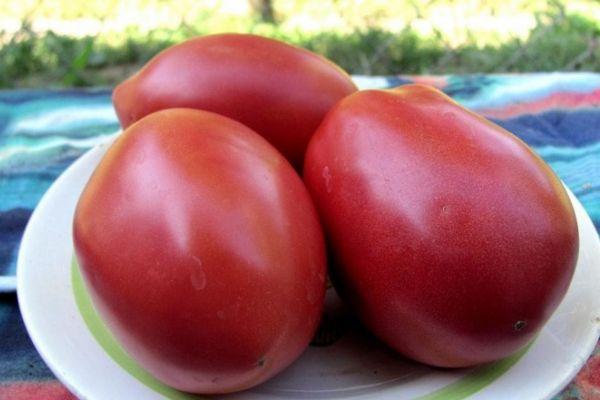
The description of the fruits includes the fact that they:
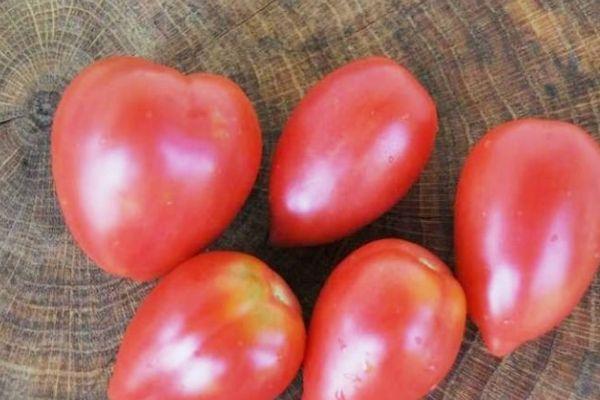
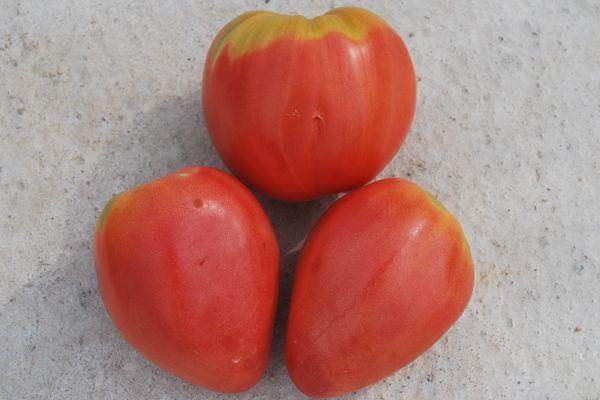
- plum-shaped;
- large, weighing up to 200 grams, less often - up to 400;
- with dense pink skin;
- there are striped ones;
- the taste is amazing - sweet, juicy;
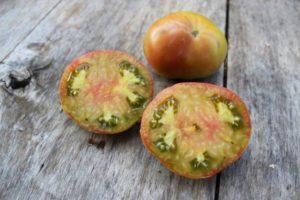
- with a small number of seeds in 4–6 chambers;
- with slightly pronounced ribbing and a “nose”;
- universal for use.
Tomato bushes produce stable yields if the rules for growing vegetable crops are followed.
Growing
Tomato seedlings are prepared starting in mid-March. The seeds are disinfected with a potassium permanganate solution and hardened in cold water. Before sowing, they are germinated by placing them in layers of damp toilet paper.
Place nutritious, loose soil in seedling trays, and plant the seeds 1–2 centimeters deep. Transplant the seeds when two true leaves appear.
At the age of 60–65 days, Pink Flamingo tomato seedlings are ready for planting in open or closed ground.
Fertile, deeply cultivated areas are selected for the plants, prepared in advance. Cabbage or legumes are suitable pre-planting options for tomatoes.

Seedlings are planted using a 70x70 cm spacing. Depending on the region, the seedlings are transplanted to the garden in mid-May and to the greenhouse a week earlier.

Tomato planting holes are made measuring 30 x 30 x 30 centimeters, with 300–500 grams of humus and 50–70 grams of wood ash added. The soil components are mixed before planting.
I plant the seedlings deep into the soil up to the first true leaf. The seedlings' elongated stems require deeper planting. After planting, water the stems thoroughly. Each hole requires up to 2-3 liters of water.
The best time to plant tomatoes is in the evening. This ensures a 2-3 day jump in plant development compared to planting in the morning.
After two weeks, spray the plants with a 1% Bordeaux mixture solution. Repeat the process after 10 days. This will protect the tomatoes from fungal infections.
Care Features
The yield of the Pink Flamingo variety depends on proper plant care:
- Indeterminate stems require staking. To do this, drive stakes near the stem and tie them with twine several times throughout the season as the shoot grows.
- Tomato plants should be trained to have one or two stems. Unnecessary side shoots are removed, allowing for larger fruits to be harvested. The first side shoot is left above the first flower cluster.
- To ensure rapid ripening of the fruit, pinch off the top of the main shoot in early August. Leave 2-3 leaves above the top flower cluster. If the stem is short, this step is unnecessary.
- The variety is fed 3-4 times per season, starting with organic fertilizers, alternating them with mineral ones.
- Water the vegetable bushes regularly, reducing the frequency of watering before flowering.
The sugar fruits are harvested as they ripen.
Advantages and disadvantages
The advantages of the Pink Flamingo variety include:
- resistance to fungal and bacterial infections;
- adaptability to adverse weather conditions;
- excellent shelf life of tomatoes with preservation of quality for 2 months after harvest;
- good transportability;
- excellent true tomato taste of the fruit.
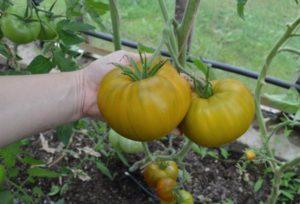
A drawback of this variety is the fruit's tendency to crack if not grown properly. The meager yield is a concern for many, as only 10 kilograms of tomatoes can be harvested from one square meter, sometimes even less. However, the Pink Flamingo is worth growing for its delicious, juicy fruits, which are simply amazing fresh. They can be used to prepare high-quality salted and pickled products for the winter.

Pests and diseases
Although Pink Flamingo is a resistant tomato variety, under unfavorable conditions the variety is susceptible to:
- late blight;
- mosaic of leaves;
- white rot.
If brown spots appear on leaves in late summer, spray the bushes with phytoncides. Treatment with a Bordeaux mixture solution helps against late blight.
Mosaic infection is recognized by the unusual pattern of the leaf blade. Dark areas alternate with light ones. As the disease progresses, the leaves become misshapen and curl. Prevention is soaking tomato seeds in a solution of potassium permanganate.
Once areas of white rot are detected, the affected plants and their parts are removed. Stems showing symptoms of the disease are dusted with lime or crushed charcoal.
 Among the pests that are dangerous for tomatoes are the Spanish beetle and the locust beetle. The parasite's larvae can destroy tomato plantings. Control the beetle by treating the beds with insecticides.
Harvesting and storage
Harvesting of the Pink Flamingo variety begins in August. Ripe tomatoes are picked daily and stored in the refrigerator, where they will not spoil for two weeks. This variety of tomato makes delicious preserves. Medium-sized tomatoes are suitable for pickling and salting. Sliced tomatoes also make excellent preserves. They are used to make winter salads and lecho. They are rarely used to make tomato juice or sauces.
Pink Flamingo tomatoes have a remarkable flavor, making them easy to eat when fresh. Their flavor also remains excellent during storage.
Gardeners' reviews
Tatyana, Barnaul:
"My mom and I have been gardening for a long time. We especially love growing tomatoes. I once read reviews about the Pink Flamingo tomato variety and decided to plant it in our garden. I've been growing these tomatoes for two years now. They taste simply amazing. The whole family waits for them to ripen and then we're the first to eat them. These pink, plum-like tomatoes are amazingly delicious. Yes, they require some work, but they love care. But the results are worth it."
Maria, Kaluga:
"Anyone who's planted Pink Flamingo tomatoes will understand why I love them. The tomato plants are beautiful, never get sick, and the fruit they produce is simply wonderful. I rarely pickle them because we eat them so quickly—they're so delicious and sweet. The kids absolutely adore them. Tomatoes are a lot of work, but it's so rewarding to care for them. Afterward, you can enjoy those truly delicious tomatoes."
Related posts:
 Description and characteristics of the Pink Elephant tomato variety, yield and cultivation
 Description and characteristics of the Pink Giant tomato variety, yield and cultivation
 Description of the Pink Souvenir tomato variety, cultivation and care features
 Top 7 varieties of shrub roses, their planting and care in open ground for beginners
 What varieties of tomatoes are best to plant in a polycarbonate greenhouse?
 Description of the best varieties of black tomatoes for open ground and greenhouses
 Description of the best tomato varieties and ratings for greenhouses in 2025
 Description of the Pink Leader tomato, growing seedlings and care instructions