
In 2004, breeders developed the Siberian Troika tomato, which was later added to the State Register of Varieties of the Russian Federation. Its distinctive feature is its ability to consistently yield 5–6 kg per square meter, even in harsh climates.
Features of the variety
Siberian Troika is a determinate, standard variety. It grows up to 60 cm and requires no shaping. Weak side shoots can be removed, but this is not necessary. The bushes are robust, with strong stems and a well-developed root system. During flowering, clusters of 5-10 flowers form. Gardeners love this variety for its excellent yield.
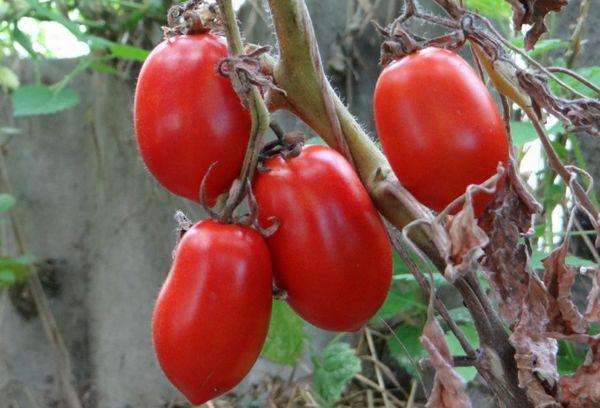
The first inflorescence begins above the 9th leaf, with the remaining inflorescences appearing every other pair of leaves. After 11–12 clusters have formed, the bush stops growing. To extend the fruiting period, a fruiting side shoot can be allowed to grow. This should be selected approximately 35–40 days before topping, and the remaining side shoots should be removed. A lateral shoot can also produce 10–12 fruit clusters.
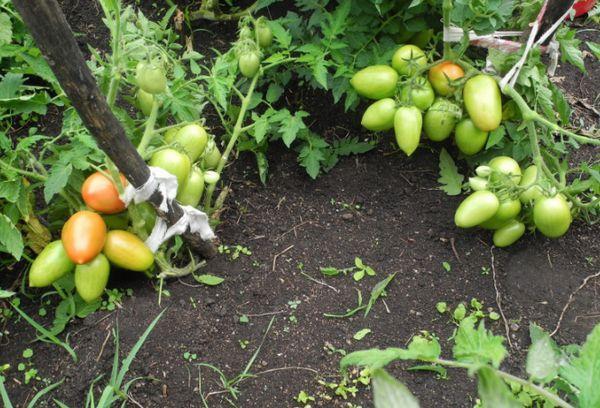
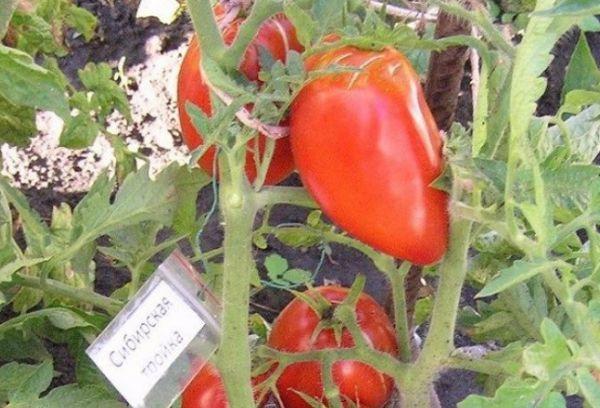
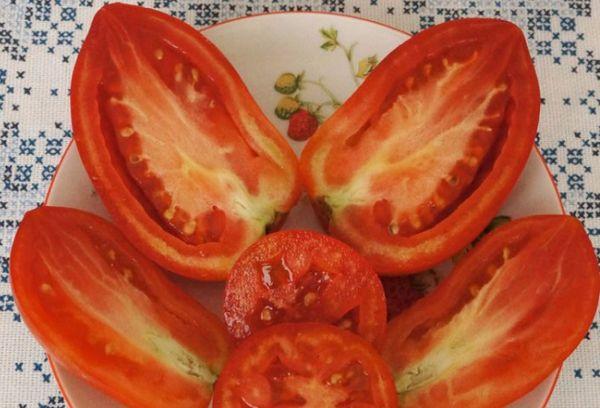
Siberian tomatoes are cylindrical and contain three or four chambers. They have a small beak at the end. The flesh is moderately juicy, not cottony, and firm, while the skin is firm but thin. The fruit's color changes from green to brown and bright red as it ripens.
Agricultural technology
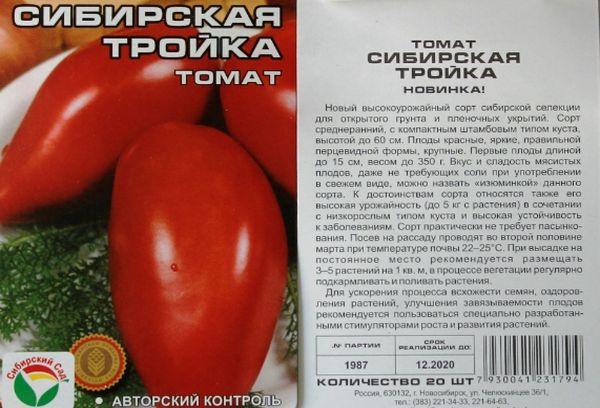
A detailed description is available on the seed packets. The variety is zoned for the Urals and Siberia, but it also produces high yields in southern latitudes. In northern regions, seedlings are recommended, while in southern regions, seeds can be sown directly into open ground. These tomatoes tolerate short-term cold spells and heat well.
Sowing seeds
Seeds should be sown so that the seedlings are two months old by the time of planting. In Siberia and the Urals, they can be planted in a greenhouse in the third ten days of May, and in open ground in early June. Preparing the Siberian variety for sowing involves soaking. First, the seeds are soaked in a weak solution of potassium permanganate for an hour, then soaked in a growth stimulant solution.
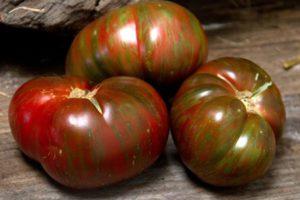
Sow in a nutritious tomato soil mixture, planting 1 cm deep. Ideally, space adjacent seeds 1.5 cm apart. When two true leaves appear, transplant the seedlings into individual pots.
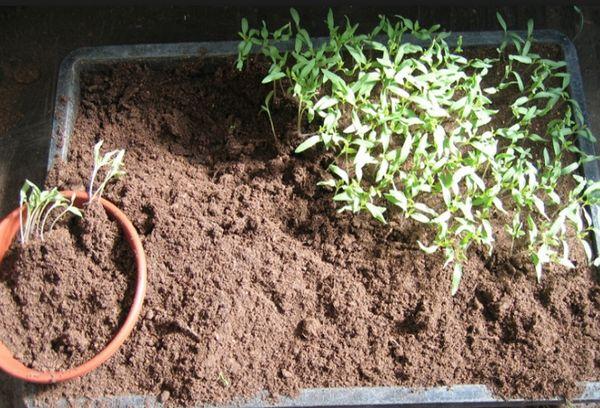
Picking and planting in the ground
A week before transplanting, apply a phosphorus-potassium fertilizer. Some time after transplanting, apply an organic fertilizer, and two weeks later, apply a complex mineral fertilizer.
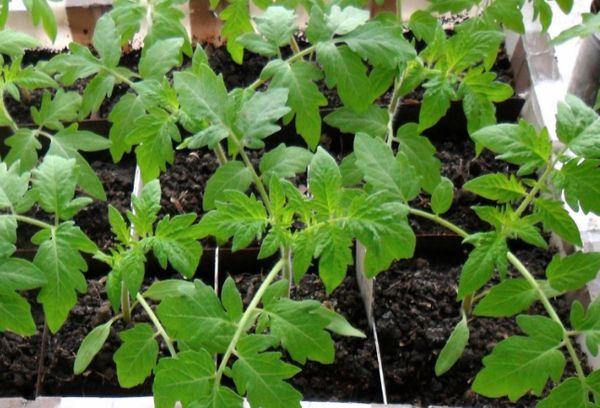
Tomatoes are ready for transplanting to their permanent location when they have 10 true, rich green leaves. They should be 20–25 cm tall. Don't delay transplanting, otherwise the tomatoes will bloom and then shed their blossoms. Plant 40 cm apart within a row, with a 50 cm spacing between rows.
Care Features
During the first growing period after planting, Siberian tomato varieties are only watered and loosened. Every 10 days, liquid fertilizers are applied with complex fertilizers. During flowering and fruit set, the plants especially need micronutrients, so fortified fertilizers should be used. When tomatoes are actively growing foliage, they require nitrogen fertilizers, and during ripening, potassium and phosphorus are effective.
The average fruit weight is 200–300 g, with individual tomatoes growing up to 350 g. To ensure the bushes can bear this weight, they need to be tied up.
Advantages and disadvantages
Farmers note that the variety has no significant drawbacks. The Siberian Troika has excellent yield characteristics, is easy to grow, and requires no pinching or shaping. It also has other advantages:
- compact bushes;
- stable fruit set in different years;
- good shelf life;
- amazing taste;
- friendly ripening;
- resistance to pests and diseases.
Pests and diseases
This tomato variety is relatively resistant to most diseases, except for late blight. To prevent blight from affecting the leaves and fruit, several preventative treatments are recommended throughout the season. Preventative measures are crucial. Tomato plants should be spaced well apart. Weeding should be done promptly to avoid creating favorable conditions for harmful insects and microorganisms.
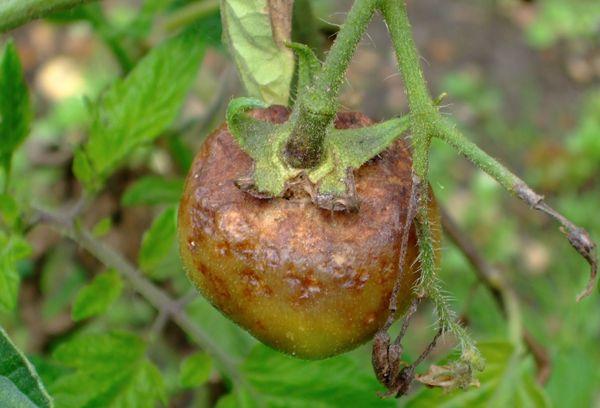
Tomatoes are more susceptible to disease in high humidity conditions, so avoid watering the leaves. Diseases that affect the variety in unfavorable years include:
- powdery mildew;
- Alternaria;
- blossom-end rot;
- anthracnose;
- mosaic;
- fusarium.
When tomatoes approach the final stage of ripening, gardeners are left with only folk remedies. Effective recipes:
- Onion peel decoction. Add one cup of chopped onion peel to one liter of water, bring to a boil, and simmer for 5 minutes over very low heat. Turn off the heat, stir, cover, and let steep for 24 hours. Then strain and spray generously. Helps get rid of spider mites, aphids, and blacklegs.
- Soap solution. It's used mixed with the husk decoction. You can simply grate some laundry soap into it, or prepare a separate alkaline solution and then pour the decoction into it. 20 grams of soap per liter of water is enough. Helps repel aphids and mites.
- Ammonia. Add 50 g to 10 liters of water, mix, and spray in the evening. After treatment, water the bushes only the following day.
Farmers who don't want to use chemicals plant parsley, celery, and other herbs next to the Siberian variety, but this measure is ineffective.
Harvesting and storage
Tomatoes of this variety should be harvested when they are fully red. Because the fruits are quite large, they need to be allowed to ripen on the vine; otherwise, the inside may turn pink or brown. Disease- and insect-free tomatoes have good shelf life and retain their marketable appearance for a long time.
Important! Do not store fruits of this variety at different stages of ripeness in the same container, otherwise their shelf life will be reduced.
While unripe tomatoes are ripening, ripe ones will begin to spoil and contaminate healthy produce. To ensure uniform ripening, it's best to stack tomatoes that are partially red or brown together.

If you plan to can tomatoes, use them on the day of harvest, or within 24 hours at the latest. For fresh consumption, they can be stored
Gardeners' opinions
Irina Zubtsova, 43, from Kotelnich, Kirov Oblast: "Not all varieties ripen in our climate, and some are severely affected by late blight. I've been experimenting for years, planting early, mid-season, medium-sized, and standard tomatoes, and then by chance I bought some Siberian Troika seeds. I'd read good reviews about them, but I'd been hesitant to plant them before. The flavor is excellent, and fresh tomatoes can be eaten in salads or plain. They also produce good tomatoes, bright and plump."
Tatyana Nikitina, 56, Krasnoyarsk: "I'm a novice gardener. I grew this tomato variety in a polycarbonate greenhouse for the first year, and then decided to try growing it in uncovered beds. I chose the Siberian Troika variety because it was bred in our area. I was very pleased with the results; I've already recommended these tomatoes to my neighbors and daughters-in-law, and I hope they'll take my advice. I recommend planting a couple dozen 'Troika' plants to anyone who's been looking for an easy-to-grow, long-lasting, and delicious variety. I'm sure you won't be disappointed!"
Related posts:
 Description of the best varieties of black tomatoes for open ground and greenhouses
 What varieties of tomatoes are best to plant in a polycarbonate greenhouse?
 80 Best Eggplant Varieties for Different Regions with Descriptions and Characteristics
 Description and characteristics of the 60 best sea buckthorn varieties, how to choose depending on the region
 The best grape varieties for growing in the Urals, planting and care rules in summer
 Descriptions of the 20 best cherry varieties for the Moscow region, their planting and care
 Description of 30 varieties and types of Muscat grapes, planting, cultivation and care
 The best tomato varieties for growing in the Leningrad region for greenhouses and open ground