
Russian breeders have developed the "Zasolochnoye Chudo" tomato, ideal for home-canned goods for the winter. These small tomatoes have a rich tomato flavor that remains intact after canning and pickling.
What is the Zasolochnoye Miracle tomato?
Characteristics and description of the variety:
- This versatile tomato is an early bearer. The first fruits ripen 80-90 days after germination. Gardeners are already enjoying these tomatoes as early as mid-summer.
- This is a standard, determinate variety. The plant has a compact root system. The bushes are small and sparsely foliated, reaching a height of about 50 cm. Plants are planted close together.
- Tomatoes can be grown in both greenhouses and open-air beds. Gardeners' reviews are positive. They report that tomatoes produce high yields both indoors and outdoors. The only difference is that seedlings are planted earlier in greenhouses, where the harvest ripens faster.
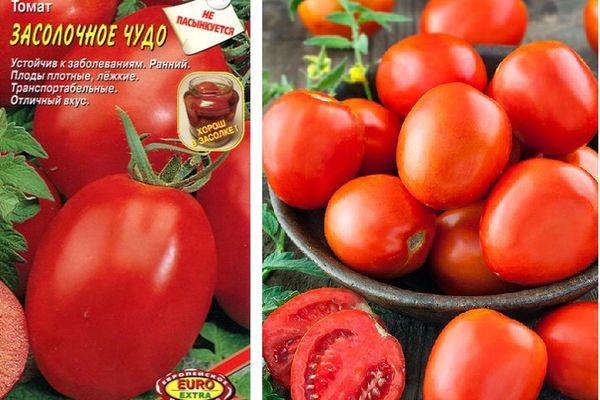
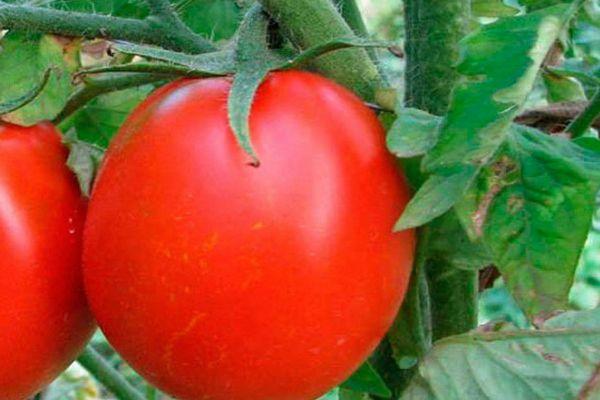
The Zasolochnoye Chudo tomato fruits are neat and small, weighing between 60 and 90 grams. They are slightly elongated, reminiscent of olives, and are a rich, bright red in color.
The flesh is dense and aromatic, without being overly sweet. The skin is smooth, elastic, and very strong. This gives the variety excellent shelf life. It can be stored indoors for a long time and transports well. Suitable for commercial cultivation.
The fruits contain many beneficial substances, including a high content of lycopene, which has a beneficial effect on the skin, rejuvenating it.
Tomatoes are ideal for canning. Their shape allows them to fit whole in jars and they have a classic flavor that's even more intense after pickling.
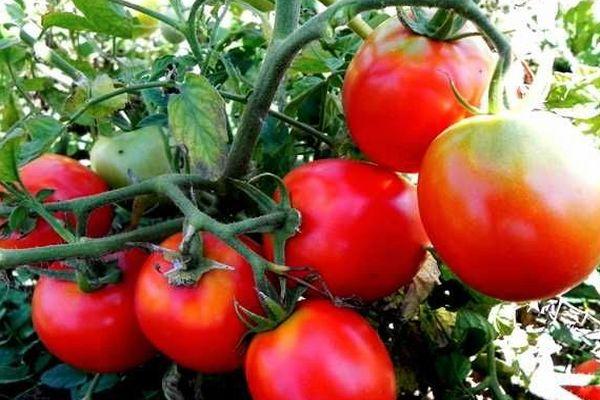
Up to 15 tomatoes can ripen simultaneously on a single cluster. Small bushes bear fruit densely and produce a good harvest. 6-9 kg of tomatoes are harvested per square meter of planting. Harvesting begins in late June and continues until the end of August.


Advantages of the Pickling Miracle tomato:
- Compact fruits, ideal for canning.
- Easy to care for bushes.
- Weather-independent. They yield crops even in dry and cold summers.
- Friendly giving of fruits.
- Tomatoes contain a large amount of useful substances.
- It has a strong immune system and is resistant to diseases, including late blight.
- High yield, regardless of cultivation in a greenhouse or open ground.
No deficiencies were identified.
How are tomatoes grown?
Growing the Zasolochnoye Chudo tomato is straightforward. Both experienced and novice gardeners grow it. Seedlings are planted in soil-filled containers in March. Before planting, the seeds are soaked in potassium permanganate to disinfect them. Aloe vera juice or liquid Fitosporin can be used instead of potassium permanganate.
After three strong leaves emerge, transplant the seedlings into individual pots and place them in a well-lit area. Harden off the plants by periodically opening windows or taking them outside.

Tomato seedlings, which should be 60 days old, are planted in a greenhouse earlier than in the open garden. The key to a good harvest is planting in warm soil. The soil temperature should be no less than 16…18ºC. The soil should be fertilized with peat and manure, and weeds should be removed.
Up to five bushes can be planted per square meter. Low-growing seedlings will not interfere with each other's growth or disrupt air circulation. Experienced gardeners prefer to plant this variety in rows with 20 cm between plants. Gardeners recommend training a single shoot per bush. Ideally, a bush should have 5-6 clusters.
Compact tomatoes don't need to be tied to a support. Side-sonning is performed as needed. Tomatoes are watered daily. Periodically, the soil is loosened to provide more oxygen to the roots. Gardeners should monitor the condition of the beds and remove weeds promptly. Zasolochnoye Chudo tomatoes require feeding. Phosphorus and potassium fertilizers are applied several times during the season.
 To ensure that the bush produces as many fruits as possible, it is recommended to treat the plantings with a boric acid solution. For every 1 liter of water, add 1 g of the substance. It's best to dissolve the powder in hot water first, then dilute it with cold water.
The bushes are unattractive to pests. The leaves contain a poison that insects fear. The only exception is the Colorado potato beetle. Chemicals sold in specialty stores can help protect against it.
Related posts:
 Description and characteristics of the miracle cherry hybrid, planting and care of the variety
 Description of the Miracle of the Land tomato, characteristics, cultivation and yield of the variety
 Description and characteristics of Balcony Miracle tomatoes, growing at home
 Characteristics and description of the Sprut tomato variety, yield and cultivation
 Description of the Raspberry Miracle tomato variety, its characteristics and cultivation
 Description of the heart-shaped tomato Miracle of Walford and its growing characteristics
 Description of the tomato variety Miracle of the Market, features of cultivation and care
 Characteristics of the Siberian Miracle tomato and tips for growing it in your garden