Many gardeners are interested in how to grow the Golden Brush tomato. Varieties that produce abundant harvests and fresh salads every day are popular among gardeners. These characteristics are typical of the Golden Brush tomato, which is known for its beautiful golden color, round shape, and high yield.
This variety was added to the state plant registry relatively recently—in 2015—but has already established itself as an excellent vegetable for growing in gardens, canning, and pickling. Such reviews of the Zolotaya Kist tomato are primarily due to its excellent qualities.
What is the Golden Brush tomato?
Characteristics and description of the variety:
- High yield per 1 m², production is significantly increased in a greenhouse or hotbed.
- With proper care and feeding, you can collect up to 6-7 kg from 1 m².
- The tomato is an early variety, so just 2.5 months after planting the seeds for seedlings, you can get the first harvest of golden fruits.
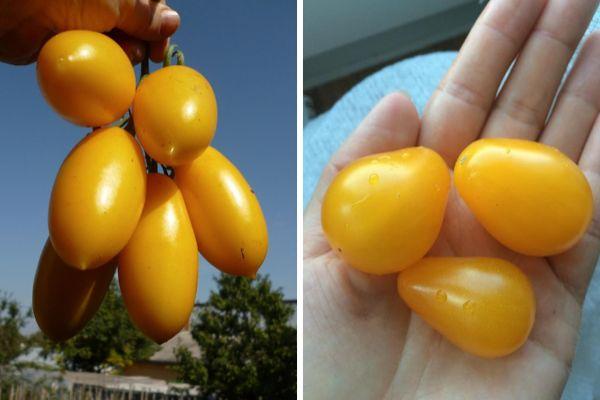
- The tomatoes are pear-shaped.
- The plants are indeterminate and can reach 1.5–1.8 m in height.
Typically, 1.5-meter-tall bushes grow in open areas, while taller plants are typical for greenhouses and hotbeds. Because of their height, tomato plants need to be tied to supports as they grow.
The bushes do not grow very much, so 3 to 4 plants can be planted per 1 meter.
The leaves cover the bush evenly, but do not fill it completely.
The fruits grow in clusters similar to grapes. A single branch can produce about 20 tomatoes.
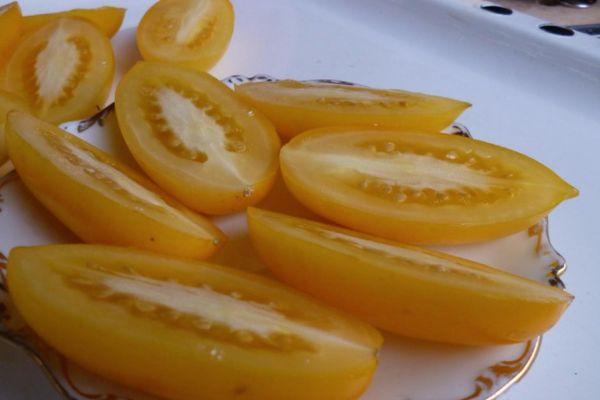
The tomato has a white core and two seed chambers. The weight of one tomato ranges from 20 to 30 g. The flavor is sweet and sugary. The flesh is soft and not juicy.
Tomatoes are used both fresh and canned. The fruits can be used to make salads, purees, sauces, and pastes, as well as various pickles.
This variety is grown commercially for market sale. Harvested fruits can be transported long distances in crates: the tomatoes travel well and have a long shelf life.

How to grow tomatoes?
Gardeners' reviews indicate that Zolotaya Kist tomatoes require proper care, starting from the moment the seeds are planted. This should be done in March or April, depending on the region and location where the tomato plants are grown.

Sow the seeds in small peat pots, which are covered with plastic wrap. The room temperature should always be stable and not fall below 22°C.
As soon as the first true leaves appear, it is necessary to transplant the plants to ensure beautiful tomatoes and a high yield from the bushes throughout the season.
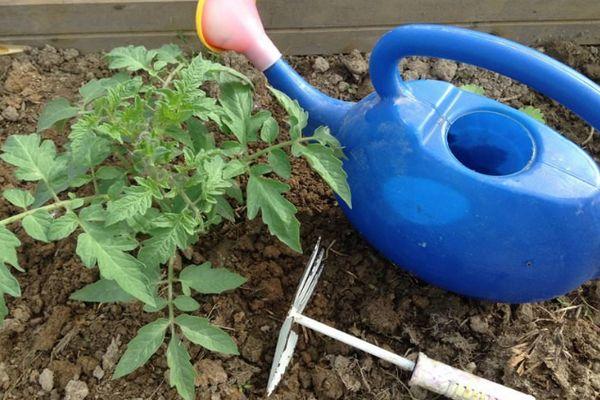
Before planting in the ground, the beds should be fertilized several times with organic and mineral fertilizers. Transplanting seedlings into open beds or greenhouses should only be done when the weather is stable, with nighttime temperatures of 16°C or higher. If frosts are observed in the ground, it's best to postpone transplanting the seedlings into the soil.
During the growing season, the bushes need to be fertilized, watered regularly, and tied up. The beds should be regularly loosened. The plants need to be pinched out, which helps shape the stems and gives the clusters strength and resources for fruit development. The variety is resistant to various diseases and weather changes, but you need to monitor the bushes to promptly remove rot or damaged leaves.
Related posts:
 Description of the best varieties of black tomatoes for open ground and greenhouses
 Description of the orange-fruited tomato Golden Mother-in-Law and the rules for growing the hybrid variety
 Description and characteristics of the best tomato varieties for outdoor cultivation in the Urals
 Delicious recipes for canned tomatoes with honey for the winter, preparation steps
 TOP 17 recipes for pickled sweet tomatoes for the winter
 Description of the Goldfish tomato with decorative fruits and features of agricultural technology
 11 Best Recipes for Preserving Tomato Slices for Winter
 Characteristics and description of the Golden Bullet tomato, tips and reviews about the variety