
The Goldfish tomato has been popular in Russia for over 10 years. Suitable for both greenhouses and open ground, it has fans throughout the country. When growing Goldfish tomatoes, it's important to consider the variety's characteristics.
General characteristics of the variety
The bush is indeterminate, with unlimited growth. In a greenhouse, the tomato can grow up to 2 meters or more per season. In the open ground, its growth should be artificially limited to allow the last ovaries to ripen. The stem tips should be pinched no later than the third ten days of August, but even then, some fruits will have to be harvested at the milky stage.
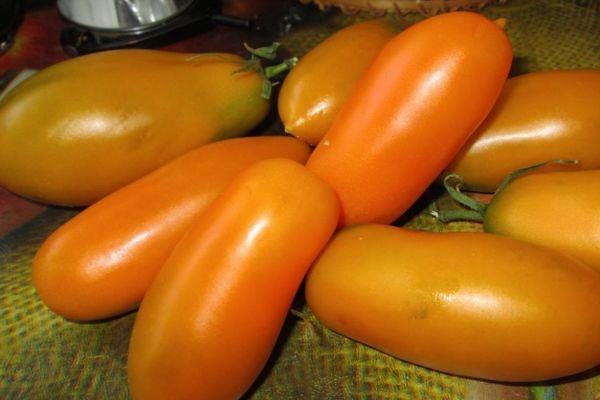
The late ripening period typical of the Zolotaya Rybka variety makes it unsuitable for those looking for early vegetables. However, its extended fruiting period and ability to ripen after harvesting allow gardeners to have fresh vegetables until mid-winter.
The plant's robust stems tend to branch and bear numerous large leaves. To maximize yield, train the bushes into 2-3 stems and remove all side shoots. When growing outdoors, it's also advisable to remove some leaves from the lower portion of the bush to reduce the risk of late blight spreading throughout the plantation during cold weather.
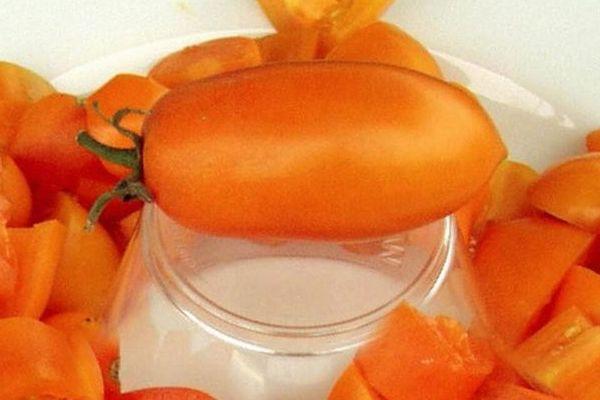
Experienced gardeners' descriptions and characteristics of the variety indicate that under unfavorable conditions, it's rare to harvest a full and abundant crop. Therefore, in Siberia and the Urals, Zolotaya Rybka tomatoes are best grown in greenhouses. Under favorable conditions, the variety can yield approximately 5 kg of marketable produce per season. Protected cultivation not only increases the yield but also the flavor of the elongated berries.
A disadvantage of this variety, which can significantly impact fruit yield, is its susceptibility to blossom-end rot. To prevent this, properly prepare the soil before planting the seedlings.
Description of fruits
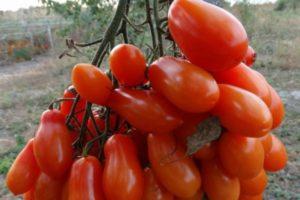
The variety's name derives from the elongated, spindle-shaped tomatoes, reminiscent of aquarium inhabitants. The Goldfish tomato variety stands out in the garden due to the distinctive decorative appearance of its bush, covered in long clusters of uniformly sized fruits. Each berry weighs on average 80-100 g; a cluster can contain 7-8 tomatoes, ripening at approximately the same time.
When harvesting, a housewife who has planted such a tomato in her garden can save time by cutting off the bunches along with the branches.
The fruit skin is strong; the tomatoes are not prone to cracking and do not burst during heat treatment. The color at biological maturity is bright orange, and at technical maturity, it is light green, without a spot near the stem. The Zolotaya Rybka tomato variety is characterized by excellent shelf life and the ability to ripen immediately after picking. These tomatoes easily withstand long-distance transportation and retain their marketable appearance for several days.
The tomato flesh is intensely colored, with a lighter center. The seed chambers are large, with only two per fruit; the seeds are numerous and small. The tomato walls are very thick, juicy, and firm. The flavor is sweet and tart, with a high dry matter content, providing a wonderful classic tomato aroma.
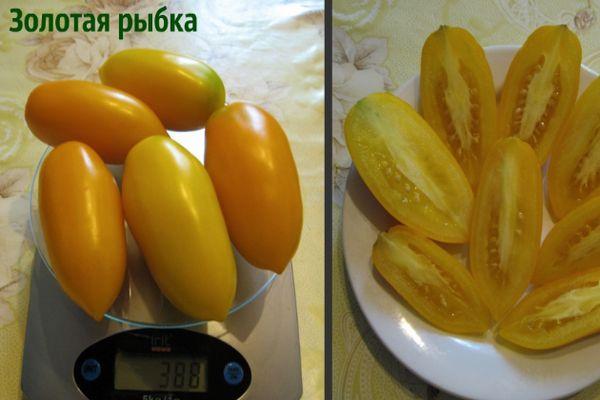
Tomatoes can be used in a wide variety of ways. These delicious fresh fruits look great in salads and sliced, and can be used to garnish sandwiches, canapés, and gourmet appetizers. Orange Goldfish tomatoes are high in carotene and suitable for baby food. They are low in allergens and rich in lycopene and protein.
Surplus fresh produce can be preserved for the winter in a variety of ways. Tomatoes can be salted and pickled whole, sliced and added to winter salads, or processed into juice and sauces. Fruits of this shape and size are ideal for drying.
Take a look Also
Features of agricultural technology
This variety is not a hybrid, so you can save your own seeds for propagation next season. The tomatoes will retain all their parental characteristics; it's best to leave seedlings on the most productive plants. Before sowing, disinfect the seeds in warm water with potassium permanganate. Soak for 30-40 minutes. Afterward, allow the seeds to dry slightly.
The soil is prepared from equal parts garden soil, sand, and humus. If the soil in the garden is too heavy or compact, add 2 tablespoons of ground chalk or dolomite flour for every 10 kg of the mixture prepared for sowing. Before sowing, the substrate should be soaked in a hot solution of potassium permanganate directly in the container.

Once the soil has cooled, spread the seeds on top and cover with a thin layer of sand or dry soil (0.5 cm). Cover the trays with glass and place them in a warm place (+25°C) to germinate. Seedlings will appear in 4-5 days.
Pricking out is done at the 2-3 leaf stage, planting the seedlings 7-10 cm apart. Water the seedlings regularly, preventing the soil from drying out.
Reviews from those who have planted the Goldfish recommend preparing the soil in the fall for tomato growing. When digging, add well-rotted compost and amend the soil with phosphorus-potassium mixtures for tomatoes (Signor Tomato, Kristalon Tomato, and others). Chalk or dolomite flour should also be added at a rate of 1.5 kg per square meter. This will prevent blossom-end rot.
Planting takes place in mid- to late May. Four to five tomato plants are planted per unit area, tied to a support. As the tomatoes grow, remove side shoots, and after the first cluster appears, trim the foliage below it. Leave one side shoot above each cluster to form two to three tomato plants.
In well-fertilized soil, tomatoes need to be fed only after 2-3 clusters have formed. It is not recommended to add organic matter or mineral mixtures with nitrogen, as this will cause excessive growth of green mass. Only phosphorus-potassium fertilizers are used for feeding.
Related posts:
 The best eggplant varieties for growing in a polycarbonate greenhouse: planting and care
 Description and characteristics of the best tomato varieties for outdoor cultivation in the Urals
 Description of the orange-fruited tomato Golden Mother-in-Law and the rules for growing the hybrid variety
 80 Best Eggplant Varieties for Different Regions with Descriptions and Characteristics
 Descriptions of the 20 best cherry varieties for the Moscow region, their planting and care
 Description of the 90 best varieties of beans for open ground with names
 The best grape varieties for growing in the Urals, planting and care rules in summer
 Characteristics of the tall tomato Golden Canary and cultivation techniques