
The well-known tomato variety "Unique Kulchitsky" was developed by a breeder back in 1980. It was initially bred for southern climates, with an emphasis on heat and drought tolerance. However, the early variety also proved successful in cooler climates. Over the years, these tomatoes have found fans across the country.
General characteristics of the plant
The bush is indeterminate and tall, reaching 1.8 m in one season. However, in open ground, it is recommended to pinch the stem in mid-August to allow the already formed ovaries to ripen. Fruiting is prolonged, although the first ripe tomatoes can be harvested as early as 3.5 months after sowing the seeds for seedlings. The variety description notes that the bush blooms continuously and produces numerous clusters of fruit throughout the summer.
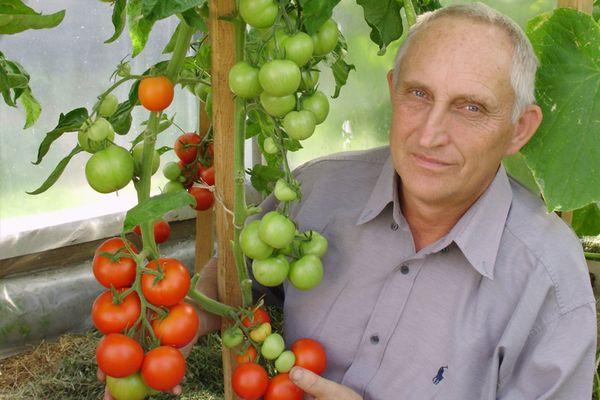
The plant's flowers are completely unaffected by high temperatures and can be pollinated well both in a greenhouse and in the open ground. Even with the sudden change in weather in midsummer, when hot days are followed by cold rains, the Unique Kulchitsky continues to bear fruit.
Reviews from gardeners who have grown this variety for several years in a row indicate that its yield remains constant even in years unfavorable for tomatoes.
The average yield reaches 5-6 kg per bush. To increase yield, it is recommended to train the plants into 2-3 stems and tie them to a trellis. Four bushes can be placed per square meter.
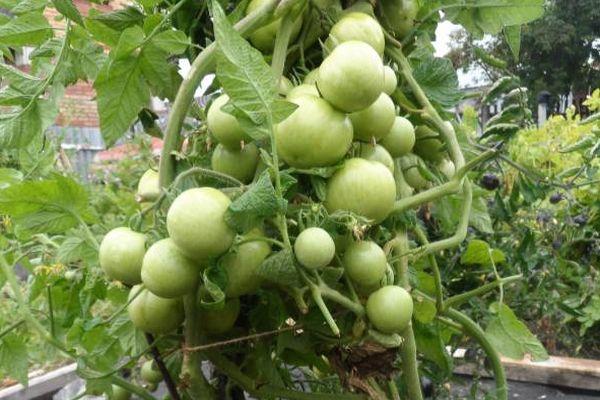
The variety is resistant to major tomato diseases and is not affected by tobacco mosaic virus. During widespread late blight, it is recommended to remove the lower one-third of the leaves to ensure better ventilation of the plantation.
Features of the fruit variety
The ovaries are collected in simple, unbranched clusters of 6-8. The fruits are uniform in size and weight and begin to ripen almost simultaneously, allowing for rapid harvesting during the peak ripening period, by cutting the clusters whole. The tomatoes are spherical in shape, with an average berry weighing 70-90 g.

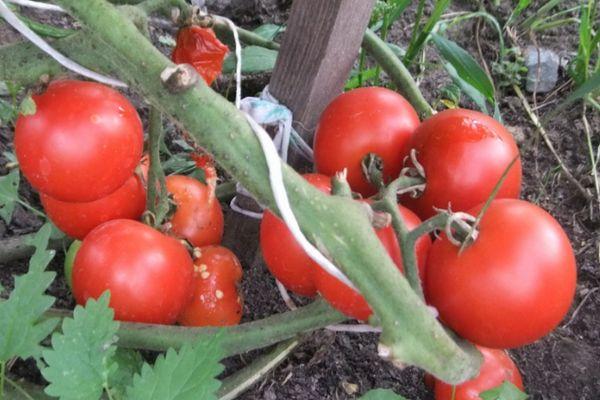
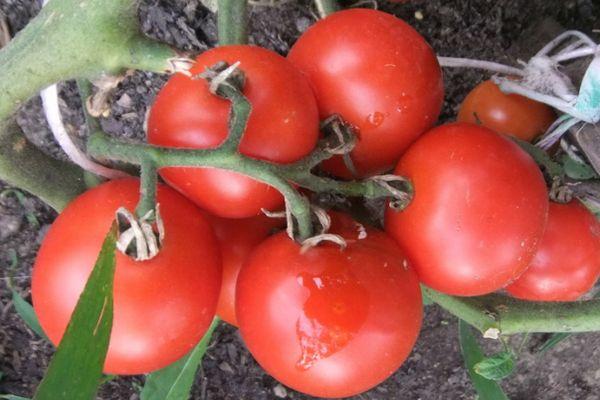
The tomatoes are covered with a thick skin that doesn't crack when ripening or when boiled during canning. The skin of a ripe Unique Kulchitsky tomato is bright red, and when ripe, the berry is light green. These tomatoes retain their marketable appearance well during transportation and storage when ripe.
The flesh is red, with no light spots in the center. There are 2-3 seed chambers, and the fruit walls are thick (up to 1 cm). The flesh is firm but very juicy. The flavor is average. The tomato has a classic, sweet and sour taste with a distinctive aroma.
The primary use of this early variety is fresh consumption. These tomatoes make a wonderful addition to summer salads and are perfect for creating individual appetizers for buffets. Sliced, they're perfect for sandwiches and hamburgers. The pulp can be used to make hot and cold soups like gazpacho or tomato soup. Chopped tomatoes are perfect for any sauces and dressings that call for this ingredient.
When the variety begins to bear fruit in large quantities, the fruits are canned and processed. Calibrated tomatoes are ideal for whole-fruit canning, cold and hot pickling, marinating, and adding to vegetable platters. Bright tomatoes also produce excellent juice with a classic color and flavor. When boiled down, the pulp can be used to make a sauce for dipping appetizers and lecho.
Agricultural technology of the variety
Sow seeds for seedlings approximately 60 days before planting in a permanent location. You can buy seeds only once, and then leave the seedlings on the best bushes. These tomatoes should be allowed to fully ripen on the vine.
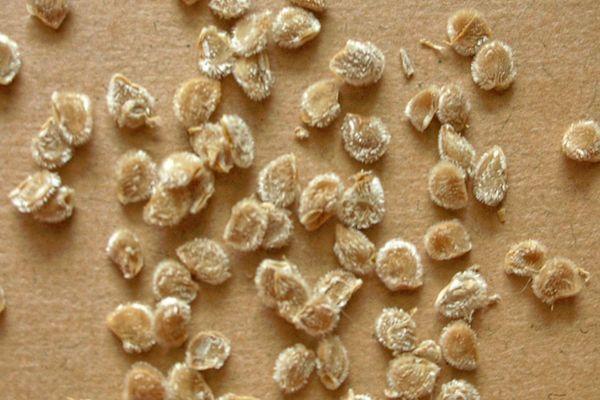
Before sowing, it's recommended to treat home-prepared seeds with a solution of potassium permanganate or Fitosporin. To disinfect, soak the seeds in these solutions for 30-40 minutes, then dry them slightly for easier sowing.
The soil is prepared from equal parts garden soil, sand, and humus. A small amount of chalk or dolomite flour (1 tablespoon per 5 kg) is added to the loose mixture. The substrate should be poured into a seeding container and thoroughly soaked in a hot solution of potassium permanganate.
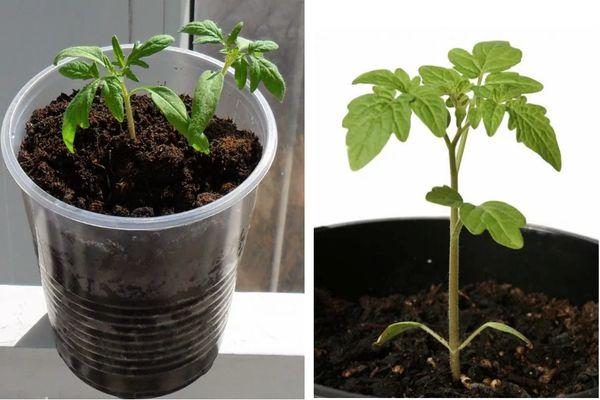
Spread the prepared seeds over the surface of the cooled soil and cover them with dry sand. Cover the seedbed with a 0.5 cm layer. Cover the container with plastic wrap to retain moisture and prevent a crust from forming on the surface. Make 2-3 small holes for air circulation. Place the seeds in a warm location. At a temperature of 25°C, seedlings will appear in 4-5 days.
When 2-3 leaves appear, transplant the seedlings into individual pots or a common container, spacing them 10 cm apart. After this, simply water the seedlings regularly and provide them with sufficient light.
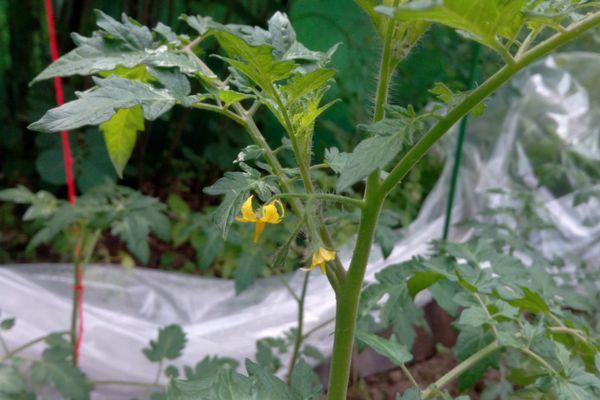 Plant in a bed according to the 40x70cm pattern. It's convenient to place the elongated seedlings in 20-cm-deep grooves. Leave 4-5 upper leaves above the soil. Additional roots will quickly grow on the stems, providing the bushes with enhanced nutrition.
After the first flower cluster appears, it's recommended to water the plants with a wood ash solution (500 g per 10 liters of water). Repeat this feeding after 2-3 weeks. Instead of ash, you can use a complex fertilizer containing potassium and phosphorus (Kemira Lux, Signor Tomato, etc.).
Related posts:
 The best eggplant varieties for growing in a polycarbonate greenhouse: planting and care
 80 Best Eggplant Varieties for Different Regions with Descriptions and Characteristics
 Descriptions of the 20 best cherry varieties for the Moscow region, their planting and care
 The best grape varieties for growing in the Urals, planting and care rules in summer
 Description and characteristics of the best seeds of pea varieties and types
 Methods for planting and propagating cherries at home
 Is it possible to soak treated cucumber seeds before planting and how to do it correctly?
 Description of the Velika grape variety, cultivation and care tips