
The Chibis tomato variety is receiving increasingly positive reviews from gardeners who grow it. It's a mid-early variety: the harvest can be completed approximately four months after the first shoots emerge.
The Chibis tomato was developed by Russian breeders, who gave it a sweet flavor with a hint of tartness. This variety is sometimes confused with the Polish Kibitz, but they are completely different. If you've decided to plant Chibis tomatoes, the variety description and growing methods will help you get an excellent harvest.
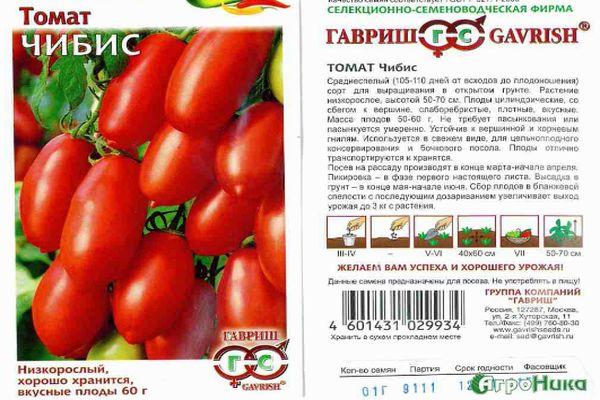
What is the Chibis tomato?
Characteristics and description of the variety:
- The appearance of the Chibis variety is unusual: the fruits are oval, but somewhat elongated in shape (popularly, such fruits are called “fingers”);
- the color of the tomato is deep red;
- the pulp of the vegetable is very dense and has a high meatiness;
- The tomato has a smooth, glossy skin that is strong enough to resist possible cracking of the fruit;
- the weight of 1 ripe tomato can reach 100 g;
- the fruits ripen at the same time and are located close to each other;
- up to 10 fruits ripen on 1 bunch;
- The variety produces an excellent harvest, and reviews from gardeners indicate that good results can be achieved without much effort;
- The bush is limited in growth and grows up to a maximum of 80 cm; it has small leaves of a rich green color;
- The plant has a thick stem that can support the fruits that ripen on it, and a strong stalk.
How are tomatoes grown?
This tomato doesn't require any special care. Basic tomato-growing skills are sufficient. However, to ensure a good yield, you'll still need to follow a few basic care guidelines. Anyone who has planted and grown this variety will confirm that it thrives in virtually any climate. The exception is northern regions.

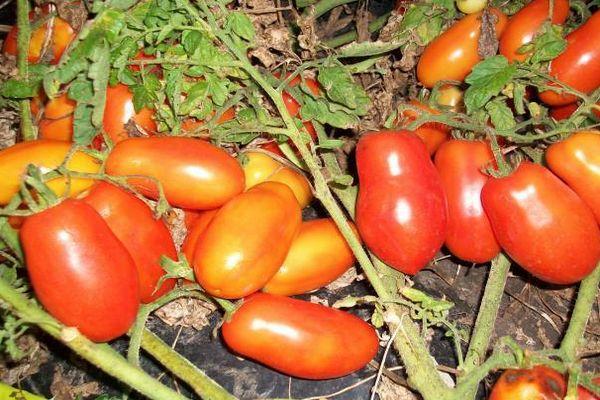
Tomatoes can be grown in any soil, as long as it receives regular watering, loosening, and weeding. It's important to water with warm, settled water, and it's recommended to water the plant at dusk. Furthermore, to achieve the best results, experts recommend removing the lower leaves from the plant initially.
The bushes don't require staking or side-sonning. It's worth noting that if you do decide to side-son them, you can space the bushes closer together—40 cm apart. If you don't plan to remove side-sons, maintain a distance of 60 cm between the bushes.
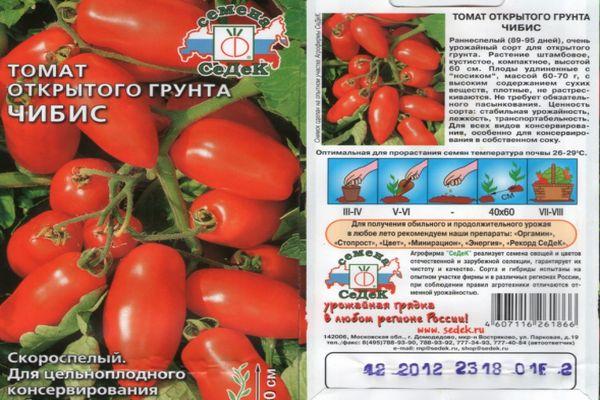
To maximize the harvest, it's recommended to apply mineral fertilizer to the soil. This should be done a couple of weeks after planting the tomatoes in their permanent location. Other types of fertilizer can be used, but they will yield less favorable results.
To protect your plants from late blight, it's recommended to add a weak solution of potassium permanganate to your watering every month. It's recommended to harvest fruit from the bushes before they're fully ripe, allowing time for subsequent fruit to set. Ripening occurs best indoors, in a warm environment.
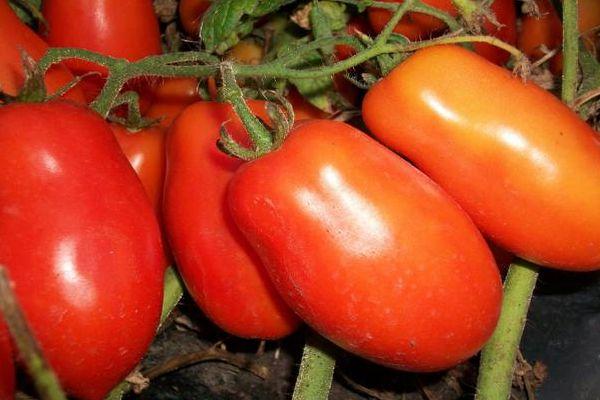
The Chibis tomato variety is characterized by a high yield. One plant can yield up to 3 kg of ripe tomatoes, which is quite impressive considering the plant's low maintenance and small size.
Another positive factor worth noting is the excellent taste and aroma. This is due to the fact that the tomato can be grown not only in greenhouses but also outdoors. Temperature fluctuations also play a positive role.
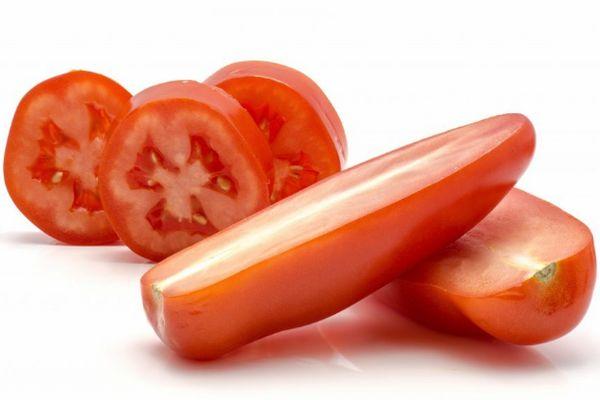
The product is well-suited for long-distance transportation. Thanks to its dense, fairly thick skin and the high density of the fruit, the tomatoes are not prone to deformation. Chibis tomatoes can be stored for a long time in a cool, dark place.
It's also worth noting the versatility of tomatoes. They can be eaten straight from the bush, or preserved for the winter. Both are equally delicious: these "fingers" are excellent in salads with other fresh vegetables, in canned snacks, and on their own—with salt and bread.
Related posts:
 Description of the best varieties of black tomatoes for open ground and greenhouses
 A review of the best tomato seed varieties for open ground in the Rostov region
 Description of blight-resistant tomato varieties for open ground and greenhouses
 Description of the best tomato varieties for pickling and canning
 Characteristics and description of the Sprut tomato variety, yield and cultivation
 The best grape varieties for growing in the Urals, planting and care rules in summer
 Description and characteristics of the best indeterminate tomato varieties for greenhouses
 Description and characteristics of non-stepsoning tomato varieties for open ground and greenhouses