
The Zero tomato is an early-ripening variety, which has received extremely positive reviews from gardeners. Highly praised for its taste and yield, this hybrid variety has made it popular among gardeners and homesteaders. Early-ripening tomato varieties are very popular among consumers, so they are grown not only outdoors but also in greenhouses. This allows for the first harvest to be harvested as early as early June, which is used to make fresh salads.
What is a Zero tomato?
Characteristics and description of the variety:
- A determinate plant species, characterized by short bushes. The maximum stem height is 60-70 cm.
- During the ovary process, simple inflorescences are formed, from which small, tasty tomatoes are later obtained.
- Tomatoes ripen within 100-110 days.
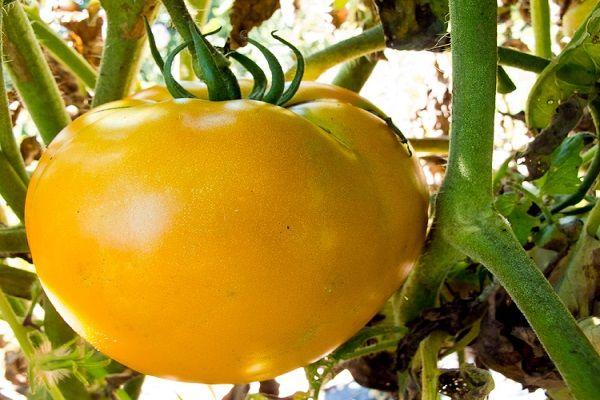
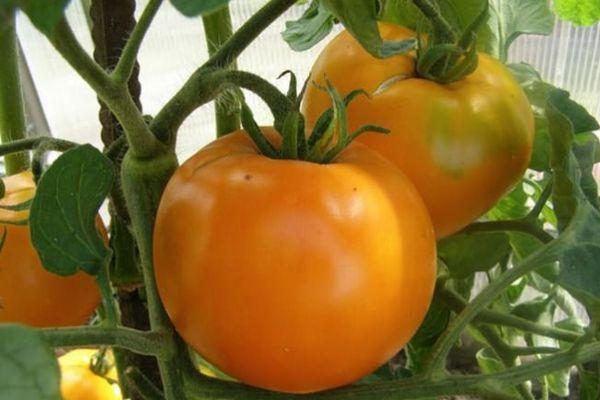
- The tomatoes are round in shape, yellow in color, and weigh between 120 and 160 g, but with proper care, the weight of each fruit increases to 230-260 g.
- The tomato core is divided into six chambers, sometimes containing eight or nine. Inside these chambers are small seeds.
- Zero tomatoes have low density.
- Tomato yields are average but stable. The harvest is unaffected by temperature fluctuations and climate changes. Therefore, gardeners, according to forum reviews, get about 4 kg of tomatoes per square meter.
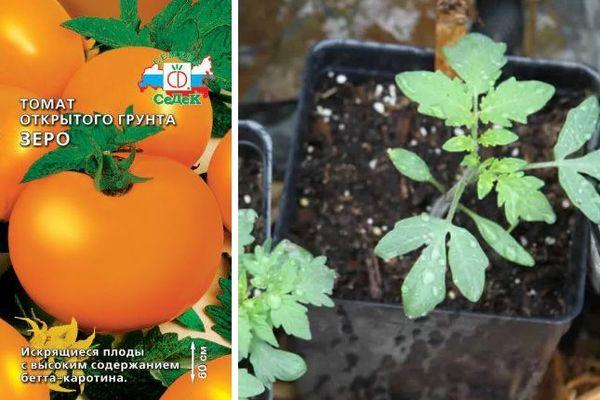
The variety's advantages include the excellent shelf life of the harvested crop and its ability to be transported over long distances. Therefore, this tomato is often grown commercially.
Many gardeners save the fruit for personal consumption. The harvested tomatoes are used to make fresh salads, soups, pastes, ketchups, purees, preserves, and pickles. Nutritionists recommend using tomatoes in dietary salads, which is especially useful in the summer.

How to Grow Tomatoes
Breeders have created a variety that is resistant to temperature fluctuations and weather changes, so tomatoes can be grown in greenhouses, hotbeds, and open beds. The time for planting seeds in pots is determined based on the region's climate. On average, the plants should be transplanted to their permanent location 60 days after sowing the seeds for seedlings.
Take a look Also
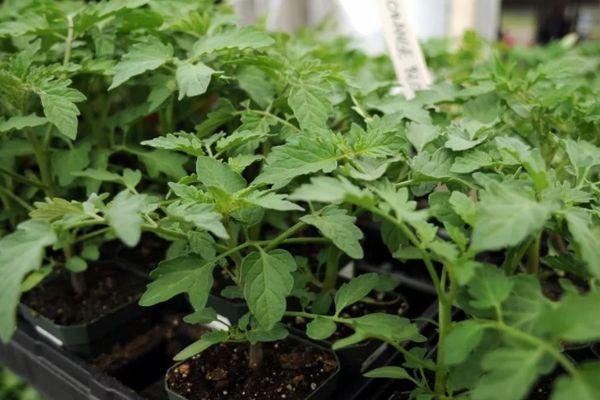
The seeds are planted 2-3 cm deep in the soil, watered, and covered with plastic wrap. Maintain a constant room temperature to encourage germination.
After the second true leaf forms, the seedlings are pricked out. It's a good idea to prepare separate boxes for each plant in advance, which will help the plants develop a strong root system and sturdy stems. These are the keys to a high-quality, abundant harvest.
Seedlings need to be fed to provide additional strength for development. After two months, the seedlings are transplanted into the soil, which should first be fertilized, dug over, and amended with organic or mineral substances.
You can plant 6 to 7 tomato plants per 1 m² plot. No more than this is recommended, as it will deprive the plants of nutrients needed for fruit production. As each plant grows, tie it to low stakes or trellises. Gardeners advise forming 2 or 3 stems on a bush, which results in increased yield.
Plants must be regularly treated with special solutions to prevent the spread of infection. The first preventative measure is taken when the seeds are planted. They are disinfected with a weak solution of potassium permanganate.
Before flowering, the bushes are treated several times with chemical mixtures, and during the growing season, organic fertilizers and pest control products are used. High yields depend on proper seed sowing, seedling cultivation, and bush care.
Related posts:
 The best grape varieties for growing in the Urals, planting and care rules in summer
 Description and characteristics of the best seeds of pea varieties and types
 Descriptions of the 20 best cherry varieties for the Moscow region, their planting and care
 The ripening time of grape vines by variety, how to speed up the process, and what to treat the plant with
 Description of the best potato varieties of domestic and foreign selection
 80 Best Eggplant Varieties for Different Regions with Descriptions and Characteristics
 Description of the Velika grape variety, cultivation and care tips
 Description of varieties of sowing peas and cultivation, to which family they belong
