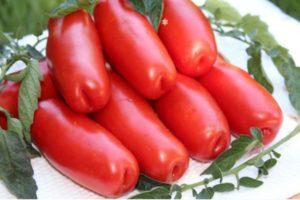
The Florida f1 tomato is a first-generation hybrid. This variety is characterized by high productivity and excellent flavor. The tomatoes retain their marketable appearance for a long time and withstand transportation well.
Advantages of a hybrid
The mid-season Florida 47 f1 tomato is designed for open-field cultivation and is characterized by high productivity. Vegetable growers' reviews suggest that in cold climates, this hybrid is best grown in a greenhouse.
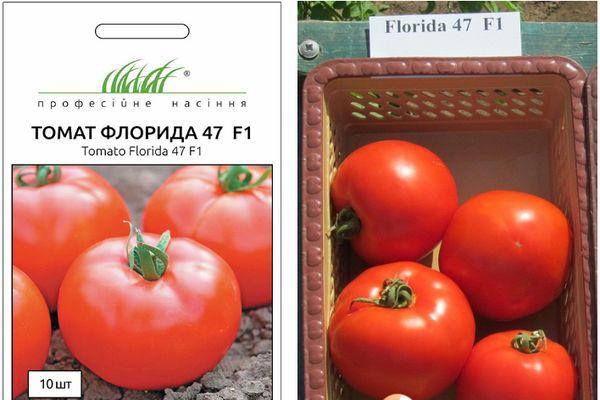
Fruit ripening occurs 75 days after transplanting. From germination, the fruit ripens 111–115 days later.
This determinate hybrid forms a relatively tall bush with a powerful root system extending 1.5–2.5 meters underground. Plants can be grown spread out or tied to supports. Bushes reach 50–60 cm in height, and up to 1 m when grown indoors.
The plant's broad leaves protect the fruit from sunburn. The plant requires no pruning. Inflorescences form at intervals of one leaf or in a row. Each cluster produces 3-5 fruits.
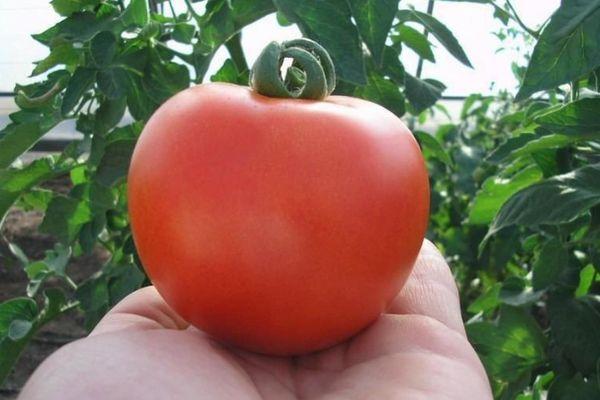
At the technical ripeness stage, the green spot near the stem is absent. Ripe tomatoes acquire a bright red color. They weigh 280-300 g. Florida f1 tomatoes are flat and round, with dense skin and flesh, and a glossy surface.
The fruit's description is based on its excellent taste. In cooking, the fruits are used fresh, as ingredients in various dishes, and for processing. When canned, tomatoes retain their shape.
The harvest can be stored for 2-3 months and can be transported long distances. Tomatoes are resistant to the main diseases of nightshade crops (fusarium, gray spot). For preventative purposes, they are treated with special anti-late blight preparations.
Agricultural technology of cultivation
The Florida 47 tomato is ideal for summer and fall cultivation, so sowing seeds for seedlings is done from March to May. To ensure an early harvest, sow the seeds in early March.
For sprouting, an optimal temperature of 22 to 24°C is required. Proper seedling development requires a consistent lighting regime. It is recommended to extend daylight hours to 16 hours using a fluorescent lamp.
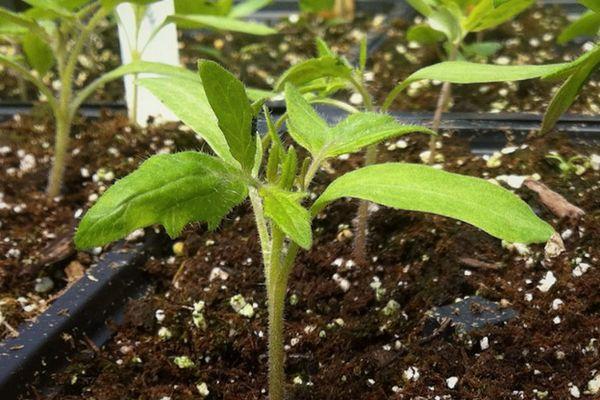
After the first true leaf forms, transplant the plants into individual pots. When repotting, it's recommended to carefully trim the roots by a third to stimulate root development. 7-12 days before planting in a permanent location, plants are hardened off in order to better adapt to new conditions.
Seedlings are transplanted into open ground at 35-40 days of age, when they have formed 9-10 leaves. Planting takes place after the end of spring frosts.
The hybrid's characteristics allow it to be grown in dense but aerated soil. Cultivation is also tolerated in acidic soils.
When choosing a planting site, keep in mind that the hybrid requires full sunlight and moderate humidity. The best predecessors for tomatoes are early cabbage, cucumbers, carrots, and onions.

In their permanent location, plants are spaced 60 cm apart in two rows. Care includes regularly loosening the soil to ensure air access to the root system.
Watering can be done using the drip method, which provides mulching of the soil using black non-woven fiber.
Using straw and leaves as mulch further enriches the soil with organic matter, essential for tomato development. The crop requires periodic fertilization with mineral fertilizers.
Related posts:
 The best eggplant varieties for growing in a polycarbonate greenhouse: planting and care
 Description of the best varieties of black tomatoes for open ground and greenhouses
 What varieties of tomatoes are best to plant in a polycarbonate greenhouse?
 Description of the best tomato varieties for open ground in the central zone
 The best tomato varieties for growing in the Leningrad region for greenhouses and open ground
 Methods for planting and propagating cherries at home
 Making finger-licking good eggplant caviar with peppers and tomatoes
 How to choose the best tomato varieties for growing in Belarus
Take a look Also