
The Richie tomato was developed in 2000 by Dutch breeders. The seed producer is Bejo Zaden. It immediately gained a following among both gardeners and farmers.
Description of the Richie tomato
Before choosing Richie f1 tomato seeds, it's important to read the variety description. This tomato variety's uniqueness lies in its ability to grow in any conditions. They thrive both in open ground and in pots on balconies. While this variety isn't exactly a record-breaker in terms of yield, it will delight its growers with its quick ripening and excellent taste. You can enjoy the fruits within three months of planting.

The Richie f1 tomato is described as a low-growing plant, reaching a height of 50-70 cm. It is a standard, determinate variety. It is recommended to grow it under plastic cover or in a greenhouse, although it also grows well outdoors.
A big plus is that it is never susceptible to fungal diseases. Tomatoes have only one enemy: the Colorado potato beetle.
Photos of the Richie tomato can be found on agricultural websites. A single bush can yield up to 1.5 kg of tomatoes. Seven to eight bushes are usually planted densely per square meter. In open ground, the yield may be even lower. Compared to other varieties, this is a very low yield.

The plant has the following characteristics:
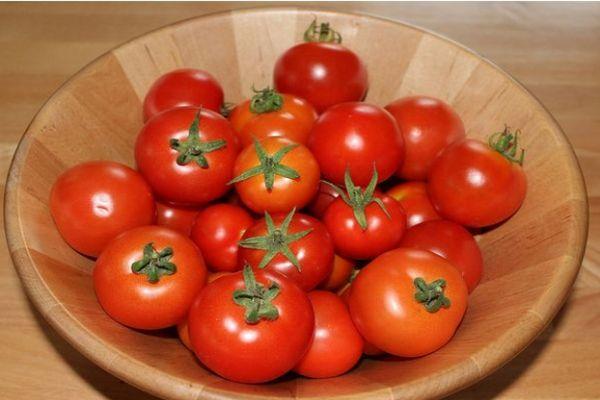
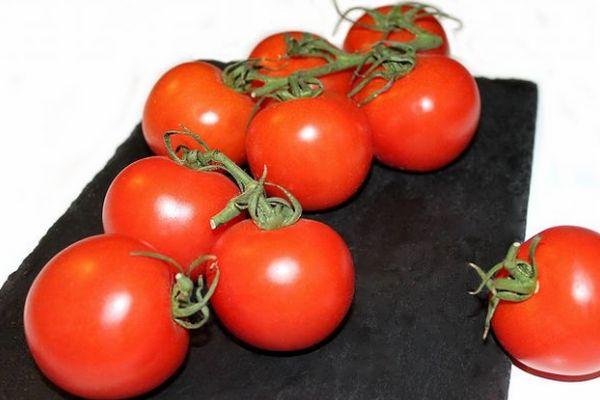
- Ripe tomatoes are round in shape and red in color.
- The weight of one fruit is 90-120 g.
- There are 2-3 seed chambers in a tomato, and the dry matter content is 5%.
- The harvested crop can be stored for a very long time. Tomatoes do not spoil during long-distance transportation.
When growing these tomatoes, it's important to follow the growing tips. It's also important to know how to properly support them. Even though the bushes are low-growing, it's best to tie them up and support the branches. This is a simple but crucial procedure. Staking is done after pinching out the side shoots.


Stems and branches are secured to the support using soft ropes, strips of fabric, or plastic thread. As the plant grows and fruit sets, the process is repeated. When tying, not only the stems but also the branches with fruit are secured. Knots are tied loosely to avoid damaging the plant. The tying location can be changed if necessary.
What are the benefits of tying:
- Tomatoes don't tolerate water dripping onto their leaves and stems, as this causes them to rot and turn brown. Therefore, water the plant at the roots, being careful not to touch the leaves and stems. Staking helps prevent this.
- When the fruit clusters appear, the branches will not break from the weight.
- In a high position, the plant receives more heat and light, which has a positive effect on the plant’s taste.
- When tied up, the plant is easier to care for, fertilize, and remove side shoots.
Caring for the Richie tomato
New shoots (side shoots) periodically appear on the stems, which also require nutrition. These are removed to ensure the plant receives adequate nutrition and produces a larger harvest. To distinguish a leaf from a shoot, look closely at the stem. Side shoots usually emerge from the axil between the leaf and the stem. There is no specific time for side shoot removal. As soon as the first shoots appear, they are removed as they grow. To prevent disease, do not use tools when side shoot removal. Excess shoots are carefully pinched off with two fingers.
Although the variety is resistant to fungal and other diseases, preventative measures are recommended. Maintaining a regular watering schedule, loosening and fertilizing the soil regularly, and other simple measures will help prevent root rot. No chemicals are used in this process.
Although it is written that the Richie variety is low-yielding, reviews from people say the opposite: gardeners believe that the variety produces a lot of fruit, is resilient during transportation, and is excellent for whole-fruit canning.

Related posts:
 The best eggplant varieties for growing in a polycarbonate greenhouse: planting and care
 Description of the best varieties of black tomatoes for open ground and greenhouses
 Description of the Bear Paw tomato variety, cultivation and care features
 Characteristics and description of the Sprut tomato variety, yield and cultivation
 Description of the Miracle of the Land tomato, characteristics, cultivation and yield of the variety
 Description and characteristics of Anyuta tomatoes, yield and cultivation
 When and how to properly transplant tomato seedlings, the best days in 2025
 Description of the Spasskaya Tower tomato variety, cultivation and care features