
The Sensei tomato leaves a good impression based on its characteristics and description. This is a wonderful tomato variety, distinguished by a number of undeniable positive qualities, including ease of care, high yields, large fruits, and rapid ripening. Each year, it continues to garner positive reviews from gardeners.
General characteristics
This is a determinate tomato variety of standard type (it has a low bush and a compact root system).
Although this variety is considered short, it can reach a height of up to 1.5 m in a greenhouse. In open ground, the bushes grow smaller: about 110 cm. This variety produces a good yield: approximately 6-8 kg can be harvested from 1 m² of planting.
This variety has many positive qualities: in addition to high yield and compactness, it is also resistant to the main types of nightshade diseases.
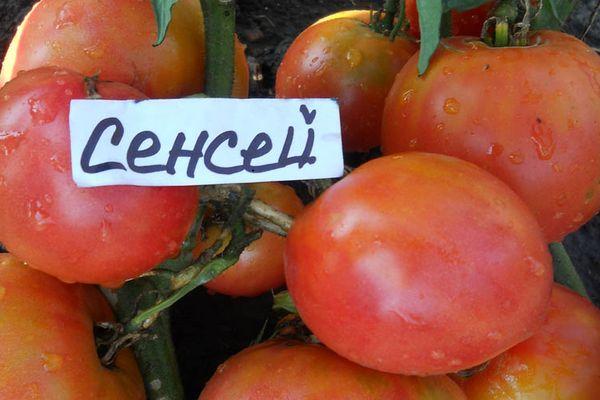
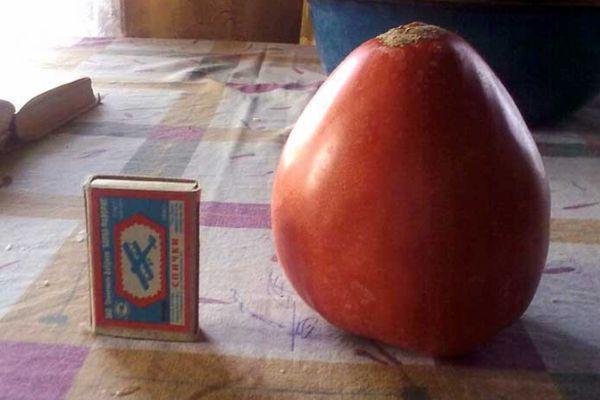
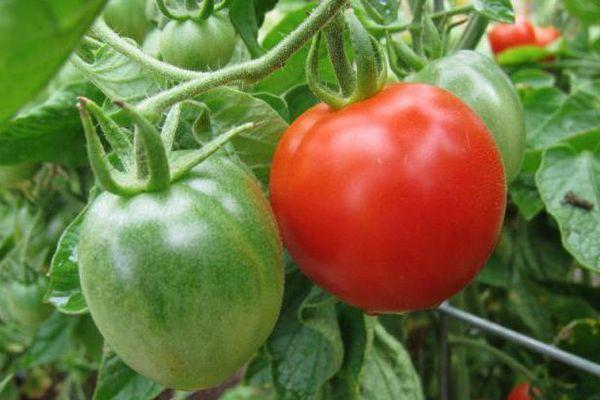
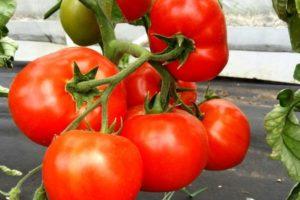
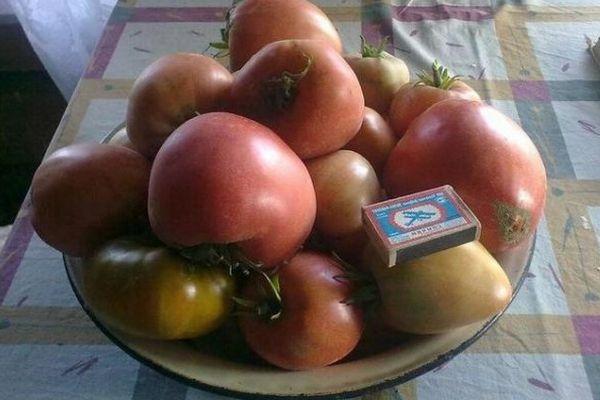
The fruits ripen in clusters of 3-5 tomatoes each. The tomatoes themselves are large, fleshy, round-heart-shaped, and weigh up to 400 g. They are crimson in color, have few seeds, and are very sweet in taste. Therefore, those who have grown Sensei tomatoes recommend eating them in salads and as fresh juice, although they also make excellent preserves.
The fruits are easy to store and transport, which is certainly another advantage of this variety.
Growing
Because Sensei (developed by Siberian breeders) is resistant to various weather conditions, it can be grown equally successfully in plastic shelters and greenhouses, as well as in the open ground. However, in northern regions, it is best grown under cover. In the south, it will thrive in open beds.
Despite tomatoes' resistance to disease, there's a key step to maintaining their health: bushes need to be trained and the quantity and quality of fertilizers carefully monitored. The need to strictly adhere to a fertilizing schedule is perhaps the only weakness of this tomato variety.
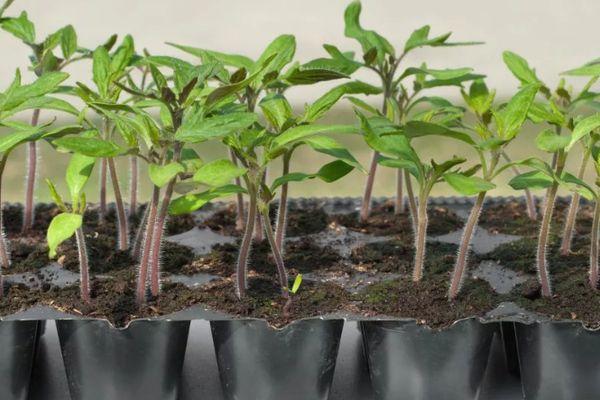
As for the actual cultivation, the seeds are planted in early to mid-March, after soaking them in a growth stimulant for 10-12 hours (freshly squeezed aloe juice can be used as a substitute). To loosen the soil where the seeds will be planted, add sea sand, and for nutrition, add superphosphate, potassium fertilizer, or wood ash.
The seedlings should be transplanted to their permanent growing location when 2-3 leaves have unfurled and the soil in the bed has completely warmed up.
The location for growing the bush should be chosen in a place where potatoes, zucchini, eggplant, carrots, onions, or cabbage have not previously grown, since all these crops belong to the same family as tomatoes - Solanaceae, and therefore they are susceptible to the same diseases.
The soil in the bed must be thoroughly loosened, small holes must be made for future bushes and watered with mineral phosphorus fertilizer.
The seedlings are distributed in the garden bed at a rate of 3-4 bushes per 1 m² of land.
As soon as you transplant, you need to feed the seedlings with liquid complex fertilizers.
Water with a spray bottle or a watering can with a shower attachment to avoid damaging the still-tender leaves. Water tomatoes sparingly and only with warm, settled water.
Subsequently, bushes with one or two stems are formed; side shoots are removed. Heavy branches are tied to reliable supports. These tomatoes are well suited for harvesting while still green, and ripen well in a dark room. Ripe red tomatoes will keep for 2-3 weeks from harvest.
Prevention of tomato diseases
The Sensei tomato variety is resistant to many diseases. However, preventative measures are still necessary. These include regular weeding, watering, spraying with antifungal biological products, and pest inspection (insect pests greatly weaken the plants).
Insects are controlled with strong insecticides. Slugs will have to be collected by hand, after which the plantings will be sprayed with an ammonia solution.
In the fall, you can collect seeds from overripe fruits and save them until the new season.
Gardeners recommend: reviews
Gardeners who planted Sensei tomatoes once as a trial often go on to grow them regularly. This variety is so beloved by gardeners due to its many positive qualities. Moreover, most people note that it is easy to grow and has virtually no drawbacks.
Valentina: "I planted Sensei tomatoes last year as a test (I liked the variety description). The bushes yielded a good harvest: enough for both fresh salads and pickling. I'll be planting this variety again this year."
Georgy: “I haven’t changed my Sensei for several years now, as I’m happy with everything about this variety: it’s easy to care for and produces a lot of fruit.”
Related posts:
 Description of the best varieties of black tomatoes for open ground and greenhouses
 What varieties of tomatoes are best to plant in a polycarbonate greenhouse?
 The best grape varieties for growing in the Urals, planting and care rules in summer
 80 Best Eggplant Varieties for Different Regions with Descriptions and Characteristics
 Description of the 90 best varieties of beans for open ground with names
 Descriptions of the 20 best cherry varieties for the Moscow region, their planting and care
 Description of 30 varieties and types of Muscat grapes, planting, cultivation and care
 The best tomato varieties for growing in the Leningrad region for greenhouses and open ground
In any case, when growing this variety, you need to use growth bioactivators. I use BioGrow, it doesn't cost much and works great, so I recommend it.