
Olives are a delicious snack with a distinctive flavor. This wonderful product is also very healthy, containing a huge number of substances beneficial to the human body.Olives contain minerals, amino acids and antioxidants, as well as proteins and pectin.Regular consumption of olives and olive oil significantly reduces bad cholesterol levels. They are easily digested and have a positive effect on gastrointestinal health. Stores offer a huge variety of this delicacy. How can you navigate this selection and choose the best olives?
Is there a difference between olives and black olives?
It is commonly believed that this plant grows primarily in Greece, but this is incorrect. Olive trees are also successfully grown in the following countries:
- Italy;
- Morocco;
- Chile;
- Peru;
- Spain;
- Israel;
- France.
Olives are the fruit of the evergreen olive tree, a member of the genus Olea europaea. It bears fruit twice a year. The ripened fruit is called an olive.
The word "masliny" is used exclusively in Russian; in Europe they are called "black olives".
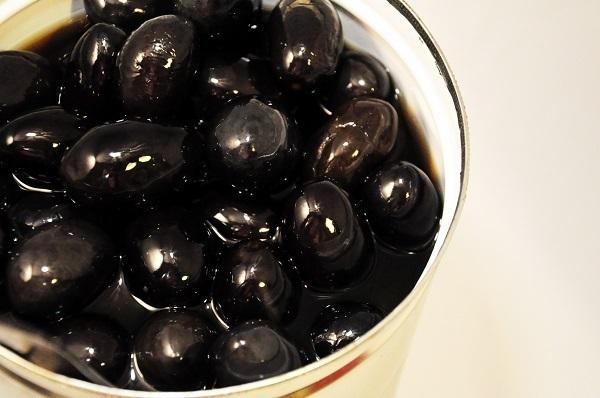
Ripe olives contain a large amount of fat, so they are primarily used for olive oil production. The olives you're used to seeing in stores are those that have been marinated using a special method. They get their intense black color from being treated with compressed oxygen.
The best varieties of Greek olives
Greek olives are extremely popular worldwide. Among the many varieties, connoisseurs identify the best, which will be discussed below.
Halkidiki
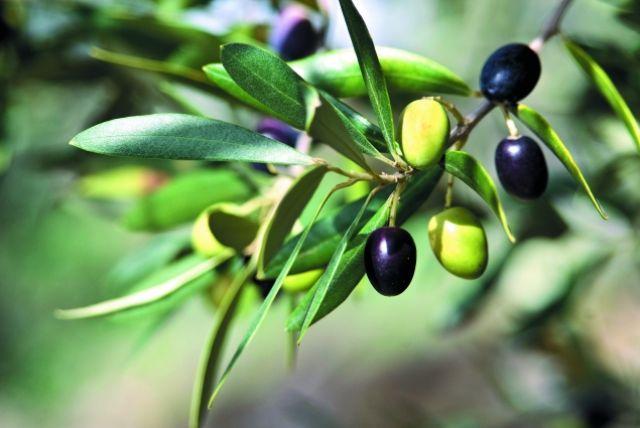
This variety is grown exclusively in the region of Greece that shares its name, hence the name. It is sometimes called the "donkey olive" due to its large, oval-shaped fruit. Each olive weighs on average 6-10 grams. As the olives ripen, they change color from deep green to dark purple. However, they are never black.
Most often, the ripe berries of these trees are processed into oil.
Blonde Halkidiki
Olives of the same Halkidiki variety, harvested from olive trees in early November. The fruit is picked when it reaches a golden hue. The harvested olives are marinated in a mixture of salt brine and wine vinegar. This mixture removes the bitter taste.

Trubes Halkidiki
The fruits of the Halkidiki olive trees are picked in early December and carefully dried in the sun. They are then salted and placed in a container with olive oil.
Kalamata
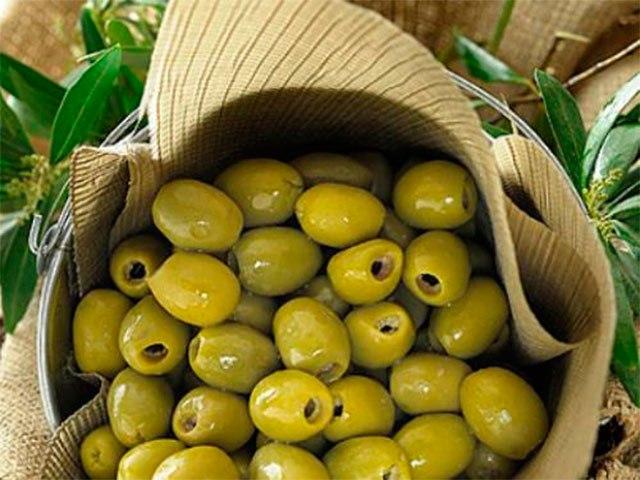
One of the most popular olive varieties. The trees of this species are named after the place where they grow. This southern variety is pickled and used as a snack. The fruit is harvested from November to January. These olives have a thin skin and extremely tender flesh.
Golden
A rather rare variety. These giant golden berries are grown on the famous island of Peloponnese. The oval-shaped fruits are very juicy, slightly crunchy, and have a distinctive and rare flavor. The harvest takes place in November. They are also pickled in a sea salt solution, then finished with wine vinegar.
Trubes Thassos
This variety grows on the Aegean islands. When ripe, the fruits become dark, almost black. They are picked from the trees in January and sun-dried. After drying, they are stored in olive oil flavored with oregano.
Conservolea
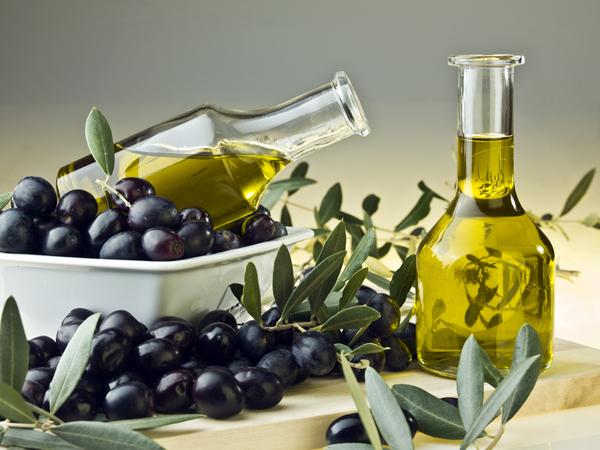
The fruits of these olives are round and medium-sized. The trees grow in central Greece. Traditionally, the harvest takes place in late October. The most pronounced flavor comes from olives that remain on the branches until late autumn. This produces Blondin Conservolea. Sometimes the fruits are harvested at full ripeness in mid-December. These are natural black olives.
Nions
This variety grows in Provence in southern France. The fruits are small and round. The harvest occurs in December and January. These berries have a distinctive aroma and flavor.
Bella di Serignola
It is considered one of the finest Italian olive varieties. These olives grow in the southern part of the Italian peninsula, in the region of Apulia. The fruits are large, with fleshy pulp. When ripe, they have a very attractive appearance.
Take a look Also
Alfonso
These large berries are almond-shaped. The flesh is firm, juicy, and delicious. They are grown in Peru and Chile. Their flavor is comparable to Greek and Italian varieties. When pickled, they acquire a rich purple color and a pleasant wine-like aroma.
Megara-Nafplion
The variety is named after the place where the trees grow near the town of Nafilio on the island of Peloponnese. They belong to the Moroccan type of olive. They have a slightly tart flavor, which is especially appreciated by connoisseurs. After olive harvest pressed down or cut on one side.
Blondin Conservolea
Grown in central Greece, the fruits are picked from the trees when they have lost their green color but have not yet turned purple-black. They pair well with a traditional marinade of sea salt and wine vinegar.
Koroneika
This variety is sometimes called the "Queen of Olives." Most of the oil produced in Greece is from the small fruits of this variety.
The Koroneika olive tree has been cultivated in Greece for almost 1000 years.
Related posts:
 TOP 40 New Year's 2020 Meat Recipes Using Pork, Beef, Chicken, and Lamb
 Timing and methods of olive harvesting, storage conditions for the harvest
 The best grape varieties for growing in the Urals, planting and care rules in summer
 80 Best Eggplant Varieties for Different Regions with Descriptions and Characteristics
 Descriptions of the 20 best cherry varieties for the Moscow region, their planting and care
 What varieties of tomatoes are best to plant in a polycarbonate greenhouse?
 Description and characteristics of the 45 best types of peaches, growing rules
 Description and characteristics of the 60 best sea buckthorn varieties, how to choose depending on the region