
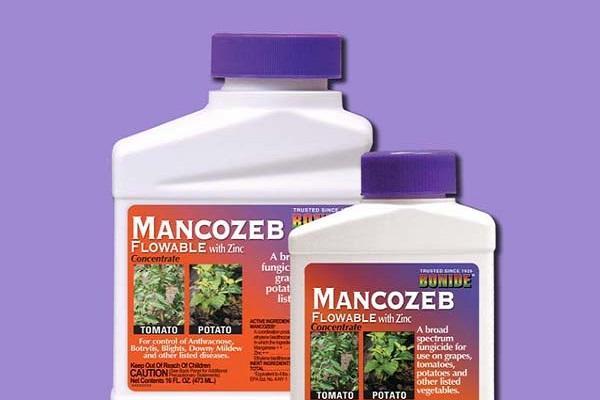
Fungal diseases can cause irreparable damage to vegetable crops and vineyards. If treatment is delayed, the disease can ruin the entire harvest. To prevent the spread of fungal infections, farmers use the contact fungicide Mancozeb. The instructions for this product explain how to dilute it, its dosage, and its composition.
Purpose, composition and existing forms of release
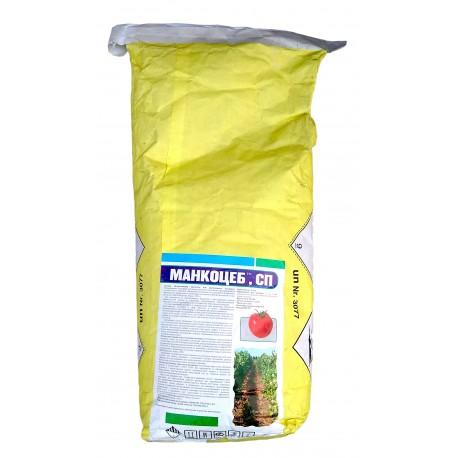
The drug belongs to the chemical class dithiocarbamates. It is produced as a grey-yellow wettable powder and is supplied in 10-kilogram packages. The main component is ethylene bisdithiocarbamate (62%), auxiliary substances are manganese (18%) and zinc (2.5%).
Mechanism of action
After spraying, the solution settles on the surface of the leaves, forming a continuous protective film on the green parts.
It prevents the penetration of pathogens and acts as an inhibitor of microbial cell growth: alternaria, mildew, late blight.
Pros and cons
The herbicide can be used during the pollination period, as it poses no threat to bees or humans. Its high toxicity class is a drawback, but if safety precautions are followed, the substance poses no harm to human health.
Calculation of consumption
Instructions for use of the herbicide "Mancozeb":
| Consumption of the preparation, l/ha | Harmful objects | Cultivated crops | Processing method |
| 1.2-1.6 | Late blight, alternaria | Potato | The interval between treatments is 7-14 days, the consumption of the working solution is 300-400 l/ha |
| Tomato in open ground | The interval between treatments is 7-10 days, the consumption of the working solution is 300-600 l/ha | ||
| 2-3 | Mildew | Vineyard | The interval between treatments is 7-14 days, the consumption of the working solution is 800-1000 l/ha |
Spraying is carried out during the growing season. The first treatment is for preventative purposes, and the second is carried out at the recommended interval.

How to prepare a working solution?
Treating fruit and vegetable crops and vineyards requires a large amount of working solution, so the mixture is prepared in large containers. The volume of liquid should be 300-600 liters. A small amount of the solution is diluted with water and mixed thoroughly. The remaining water is added during mixing until the desired volume is reached. For vineyards, a working solution of 800 liters is prepared.
Instructions for use
The first treatment of tomatoes, potatoes, and vineyards is carried out at the beginning of the season, when the green mass begins to develop. Subsequent sprayings are carried out at intervals of 7-14 days, depending on the air temperature and weather conditions in the region.
Security measures
When working with herbicides, special equipment is used. Workers in the treatment area must wear protective clothing, a respirator, a hat, and waterproof shoes.
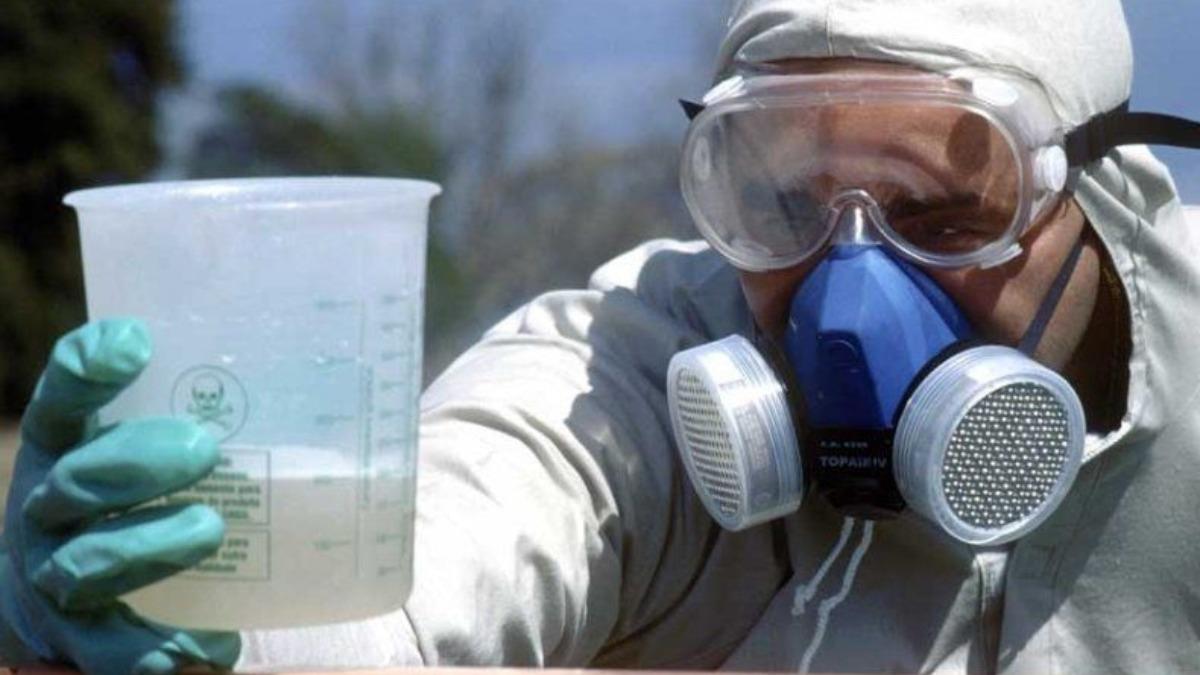
Spraying near bodies of water should be carried out at least 300 meters away from the water source. Keep animals and people away from the water source without protective gear. After working with the pesticide, thoroughly wash equipment and take a shower.
Degree of phytotoxicity
If safety precautions are observed and the components are dosed accurately, the preparation does not have a phytotoxic effect on plants.
Possible compatibility
Mancozeb is used in tank mixes with other pesticides. Before using the two pesticides together, test the reaction. If no precipitate forms when mixing small amounts of the substances, they can be used together. If precipitate does form, use the two products separately, separated by several days.
Storage conditions
Store Mancozeb out of the reach of children and animals. Store in a cool, dark place, away from food and animal feed. The shelf life is 3 years from the date of manufacture.
Similar means
There are herbicide analogues based on the active ingredient. These include:
- "Ditan M-45";
- "Indophil M-45";
- "Manzat";
- "Manfil";
- Pennkozeb.
Mancozeb effectively combats fungal plant diseases. This contact pesticide protects potatoes, outdoor tomatoes, and vineyards from pests, ensuring a healthy harvest.
Related posts:
 The best eggplant varieties for growing in a polycarbonate greenhouse: planting and care
 Instructions for use of the fungicide Metamil MC, application rates and analogues
 Instructions for use and composition of the fungicide Acrobat, application rates and analogues
 Instructions for use and composition of the fungicide Metaxil, application rates
 Methods for planting and propagating cherries at home
 Instructions for use of Gliocladin and the composition of the fungicide, application rates
 The health benefits and contraindications of black currants
 How to control carrot flies with medications and folk remedies