
Almost every homeowner sets aside beds for planting potatoes. This crop is easy to care for and requires little time. However, in some cases, under unfavorable weather conditions, it can be attacked by a disease called late blight. To save the crop, gardeners resort to chemicals. The fungicide "Shirlan" is a contact agent and is characterized by high protective properties.
Composition, existing forms of release and purpose
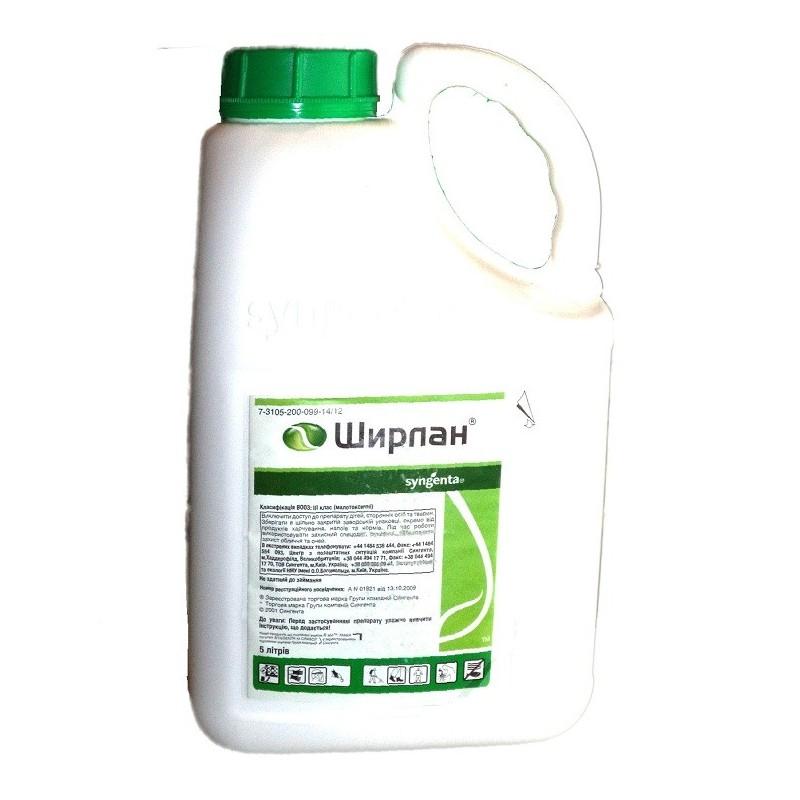
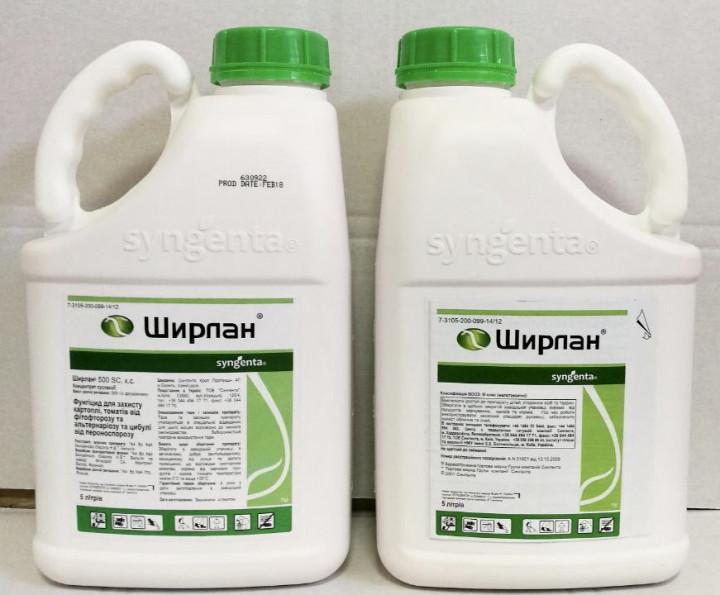
This contact fungicide contains only one active ingredient: fluazinam, a recently developed compound. Shirlan is available commercially as a suspension concentrate, packaged in 5-liter plastic canisters.
Gardeners and farmers primarily purchase the fungicide to protect potato crops from late blight, but "Shirlan" also effectively treats crops such as eggplant, onions, grapes, peppers, and tomatoes.
Mode of action
The new active ingredient targets pathogenic microorganisms in two ways. First, fluazinam blocks the respiration of pathogens. Second, the active component inhibits energy metabolism in pathogen cells, which ultimately blocks spore motility and germination.
The drug effectively treats existing crop diseases and has a preventative effect.
Pros and cons
Those who have already used the contact fungicide to protect and treat potatoes and other crops have highlighted several advantages of the product.
The only disadvantages that can be highlighted are the need to conduct a test before use in tank mixtures and the impossibility of use with other concentrated chemical protection agents.
How to prepare a mixture for different plants
The principle of preparing the working solution for treating different plants is the same; only the application rate of the contact fungicide will vary. The solution is prepared immediately before spraying to ensure its effectiveness.
Add half the recommended amount of water to the sprayer. Clean the water first to remove any mechanical impurities, so they don't clog the sprayer's screen. Add the recommended amount of fungicide and turn on the mixer. Once the product has completely dissolved, add the remaining liquid and mix again.
Rules for application and calculation of fungicide consumption
Plantings should be treated in dry, clear weather, ensuring the temperature does not exceed 27 degrees Celsius. After treatment, any remaining solution should be disposed of according to safety instructions.
The consumption rate for plants is presented in the table.
| Cultivated plant | Pathologies | Fungicide rate | When to spray |
| Potatoes, eggplants and tomatoes | Late blight and alternaria | 10 ml per hundred square meters of garden | Throughout the growing season, a maximum of 4 treatments are carried out per season. |
| Beans and peas | Powdery mildew and anthracnose | 10 ml per 100 square meters of field | Throughout the growing season, maximum once per season |
| Onion | Peronosporosis | 10 ml per 100 square meters | Throughout the growing season, maximum 3 times per season |
| Pear and apple trees | Powdery mildew and scab | 8 ml per 100 square meters | Throughout the growing season, maximum 3 times per season |
Phytotoxicity and precautions
Gardeners have not reported any cases of phytotoxicity when using contact fungicide correctly. Avoid treating weak or frozen plants.
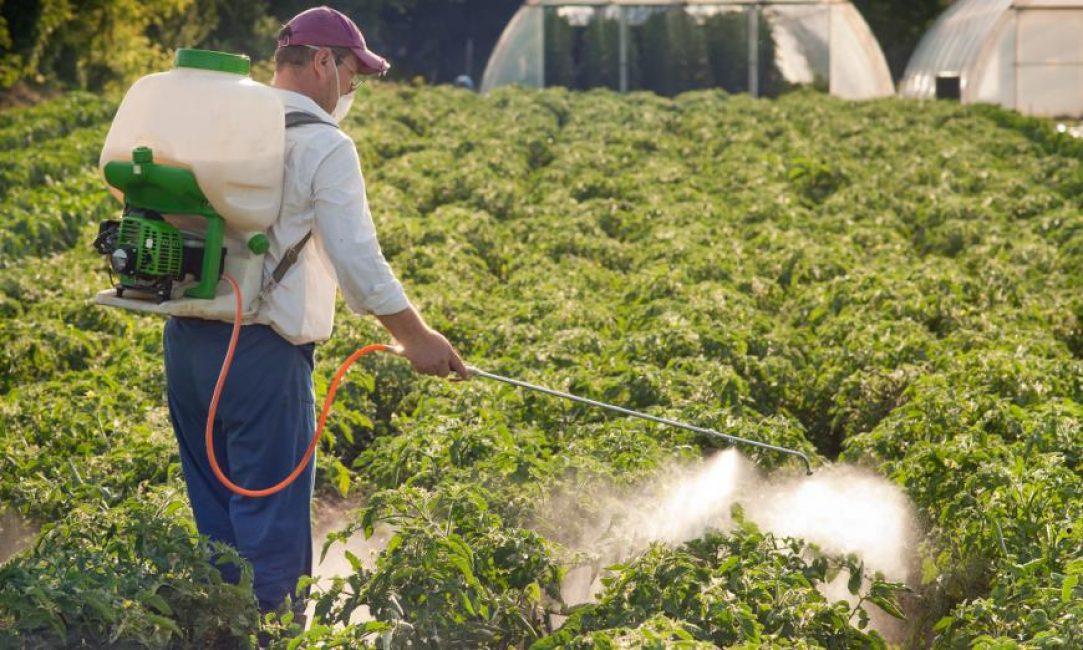
When working with chemicals, be sure to wear protective clothing and a respirator to prevent inhalation of fungicide vapors. After spraying, shower and wash clothes.
Possible compatibility
The fungicide "Shirlan" can be used in tank mixes with other chemicals, subject to a prior compatibility test. The only thing this contact fungicide is not recommended for use with is concentrated chemicals.

Storage rules and shelf life
If the product is stored under the proper conditions, its shelf life is three years from the date of production. The room where the fungicide is stored should be protected from light, and the temperature should not exceed 30 degrees Celsius.
Similar means
The fungicide "Shirlan" can be replaced with preparations such as "Altima", "Jeep" or "Banjo".
Related posts:
 Instructions for using Falcon fungicide for treating grapes
 Instructions for use and composition of the fungicide Fitosporin-M, application rates
 Instructions for use and composition of the fungicide Teldor, application rates
 Instructions for use and composition of the fungicide Raek, application rates and analogues
 Composition and instructions for use of the fungicide Kumulus, application rates and analogues
 Instructions for use and composition of the fungicide Oxyhom, application rates
 Types of garden fungicides and descriptions of the top 24 best, instructions for use
 Instructions for use and composition of the fungicide Optimo, application rates and analogues