
- Composition and existing forms of release
- Mechanism of action
- Advantages of fungicide
- Calculating consumption and how to prepare a working solution
- Instructions for use
- Tomatoes
- Cucumbers
- Potato
- Grape
- Sunflower
- Onions
- Security measures
- Degree of toxicity
- Possible compatibility
- Storage conditions and shelf life
- Similar means
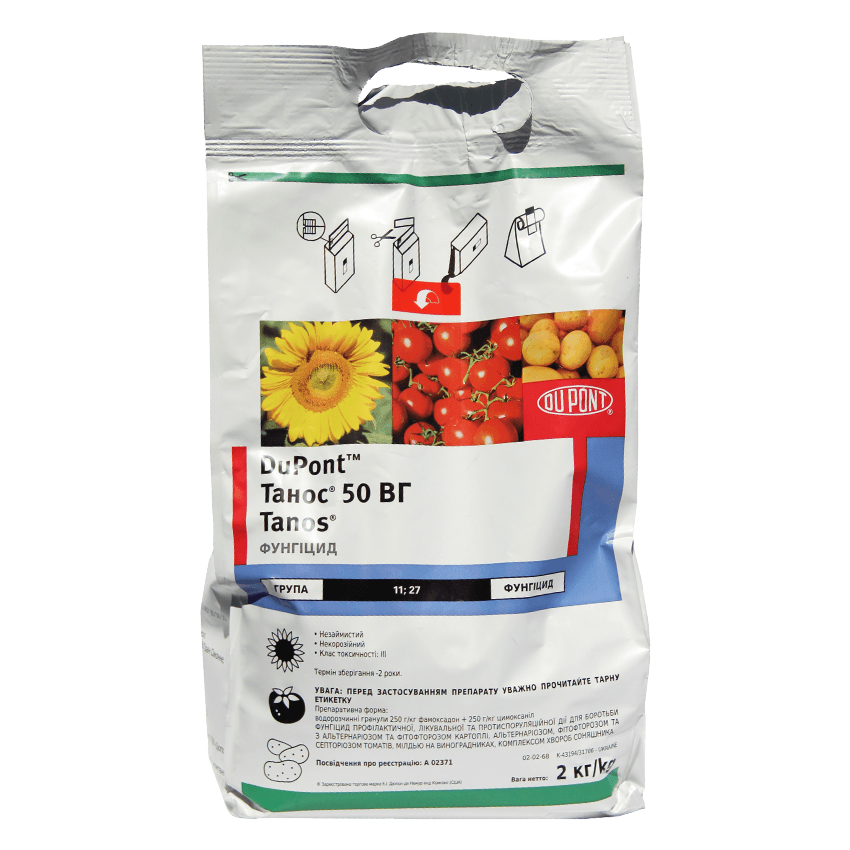
Preserving the maximum yield is important for any farmer, but sunflower and grape crops often suffer from exogenous and endogenous parasites. To prevent the growth and development of hostile organisms, the fungicide "Thanos" is used on a range of agricultural crops, including cucumbers, tomatoes, sunflowers, grapes, and onions.
Composition and existing forms of release
The fungicide contains cymoxanil and famoxadone. Cymoxanil belongs to a class of pesticides that protect plants from the incubation of pathogens that cause various diseases. The substance can penetrate the plant's body within a few hours of the first spray.
Famoxadone settles on the surface of plant leaves, forming a protective film. It has a long-lasting effect, protecting crops for 14 days from application. The fungicide "Thanos" is available as granules that are sprayed with water. This formulation allows for significant savings in the amount of active ingredient and its distribution over the entire field.
Mechanism of action
Cymoxanil has a negative effect on fungal spores by preventing nucleic acid synthesis, killing the pest in its infancy. The only resistant fungus is powdery mildew. Famoxadone inhibits bacterial mitochondria, slowing down biochemical reactions and killing the pathogen.
Advantages of fungicide
The fungicide has a number of positive qualities: ease of transportation and storage, low cost, low toxicity, and a complete absence of unwanted impurities. Thanos has been used by progressive farmers for many years, so it shouldn't cause any particular problems.
There's no need to purchase expensive equipment or sprayers. The crystals settle in the designated locations, don't freeze, aren't blown away by the wind, and aren't washed away by rain or melted snow. The minerals in the fungicide accelerate photosynthesis and ensure a quick harvest, even in adverse weather conditions.
Calculating consumption and how to prepare a working solution
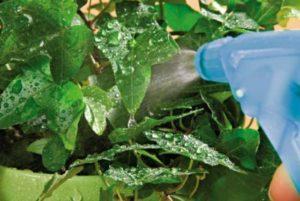
The standard application rate for the product is 0.4-0.6 kg per hectare. One liter of the working solution contains 250 ml of the active ingredient, cymoxanil. Fill the irrigation tank with half the volume of clean running water and add the required amount of active ingredient. Mix thoroughly and add the remaining water to the tank. After use, thoroughly clean the container, and safely dispose of any remaining water.
Instructions for use
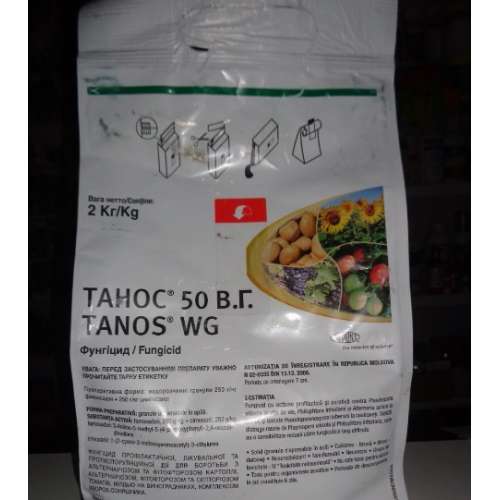
Application instructions vary depending on the crop being treated. Fungicide application rates also vary – from 2 grams per liter of water for cucumbers and tomatoes to 6 grams for grapes and onions. Spraying is performed up to three times during the growing season.
At least 25-30 days must pass from the last treatment until harvest.
Tomatoes
The first treatment is carried out before budding and flowering. It provides excellent protection against tomato late blight and early blight. The application rate is 0.4-0.6 kg per hectare.
Cucumbers
Recommended for use with alkaline fungicides. The interval between treatments is at least 14 days. Application rate: 0.4-0.5 kg per hectare.

Potato
The fungicide can be applied at various stages of vegetation. Most often, the first application is during row closure. The optimal interval between fungicide applications is approximately two weeks. During the entire plant growth period, two to three applications are recommended. The minimum application rate is 0.5 kg per hectare.
Grape
The first treatment is preventative. After two weeks, two more treatments are added, which can be either preventative or curative. It is used to prevent mildew. The active ingredient consumption per hectare is 0.4-0.6 kg.
Sunflower
Sunflowers are first treated when 10-12 leaves appear on the stems. The second and final spraying is at the budding stage. It prevents white and yellow rot, as well as black spot. The optimal application rate is 0.6 kg per hectare.

Onions
Treatment is carried out before flowering. The recommended application rate per hectare is 0.6 kg of solids. Onions can be eaten after 15-20 days.
Security measures
Workers should wear protective clothing, rubber boots, and gloves. A mask and respirator are recommended to prevent inhalation of microdoses of the fungicide.
Degree of toxicity
The product is low-toxic to humans and animals and can be used on both industrial and forage crops. If a large amount of the fungicide comes into contact with mucous membranes, rinse the affected area immediately with running water and consult a doctor.

Possible compatibility
Compatible with a wide range of insecticides and herbicides, and works in conjunction with alkaline fungicides. It can be mixed with micronutrient fertilizers, allowing for two simultaneous applications to save time.
Storage conditions and shelf life
The product's shelf life is 2 years from the date of manufacture. Opened packaging should be stored in a dry place, out of reach of children and animals, and only in the original container. The working solution should be used on-site and not stored. Any remaining solution should be disposed of safely. Do not pour any remaining solution into sewers or natural or artificial bodies of water.
Similar means
The fungicide "Zakhist" has become widely used. It contains the same active ingredients as "Thanos," but in a different ratio. It also contains metalaxyl, which is used to combat powdery mildew in agricultural crops.
Related posts:
 Instructions for use and composition of the fungicide Fitosporin-M, application rates
 Instructions for use and composition of the fungicide Signum, application rates
 Instructions for use and composition of the fungicide Raek, application rates and analogues
 Instructions for use and composition of the fungicide Teldor, application rates
 Instructions for use and application rates for Triafol, fungicide analogues
 Instructions for use of Siliplant and the composition of the fertilizer, pros and cons
 Instructions for use and composition of the fungicide Ferazim, application rates
 Instructions for using Falcon fungicide for treating grapes