
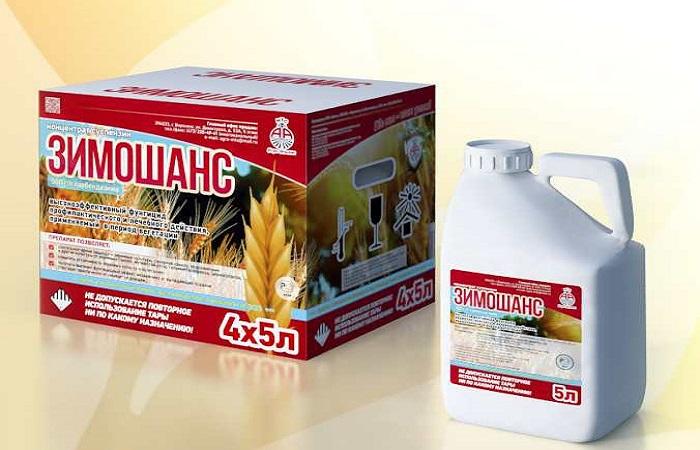
Various pesticides are used to protect crops during the growing season. Zimoshans treatments can treat cereals, sunflowers, and beets at the early stages of diseases (powdery mildew, root rot, and cercospora leaf spot). Spraying crops is also used for preventative purposes, as the product's protective properties last for 20-26 days.
What is included in the composition and existing forms of release
This highly effective pesticide is available as a concentrated suspension in 5-liter canisters. Its active ingredient is carbendazim (50 g per liter of suspension). Carbendazim is poorly soluble in water and organic solvents.
Mechanism of action
The active ingredient, carbendazim, does not affect cellular DNA synthesis, but it inhibits mitosis in plant, fungal, and animal cells. Its distinguishing features include good adhesion and rapid penetration into plant leaf blades. Therefore, pathogen growth is halted within 3-4 hours after spraying. The Zimoshans pesticide inhibits mycelial growth (stopping cell division and germ tube development).
Purpose
The fungicide is used as a preventative and therapeutic agent against various plant diseases. The suspension is used for:
- grain crops become more resistant to lodging;
- The fungicidal effect is maintained under adverse weather conditions (the suspension is not washed off with water).
Spraying provides protection of plants from cercospora, powdery mildew, and root rot.

Flow calculation and instructions for use
The suspension is used to treat various crops. To properly prepare the working solution, follow the instructions.
| Plant species | Application rate, l/ha | Features of application |
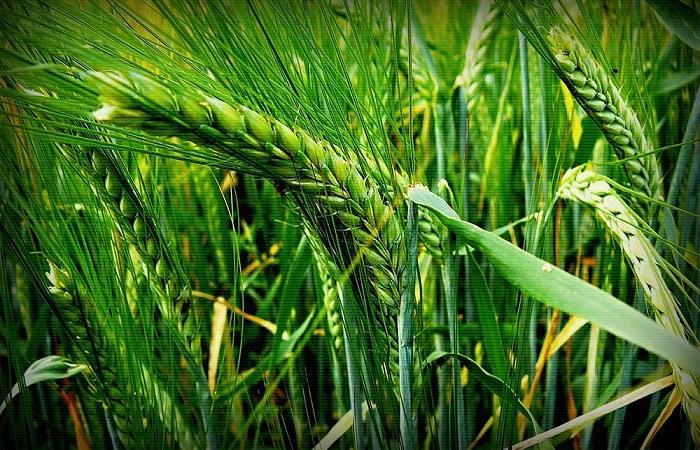
| Cereals (barley, rye, wheat) | 0.3-0.6 | During the growing season, they protect plants from root and basal rot and prevent lodging. |
| 0.5-0.6 | During the growing season, cereal crops are sprayed against powdery mildew and helminthosporiosis. | |
| Beet | 0.6-0.8 | During the growing season, the beds are treated against powdery mildew and cercospora |
It is recommended to prepare the working solution immediately before spraying the area. During treatment, the suspension solution should be constantly stirred.
Precautionary measures
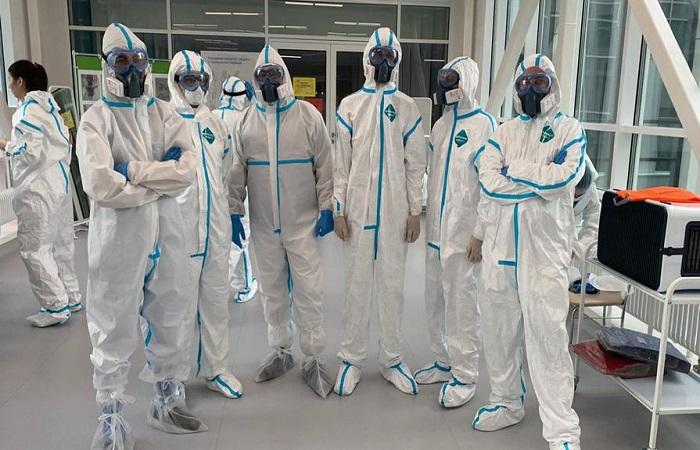
The pesticide "Zimoshans" is classified as hazard class 2. Therefore, it is important to observe safety precautions when diluting the working solution and during spraying:
- During the period of plant treatment, it is prohibited to smoke, drink, or eat;
- After finishing spraying, you need to wash your hands under running water, rinse your nose and mouth;
- When working with pesticides, personal protective equipment must be worn (respirator, special glasses, gloves, rubber boots, special clothing or aprons and armlets).
Spraying should be done in the morning or evening hours when there is no wind. The procedure should not exceed one hour.
If the solution comes into contact with your skin, gently blot the liquid with a cotton ball or cloth, avoiding rubbing. Wash the affected area with soap and water. If the Zimoshans solution gets into your eyes, rinse them with plenty of water.
How and how long can it be stored?
It is advisable to allocate a separate room for storing pesticides; do not store animal feed or food products in the same room. The recommended storage temperature for the suspension is from -3°C to +25°C. Store the pesticide in its original packaging (shelf life: 3 years).
Substitute products
Among the pesticides containing carbendazim, several analogues of Zimoshans can be selected.
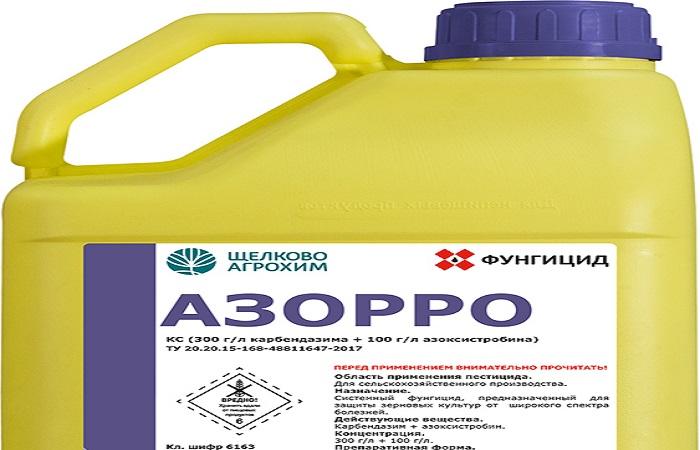
- Azorro suspension concentrate is used to protect cereals from powdery mildew and root rot. It also stimulates plant growth and helps increase yields.
- Carbonar is rain-resistant and effective against snow mold and root rot. It provides active protection to grain crops and sugar beets.
Many farmers strive to limit their use of pesticides. However, it's undeniable that using these products significantly facilitates crop cultivation and increases yields. It's also important to note that Zimoshans is non-phytotoxic to crops and decomposes quickly in the soil.
Related posts:
 Instructions for use and composition of the fungicide Triagro, dosage and analogues
 Types of garden fungicides and descriptions of the top 24 best, instructions for use
 Instructions for use of the fungicide Topaz for plants, composition and analogues
 Instructions for use of Gliocladin and the composition of the fungicide, application rates
 The use of peat as a fertilizer for potatoes and other crops and its differences from humus
 Instructions for use of Baktofit for plants and the composition of the fungicide
 Instructions for use of Agricola and the composition of the fertilizer, pros and cons
 Instructions for the use of Sporobacterin for plants and its composition, analogues