
- Composition and existing forms of release
- Pros and cons
- How does the product work?
- What plants does it affect?
- How long does the protection last?
- Calculation of consumption for different plants
- Rules for preparing the working mixture
- Instructions for use of herbicide
- Security measures
- Degree of phytotoxicity
- Is there resistance?
- Possible compatibility
- Storage conditions and shelf life
- Similar means
Grain crops require treatment against weeds, which can lead to crop failure. Derby, a systemic herbicide that controls broadleaf weeds, is effective in barley and wheat crops. These weeds are most susceptible to the product during the early stages of plant development, when conditions are favorable for active growth. The pesticide is highly effective against bedstraw.
Composition and existing forms of release
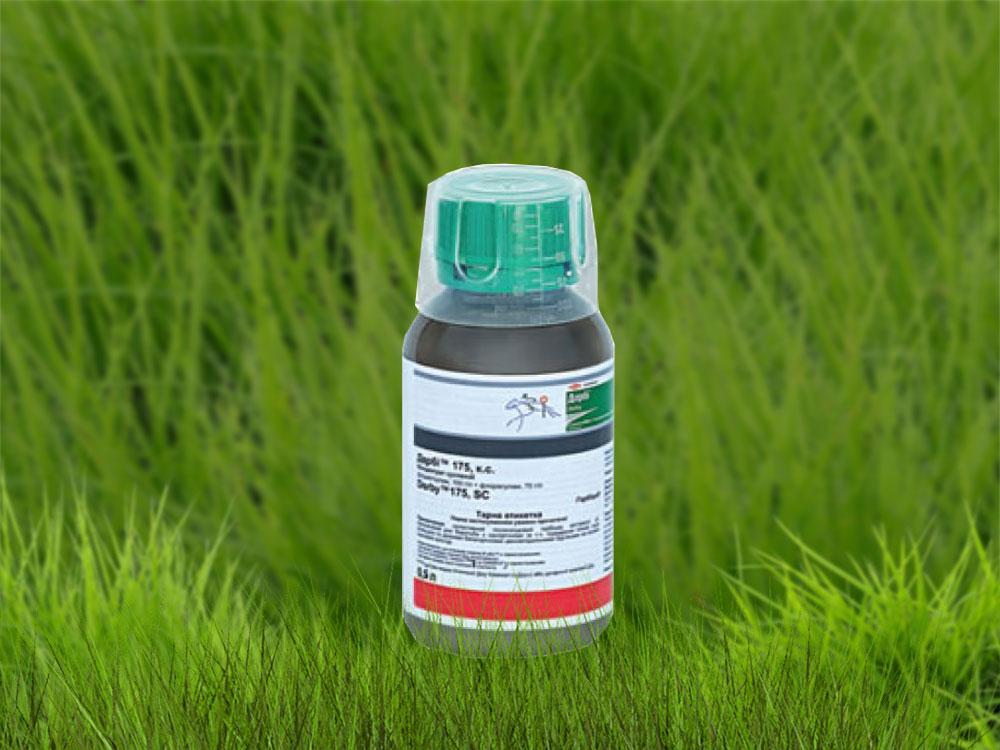
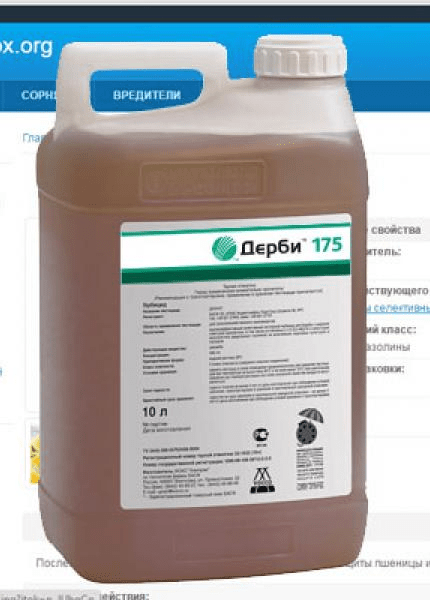
The two-component pesticide contains:
- flumetsulam – 100 grams per 1 liter of concentrate;
- florasulam – 75 grams per 1 liter of product.
Belongs to the chemical class triazolopyrimidines. The components are most effective during the initial stages of unwanted vegetation growth. This new-generation chemical protects barley and wheat from most varieties of broadleaf weeds.
The suspension concentrate is packaged in a 0.5 liter plastic container.
Pros and cons
How does the product work?
The active ingredients penetrate the weeds and begin to act within 24 hours. The weeds are completely killed within 2-3 weeks. The duration of the wilting period depends on the weed species and growth stage, as well as the weather conditions in the region. Precipitation within 2 hours of treatment does not affect the effectiveness of the chemical.

What plants does it affect?
The spectrum of action of "Derby" is presented in the table:
| Degree of sensitivity | A type of weed |
| High | ambrosia knapweed chickweed chamomile Highlander |
| Average | fumitory
Highlander sow thistle nettle violet pickle |
| Low | buttercup |
It is not recommended to apply fungicide before frost. "Derby" should not be used in fields undersown with clover or alfalfa.
How long does the protection last?
The fungicide controls the treated plants. Its effect on the soil is short-lived due to rapid root penetration. The grass kill process, which lasts for 2-3 weeks after treatment, depends on the plant species, growth stage, and climate conditions. Crop protection lasts until harvest.
Calculation of consumption for different plants
The regulations for use are indicated in the table:
| Culture | Norm (ml/ha) | Harmful object | Processing method |
| Wheat Barley |
0.05-0.07 | Annuals and perennials of dicotyledonous weeds | Spraying manually or mechanically during the growing season, from tillering to the appearance of the first true leaf |

Rules for preparing the working mixture
The concentrate is mixed in its original container. The mixture is prepared only before spraying. Fill the container 1/3 full with water and add the product according to the instructions. Turn on the mixer and thoroughly mix the contents of the tank. Then add water until the required volume of the working solution is reached, and mix again.
Instructions for use of herbicide
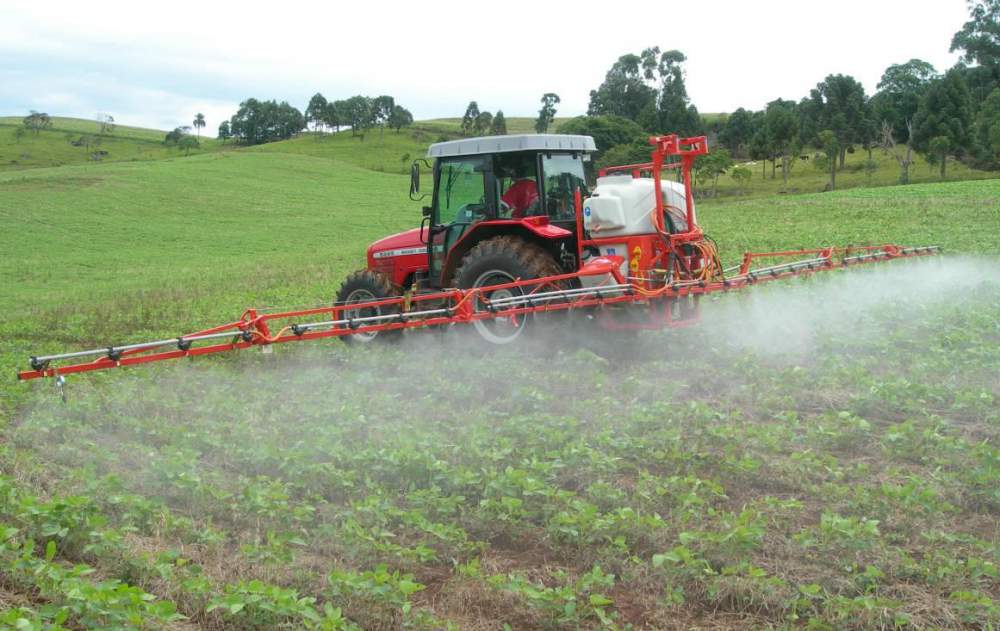
The agrochemical is sprayed on the area at temperatures between 8 and 25 degrees Celsius. Crops under stress are not treated. Spray unwanted vegetation during the active growth phase. The product is most effective on weeds in the growth phase between 2 and 8 true leaves.
Security measures
Treatment should be carried out at wind speeds of up to 4-5 meters per second. It is advisable to restrict access to pollinating insects for 24 hours. Wear protective clothing, gloves, and a mask. Avoid contact with eyes, respiratory tract, and skin.
Do not store chemicals indoors. After handling, wash your hands thoroughly with soap and rinse the equipment.
Degree of phytotoxicity
Derby fungicide belongs to hazard class 3, so if used according to instructions and safety regulations, it will not harm humans, insects, or birds. The chemical should not be allowed to contaminate food, animal feed, or water bodies.
Is there resistance?
The active components undergo semi-degradation in the soil. The agrochemical does not harm plants during subsequent crop rotations.

Possible compatibility
"Derby" is compatible with other chemicals based on:
- isoproturon;
- chlorotoluron;
- clodinafop-propargyl;
- fenoxaprop-P-ethyl;
- dichlorfop-methyl.
Before preparing tank mixes, components are tested for compatibility by mixing a small amount of chemicals.
Storage conditions and shelf life
Store the fungicide in a dry, well-ventilated area in a tightly sealed container. The shelf life is 24 months from the date of manufacture. Maintain a storage temperature of -5 to +40°C.
Similar means
Among analogues, farmers prefer to use the drug "Veyron" - the latest systemic herbicide.
Derby herbicide is a benchmark for effectiveness among similar products thanks to its unique composition and active weed control. It ensures high-quality harvests and eliminates unwanted vegetation during the growing season.
Related posts:
 The best eggplant varieties for growing in a polycarbonate greenhouse: planting and care
 Methods for planting and propagating cherries at home
 The health benefits and contraindications of black currants
 How to control carrot flies with medications and folk remedies
 The best grape varieties for growing in the Urals, planting and care rules in summer
 The health benefits and harms of cherries, rules of consumption, and their effects on the body
 Top 40 DIY New Year's Baking Recipes for 2020
 How to properly plant peas in a greenhouse and open ground