
To control weeds over large areas, various types of pesticides are used in agriculture. These substances do not harm crops and do not affect the quality or shelf life of harvests. Depending on their composition, they are used on vegetables, grains, and forage crops. They are suitable for eliminating a variety of harmful plants. For example, the herbicide "Healer" eliminates cereal weeds from crops.
Composition, formulation and purpose
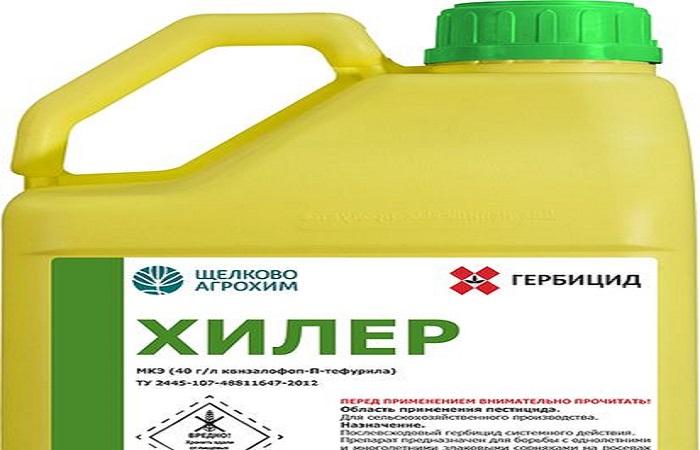
This product is an oil-based emulsifiable concentrate (OEC). Its active ingredient is quizalofop-P-tefuryl, available at a concentration of 40 grams per liter. Based on its penetration method, it is classified as a contact pesticide, and based on its mode of action, it is classified as a selective herbicide.
It is designed to control various types of grass weeds (annual and perennial) in fields. It is not suitable for use in garden plots. It is available in plastic canisters with a tight-fitting lid, with a capacity of 5 or 10 liters. Each package of the herbicide has a label with information about the product name, manufacturer, purpose, dosage, and instructions for use.
Advantages and disadvantages
Every agrochemical has its pros and cons. The advantages of the Healer herbicide include:
- the ability to adhere well to parts of the weed, increased destructive ability (oil emulsion is less easily washed off by precipitation);
- possibility of use in any weather conditions;
- compatibility in tank mixtures with other agrochemical compounds;
- use at any stage of planting development;
- impact on a variety of cereal weeds (annual, perennial, malicious species).
The only drawback that farmers note is the high cost of the product.
Operating principle
The herbicide's active ingredient inhibits plant growth and development by preventing cell division. The oil emulsion penetrates the outer layer of the leaf blade better and is absorbed by the weed's foliage and stem, accumulating at the growing points.
Calculation of consumption
Do not exceed the manufacturer's recommended consumption rate.

| Sprayed crops | Concentrate consumption | Type of weed | Spraying features, consumption of working solution, in liters/hectare. |
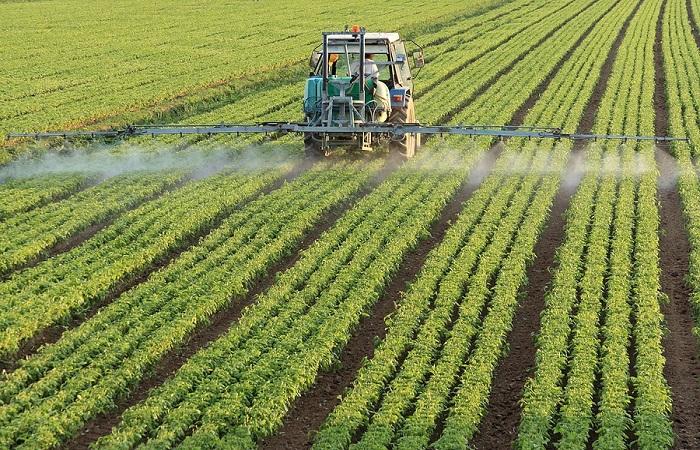
| Crops of winter and spring rape, sunflower, flax, soybeans, sugar beets. | 0.75-1.0 | Annual cereals (various species of foxtail, common millet and barnyard grass, other weeds). | Phase of 2-4 weed leaves, excluding the crop development phase. 200-300 |
| The same cultures | From 1.0 to 1.5 | Perennial grasses, creeping wheatgrass | Treatment when the couch grass grows to 10-15 centimeters. 200-300 |
This herbicide eliminates growing weeds, providing crop protection throughout the season when applied to perennials or until the next growth wave for annual weeds. It is capable of controlling weeds at any stage of their development.
How to prepare and use the working mixture
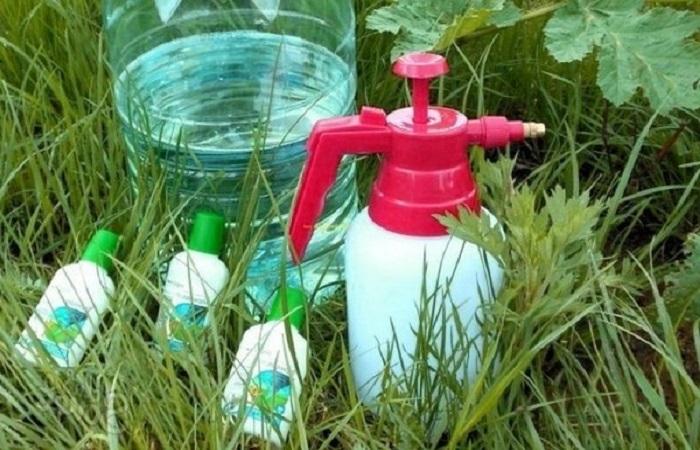
The working solution is prepared in special areas for working with agrochemicals. It is prepared before use and stored for no more than 24 hours.
Mix 1/3 of the volume of water with the required amount of concentrate. With the mixer running, add the remaining liquid. Continue mixing for 7-10 minutes. Spray the crops with the prepared solution in dry, windless weather.
The instructions for use of the product contain detailed information on consumption rates, rules for using the prepared solution, and safety precautions when working with the herbicide.
Safety precautions
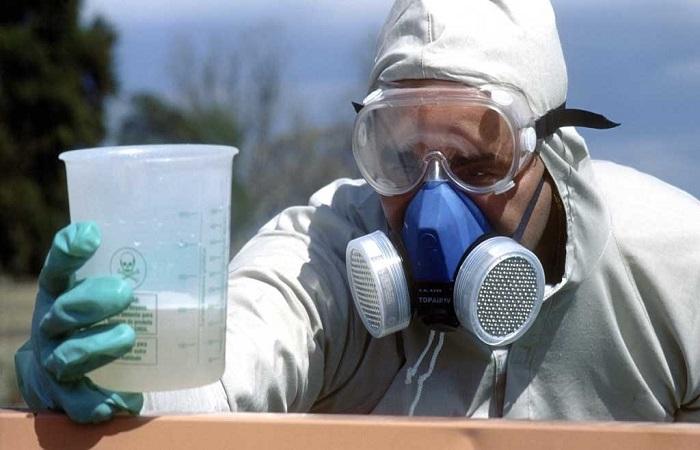
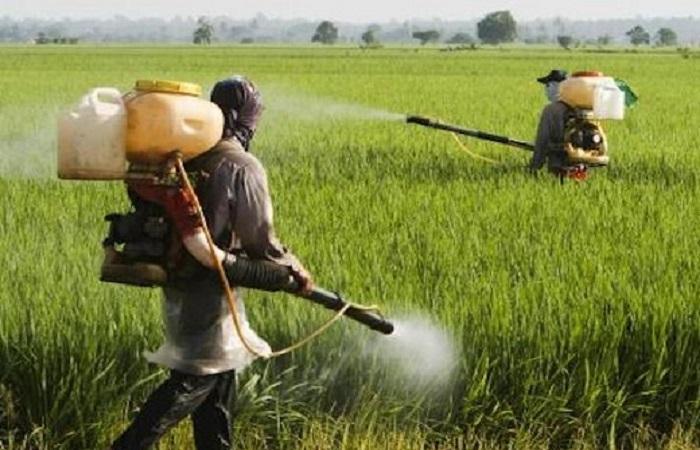
Work on preparing the mixture and spraying is carried out in protective suits, rubber gloves, and respirators. Personnel undergo preliminary training and instruction. A person responsible for the work is appointed.
Eating and smoking are prohibited while working. After treating crops, change clothes and take a shower. If the herbicide is accidentally ingested, the victim must be transported immediately to a hospital, providing the accompanying person with information about the name, composition, and purpose of the product.
Degree of toxicity
The herbicide is classified as a moderately toxic substance and has a hazard class of 3 for humans and entomophages.
Possible compatibility
Suitable for tank mixing with pesticides and insecticides. When preparing the mixture, check the components for compatibility.
How to store it correctly and for how long
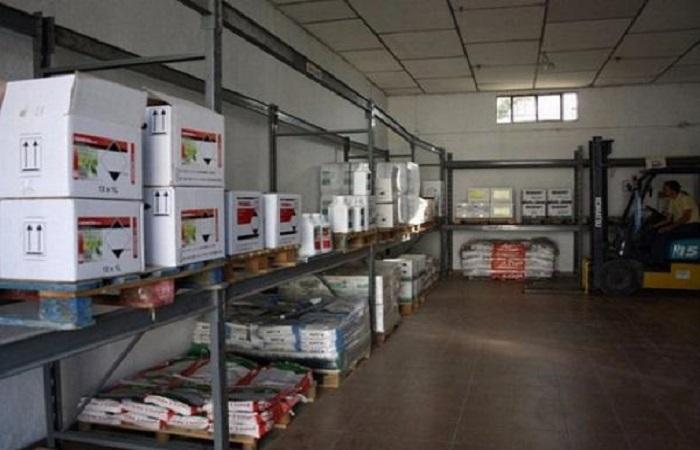
The product is stored in a warehouse for storing agrochemicals, in the manufacturer's container. The container must be completely sealed, with clearly visible information about the product's name and purpose. The area must be dry and well-ventilated. The pesticide's shelf life is 3 years from the date of manufacture.
Analogues
Identical in active substance are: "Lemur" EC; "Panther" EC; "Bagheera" EC.
Related posts:
 Composition and instructions for use of the herbicide Ballet, application rates and analogues
 Hermes herbicide instructions for use, dosage, and analogues
 Instructions for use and composition of the herbicide Basis, application rates and analogues
 Instructions for use and composition of the herbicide Fabian, application rates and analogues
 Instructions for use and composition of the herbicide Lornet, application rates and analogues
 Composition and instructions for use of the herbicide Pilaraund, application rates
 The best eggplant varieties for growing in a polycarbonate greenhouse: planting and care
 Instructions for use of Bisa 300 and herbicide composition, application rates and analogues