
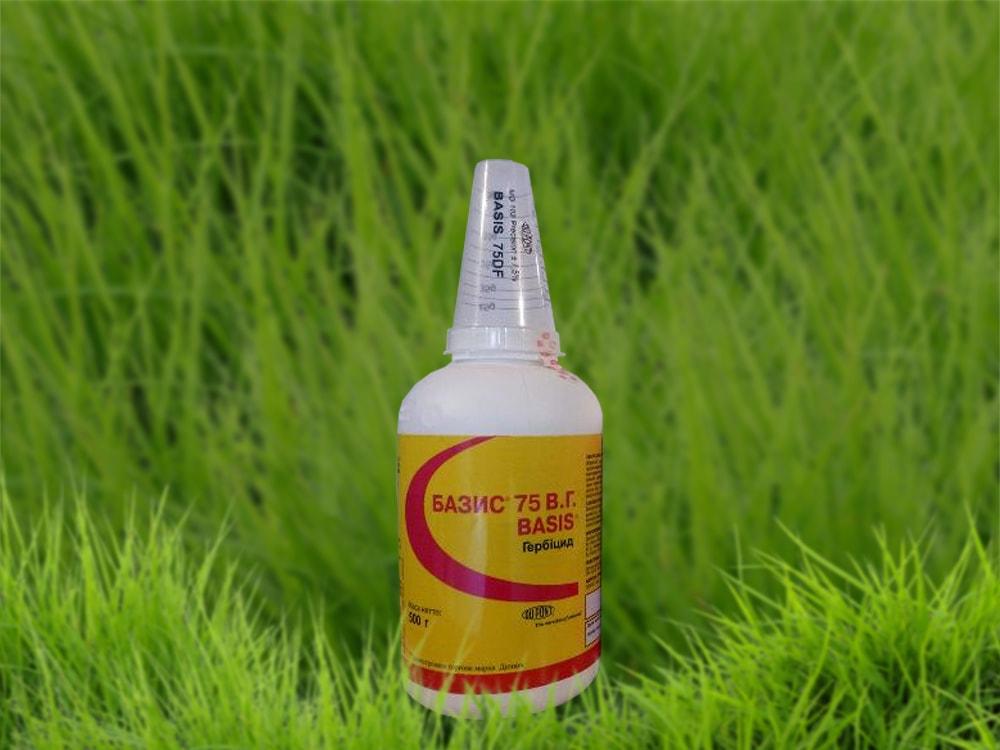
Farmers who plant corn in their fields often need to use chemicals to control weeds. Weeds interfere with the crop's full development and rob it of nutrients. Farmers often turn to the herbicide "Basis," which is equally effective against both grass and broadleaf weeds. It is recommended to read the instructions before using the chemical.
Composition, dosage form and purpose
The selective herbicide "Basis" consists of two active ingredients: rimsulfuron at a concentration of 500 grams per liter of product and thifensulfuron-methyl at a concentration of 250 grams per liter of chemical. This two-component composition ensures the herbicide's high effectiveness in controlling weeds.
Dupont produces a herbicide in the form of a dry, flowable suspension, packaged in cans ranging from 100 to 500 grams. The instructions for the product state that it is intended for controlling weeds in corn fields.
Mechanism of action
The selective herbicide works by combining two active ingredients. After a farmer treats weeds with the chemical, the ingredients penetrate the weeds through the leaves and begin to spread throughout the plant. When the active ingredients reach the growing points, they inhibit acetolactate synthase, an enzyme essential for grass development.
If susceptible weeds are treated, they stop growing within a few hours of spraying and stop draining nutrients and moisture from the corn seedlings. Complete weed control takes two weeks.
Advantages of the drug
Farmers who have evaluated the performance of the Basis herbicide in practice have identified several advantages of the chemical.
To achieve the expected result from the use of the chemical, it is necessary to use it together with the surfactant "Trend 90".
Calculation of consumption
The manufacturer's recommended herbicide application rate depends on the grasses being treated. The application rates are listed in the table:
| Weeds | Norm of the drug | Working fluid consumption |
| Dicotyledonous and cereal annuals | 20 ml of herbicide | From 200 to 300 liters per hectare of field |
| Cereal and dicotyledonous perennials | 25 ml of herbicide | From 200 to 300 liters per hectare of plantings |
For 100 liters of working solution add 100 ml of adhesive.

How to prepare a working mixture
Prepare the spray solution before you begin treating weeds; doing it too early will make it less effective. Fill the sprayer tank halfway with water—the water should be warm enough to allow the herbicide to dissolve better. Then, turn on the agitator, add the recommended amount of chemical, and wait for it to dissolve. Then, with the agitator turned off, add the remaining water and the "Trend 90" surfactant. Mix thoroughly again, and begin spraying the weeds.
Instructions for use
The instructions for use specify the herbicide's application guidelines and optimal timing. Spraying should begin when the seedlings have developed 2 to 5 leaves. Choose a sunny, windless day for the application. It's also best to avoid rainfall for 24 hours after application.
Spraying is prohibited if the corn is stressed or damaged by diseases or pests. Any remaining working solution must be disposed of safely. Do not pour the chemical into water bodies or onto the soil.
Safety precautions
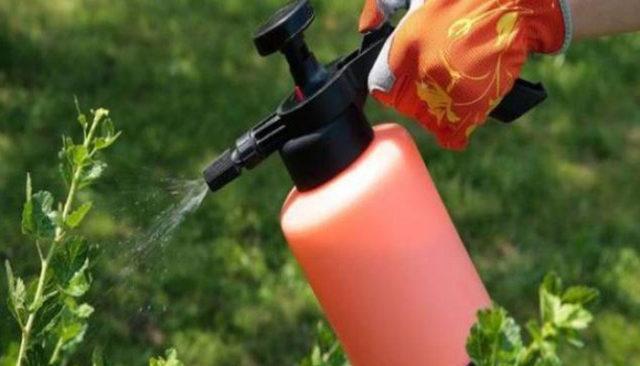
When handling the chemical, ensure personal protective equipment is used. Wear a full-body coverall, gloves, and a headscarf. A respirator should be used to prevent inhalation of herbicide particles. After handling the chemical, remove all clothing and launder it. The farmer should shower and rinse their mouth.
If herbicide accidentally gets into your eyes, rinse them with water. If redness or discomfort occurs, consult a doctor.
How toxic is it?
Since the active ingredients of this selective herbicide only target the enzyme found in weeds, it poses no danger to humans or warm-blooded animals. However, avoid applying it near apiaries and fish farms.

Possible compatibility
There's no point in using Basis with other herbicides, as it handles its intended task independently and effectively kills corn weeds. It should not be used with organophosphorus insecticides or fertilizers intended for root feeding.
How to store properly
The herbicide has a shelf life of 3 years from the date of manufacture when stored in sealed, factory-sealed packaging and according to storage instructions. The chemical should be stored in a room protected from sunlight. The maximum permissible temperature is 35 degrees Celsius.
Similar means
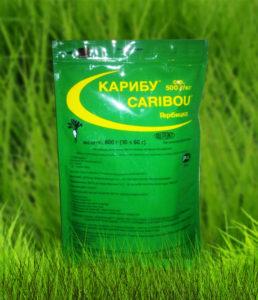
It is permitted to replace “Basis” with a drug such as “Centaur”.
Related posts:
 Hermes herbicide instructions for use, dosage, and analogues
 Instructions for use and composition of the herbicide Aksifor, dosage and analogues
 Instructions for use and composition of the herbicide Fabian, application rates and analogues
 The best eggplant varieties for growing in a polycarbonate greenhouse: planting and care
 Composition and instructions for use of the herbicide Pilaraund, application rates
 Composition and instructions for use of the herbicide Ballet, application rates and analogues
 Luger herbicide instructions for use, dosage, and analogues
 Composition and instructions for use of the herbicide Fakel, application rates and analogues