
- What is included in the composition and existing forms of release
- Advantages and disadvantages
- Mechanism of action
- What is it intended for?
- How much money to spend
- How to make a working solution
- Instructions for use of the product
- On millet
- Spring barley, winter and spring wheat
- For corn
- On sorghum
- How long will it take to work and what is the degree of effectiveness?
- Is resistance possible?
- What medications is it compatible with?
- Security measures
- What to do in case of poisoning
- How to store and how long it lasts
- Analogues
"Ballet" is a two-component herbicide designed to control annual and perennial weeds. This versatile product offers accelerated, complex herbicidal action and is highly effective. It destroys hard-to-eradicate weeds with well-developed root systems, which are common and harmful to sugar beets, fodder beets, and cereals.
What is included in the composition and existing forms of release
"Ballet" herbicide contains two main components:
- acid (2,4-D) in the form of low-volatile esters – 550 g/l;
- florasulam – 7.4 g/l.
Important! The herbicide "Ballet" belongs to the chemical class of aryloxyalkanecarboxylic acid, triazolopyrimidines.
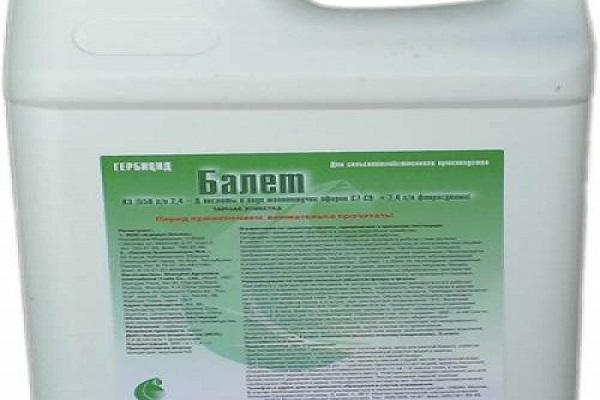
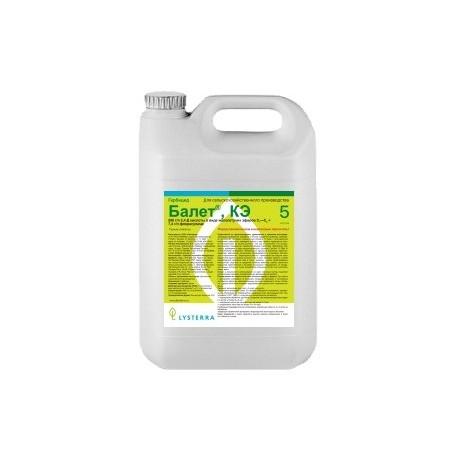
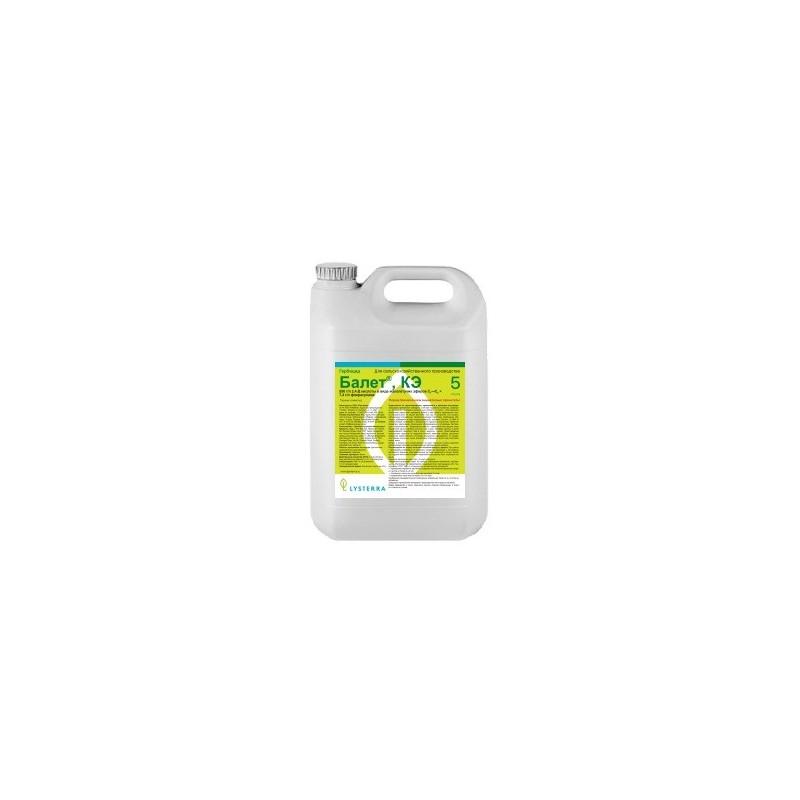
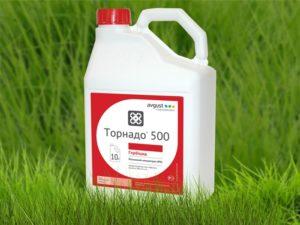
This product is produced as a concentrated emulsion by Listerra. It is packaged in 5-liter plastic containers. Before use, Ballet is diluted with water. The proportions are indicated on the label.
Advantages and disadvantages
Ballet is a highly effective two-component herbicide. It is used to control annual and some perennial weeds that, when grown on agricultural land, harm grain crops (rye, wheat, and spring cereals), cereals, fodder beets, and sugar beets.
Important! "Ballet" is the most effective product in its class. It destroys over 160 species of various broadleaf weeds, including those resistant to 2.4-D and MCPA.
Due to the high concentration of the active ingredient, "Ballet" acts faster and is more effective than other similar herbicides designed to control weeds.
Mechanism of action
The active ingredients of the herbicide "Ballet" penetrate weeds primarily through leaf blades and stems. Once the maximum concentration of chemicals is reached in the leaf meristem, root system, and other parts of the weed, their growth and development cease. The supply of nutrients to the cells is interrupted. Cellular structures become deformed and gradually die. Weed death is caused by the slowing or complete cessation of acetolactate cinase, an auxin-type reaction.
What is it intended for?
"Ballet," like any other herbicides, is used when weeding is ineffective or when there is no result after using other weed control chemicals.
How much money to spend
When planning crop treatments, consider the specific characteristics of agricultural land. The area is also planted with specific crops. Herbicide use is prohibited in areas planted with grains and interplanted with legumes. Treatment is also prohibited in areas where broadleaf plants grow. Maintaining the correct temperature is equally important. Farmers recommend performing crop treatments during the day, in good weather, at temperatures between 9 and 25 degrees Celsius.
Important! Optimal results are achieved when spraying annuals that have reached a height of 6-10 cm.
To treat one hectare of area, 0.3 liters of "Ballet" herbicide is required. For large weed infestations, the dosage is increased to 0.5 liters per hectare.
How to make a working solution
To maintain the effectiveness of the "Ballet" working solution, prepare it immediately before use. One hectare of area will require 200-300 liters of the prepared solution. The herbicide concentration depends on the crop being planted. Pour a small amount of water into a plastic container and add the concentrate according to the stated dosage. Mix thoroughly. Bring the volume to the required dosage and begin spraying the weeds. Stir the solution continuously during application.
Instructions for use of the product
According to the instructions, 200-300 liters of working solution are required to spray one hectare of area. This should contain 0.3-0.5 l/ha of herbicide.
Take a look Also

On millet
Spraying is carried out during the early stages of growth, weed development, and tillering of the crop. Spray at a rate of 0.5 l/ha.
Spring barley, winter and spring wheat
The herbicide is applied in the initial stages of weed development, during the tillering stage of cereal crops. Winter crops are treated with "Ballet" in the spring. To control broadleaf weeds per hectare, 200-300 liters of the working solution are required, which should contain at least 0.3-0.5 liters of the herbicide.
For corn
Treatment is carried out after 4-5 pairs of true leaves appear on the corn, during the early stages of weed development. The volume of working solution for treatment of 1 hectare of area is 200-300 liters. The herbicide application rate is 0.3-0.4 l/ha.

On sorghum
"Ballet" is applied during the initial stages of annual and perennial weed growth. The crop must have at least three to six leaves. The herbicide application rate is 0.3-0.4 l/ha. 200-300 liters of the prepared solution are required per hectare.
How long will it take to work and what is the degree of effectiveness?
The product will have a detrimental effect on susceptible annual weeds within 24 hours of spraying, and on perennial weeds within 25-48 hours. Ballet's effectiveness is demonstrated by:
- gradual yellowing of weed leaves;
- twisting of leaf blades;
- drying out of weeds;
- shortening the length of the internodes.
Important! Cell death, complete cessation of development, and plant death are observed within two to three weeks.
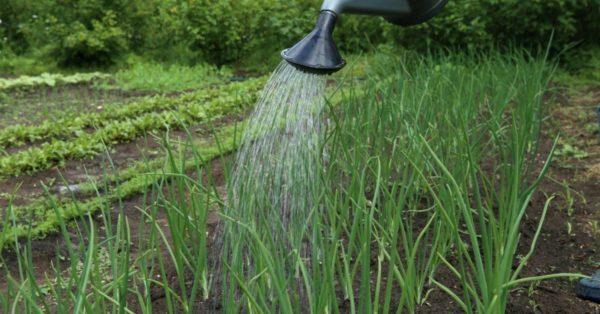
After spraying, the protective effect, depending on climatic conditions and weather, lasts for 30 days or more.
Is resistance possible?
The two active ingredients in Ballet do not reduce the risk of weed resistance. The herbicide has a selective effect.
What medications is it compatible with?
The herbicide "Ballet" can be used simultaneously with other herbicides, insecticides, fungicides, and pesticides. It is compatible with growth stimulants and complex fertilizers for cereals.
Security measures
Ballet contains toxic chemicals. Failure to observe safety precautions when using the product may result in intoxication, severe poisoning, allergic reactions, and other serious health problems.
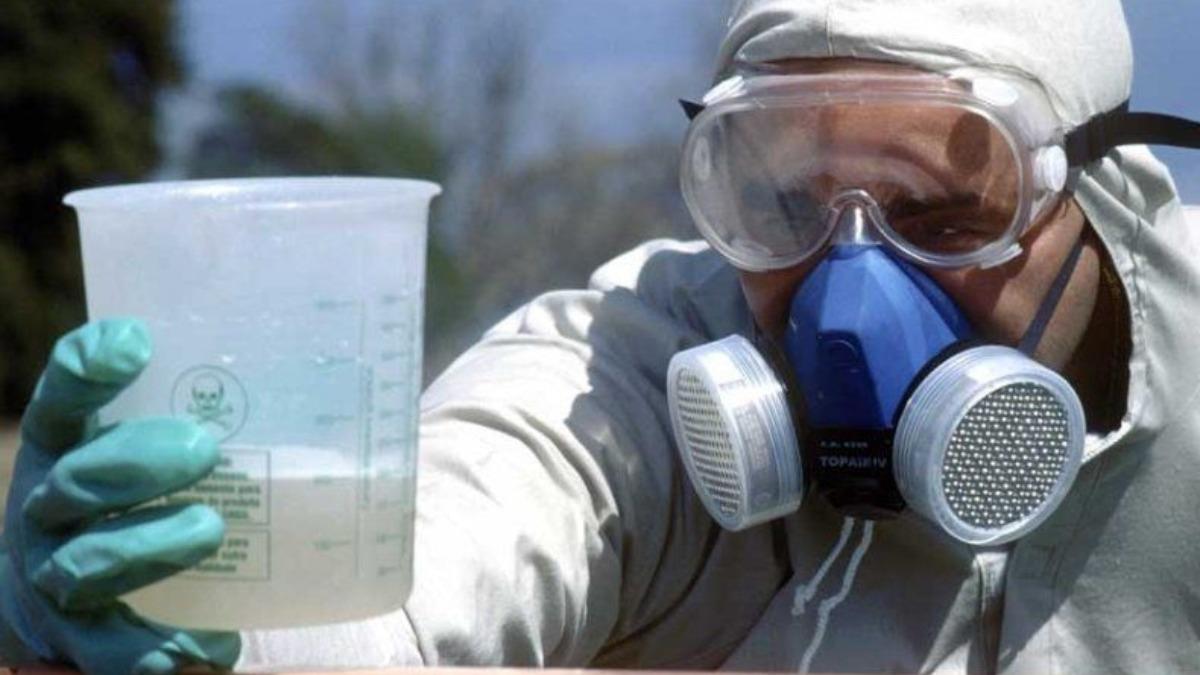
Rules for working with the herbicide "Ballet":
- Perform treatments wearing protective clothing and personal protective equipment (gloves, respirators).
- Do not visit the treated area for 3-4 days.
- Dilute the concentrate in special containers in a separate room.
- The solution should not come into contact with mucous membranes, eyes, or open wounds on the skin.
- Store the herbicide out of the reach of animals, children and food.
- It is not recommended to use the prepared solution near residential buildings, bodies of water, recreation areas, summer cottages, and cottage villages.

To avoid harm to health and the environment, please follow safety precautions when working with Ballet.
What to do in case of poisoning
If the herbicide comes into contact with your body, mucous membranes, or eyes, first of all, thoroughly rinse the areas of contact with the herbicide with water.
Emergency care if signs of poisoning appear:
- Provide fresh air supply.
- Drink plenty of fluids (acidified water, unsweetened strong tea).
- Use of sorbents to prevent intoxication.
- Use of medications for rinsing and cleansing the gastrointestinal tract of chemicals.
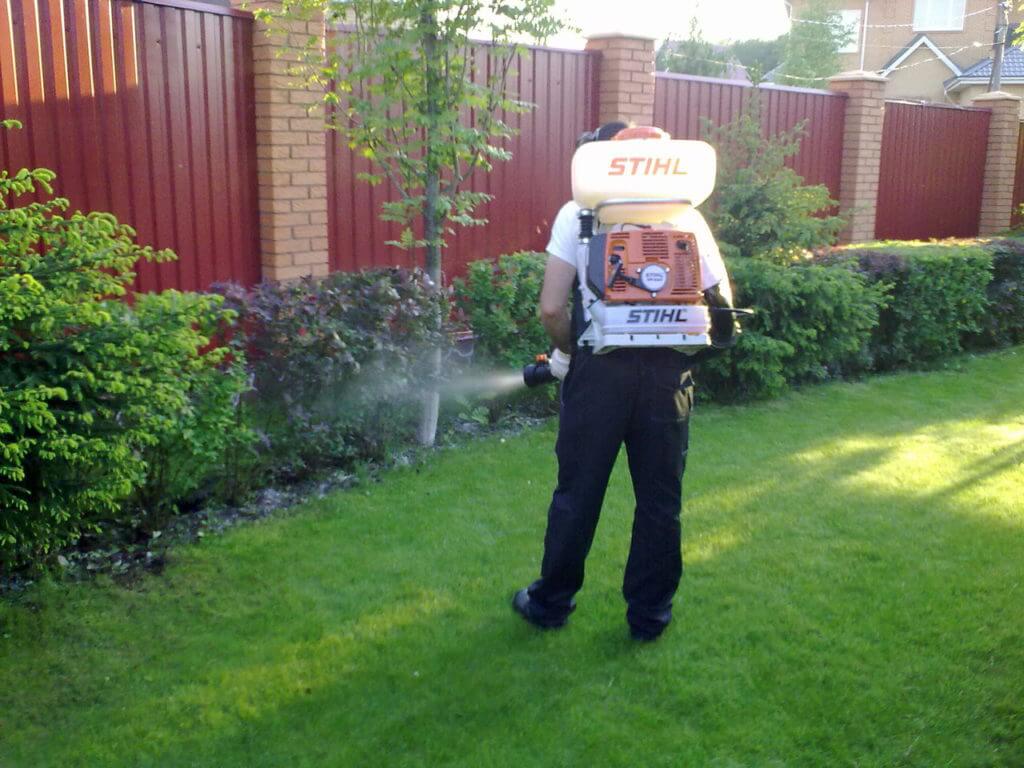
If the herbicide accidentally comes into contact with mucous membranes or enters the digestive tract, consult a doctor. In case of severe poisoning, call a doctor immediately. After detoxification therapy, monitor your health and general condition. If your health worsens, consult a doctor.
How to store and how long it lasts
The manufacturer's stated shelf life is three years from the date of production. To maintain the effectiveness of the weed killer, store the "Ballet" herbicide in its original, sealed container at a temperature between 9 and 22 degrees Celsius.
Important! Expired products lose their effectiveness. The production date is indicated on the "Ballet" container. Dispose of the herbicide after the manufacturer's stated expiration date.
Analogues
If you cannot purchase Ballet, replace the product with other herbicides with a similar mechanism of action.
Analogues:
- Betarus;
- "Bifor";
- "Progress";
- Belvedere Forte;
- Betax Trio;
- "Triumph";
- Florax;
- "Expert".
All of the above-mentioned preparations are effective in weed control and have a similar biochemical composition and mechanism of action.
Related posts:
 Top 10 Systemic Herbicides and How to Choose the Right One
 Instructions for use and composition of the herbicide Axial, dosage and analogues
 Composition and instructions for use of the herbicide Ballerina, application rates
 Instructions for use and composition of the herbicide Galigan, dosage and analogues
 Instructions for use and composition of the herbicide Miura, application rates and analogues
 Composition and instructions for use of the herbicide Panther, application rates
 Instructions for use and composition of the herbicide Lornet, application rates and analogues
 Instructions for use of Cassius and the herbicide composition, dosage, and analogues