
Farmers who plant vast tracts of land with crops can't afford to control weeds manually, so they resort to chemicals. Some products are designed to kill weeds before they emerge above the soil surface, while others are used after the first shoots emerge. The latter includes the selective herbicide "Salsa," which can be used in both spring and fall.
Composition, dosage form and purpose
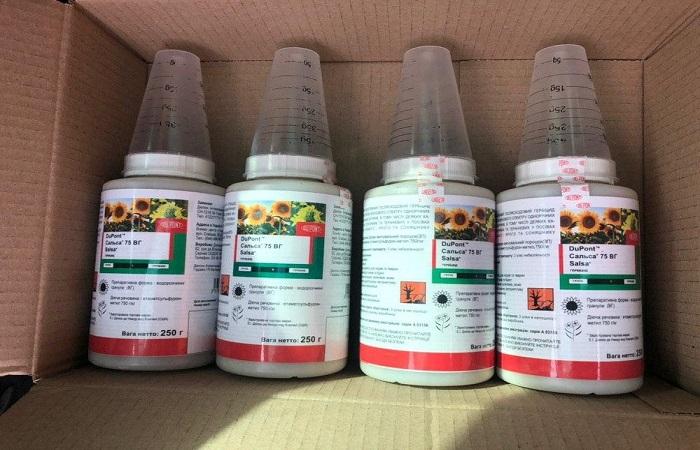
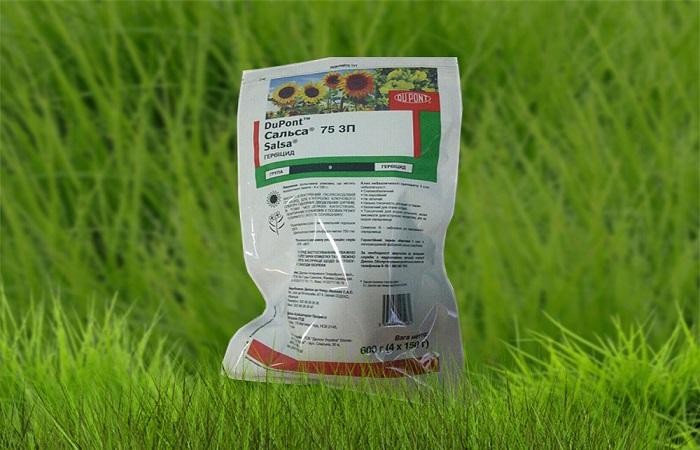
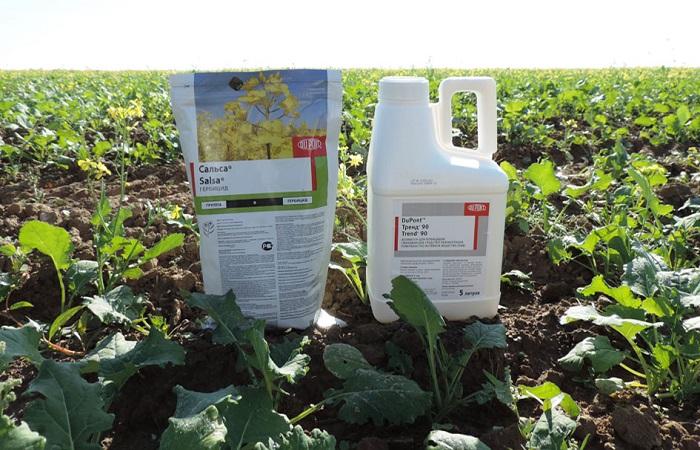
DuPont's herbicide contains one active ingredient, ethametsulfuron methyl, which belongs to the sulfonylurea class of chemicals. One kilogram of the chemical contains 750 grams of the active ingredient. The herbicide is produced as a wettable powder, packaged in water-soluble sachets. It is also available commercially as water-dispersible granules, packaged in 250-gram jars.
This chemical is designed to control and destroy weeds in fields sown with rapeseed and sunflowers. It is effective against not only annual and some perennial weeds, but also hard-to-eradicate varieties (shepherd's purse, rhododendron, and field mustard), when used correctly.
Operating principle
After treatment, the active ingredient, a sulfonylurea, quickly penetrates all weed tissues and begins its work. It is active not only on foliar surfaces but also partially on soil surfaces (if it rains after spraying). Under the influence of the chemical component, weed growth is halted, they weaken, and they no longer rob crops of nutrients and water.
The first signs of grass death become noticeable within a week of treatment (for resistant weeds, after 10 days). Leaves turn yellow, and necrosis develops. Complete weed eradication occurs within two weeks of spraying; the exact timeframe depends on the plant's resistance, weather conditions, and the rate of application of the chemical.
Pros and cons
After testing the selective herbicide "Salsa" on their fields, farmers identified several advantages of the chemical. They cited the following as advantages:
- no harm to cultivated plants if the standards specified in the instructions are observed;
- effectiveness in destroying a wide range of weeds, including those that are difficult to eradicate;
- the speed of action of the chemical after penetration into the tissue of the contaminants;
- low consumption of herbicide;
- Possibility of use in tank mixtures after testing;
- Efficient in use both for spring-sown crops and for winter planting.
One of the disadvantages of the herbicide is that it can only be used in fields sown with sunflower and rapeseed.
Calculation of consumption
The manufacturer's instructions specify application rates for a chemical that will kill weeds without harming crops. Application rates for different crops are presented in the table:
| Cultivated plant | Norm of herbicide "Salsa" | Time of application of the chemical and frequency of use |
| Sunflower | 25 grams per hectare | The field with the crop is treated in the early stages of sunflower development. Only once. |
| Winter rapeseed and spring rapeseed | From 20 to 25 grams of herbicide per hectare of field | In spring, treatment is carried out at the stage of stem elongation in rapeseed.
In autumn, work is carried out once until the plant has formed 8 leaves. |
To improve the effect of the herbicide and help it adhere to weeds, the adhesive "Trend 90" is added; 200 ml of the substance is required per hectare of field.
Preparation of the working mixture
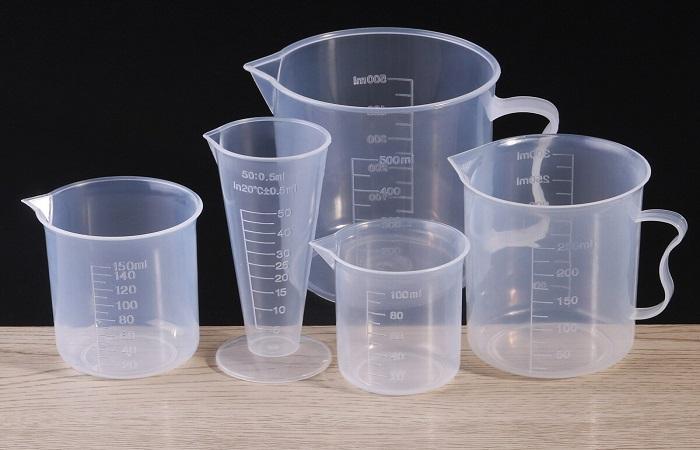
The working fluid for field treatment is prepared immediately before the procedure. Add a little more than half of the water to the sprayer tank and add the recommended dose of herbicide. Turn on the agitator until the chemical particles are completely dissolved. Then add the remaining water and the recommended dose of adhesive, and turn on the agitator again for 5 minutes to allow the herbicide to dissolve.
Instructions for use
Weed control is recommended when temperatures are above 10 degrees Celsius, on a dry, clear day with wind speeds no higher than 4 m/s. It's best to treat the field either in the morning or in the evening, after sunset.
Safety precautions
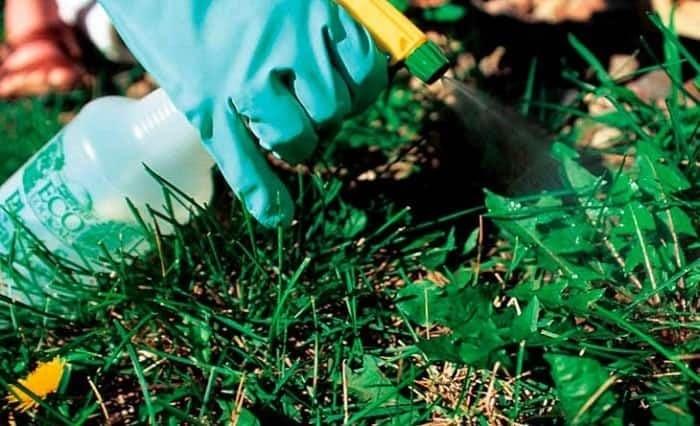
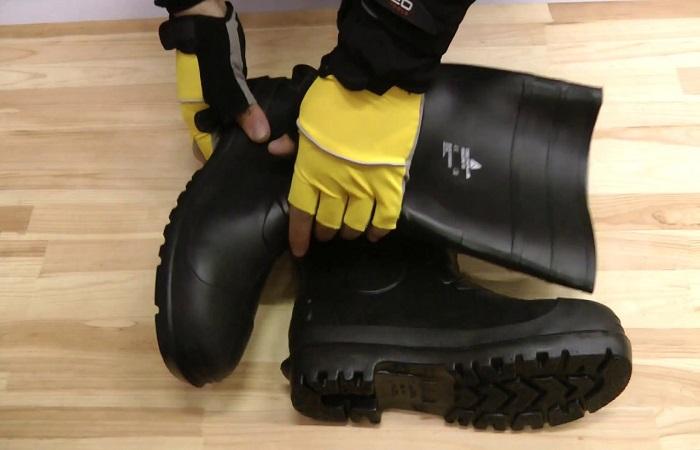
Before beginning field treatment, farmers must ensure their safety. They should wear full-body work clothing, rubber boots, and gloves. To prevent exposure to chemical vapors, a respirator is essential.
During the treatment, it is strictly forbidden to eat, drink or smoke, so that the chemical does not enter the human body.
How toxic is it?
The herbicide belongs to the 3rd toxicity class of chemicals, so it cannot be used near drinking water sources or in water protection zones. Prior to applying the herbicide, the farmer should notify nearby apiary owners of the upcoming operation so they can limit bee flight.
Possible compatibility
The herbicide is compatible with most chemicals and fertilizers. However, before using it in tank mixes, it's recommended to test a small amount of each product.
How to store it correctly and for how long
Store the chemical in a separate utility room, away from children and pets. The temperature should not exceed 30 degrees Celsius. The herbicide's shelf life from the date of manufacture is 3 years.
Analogues
If necessary, Salsa can be replaced with such preparations as Borey Neo and Rondos.
Related posts:
 The best grape varieties for growing in the Urals, planting and care rules in summer
 Methods for planting and propagating cherries at home
 Instructions for use of the fungicide Topaz for plants, composition and analogues
 How to properly plant peas in a greenhouse and open ground
 How to propagate and grow peas, cultivation technology, and care in open ground
 Instructions for use and composition of the herbicide Pivot, dosage and analogues
 Instructions for using Falcon fungicide for treating grapes
 Nitrophoska composition and instructions for use of fertilizer, errors