- Composition and dosage form, purpose
- How it works and how quickly it works
- Advantages and disadvantages
- What crops are affected and how are the consumption rates calculated for them?
- Preparation of the working mixture
- Instructions for use
- Precautionary measures
- Degree of toxicity
- Possible compatibility
- How to store it correctly and for how long
- Analogues
Farmers who plant crops in their fields must combat weeds to prevent them from robbing plants of nutrients and choking out their crops. They often opt for universal chemicals that effectively kill a wide range of weeds. The herbicide "Pivot" is approved for use both before and after planting. To achieve the desired results, it's important to first read the manufacturer's instructions.
Composition and dosage form, purpose
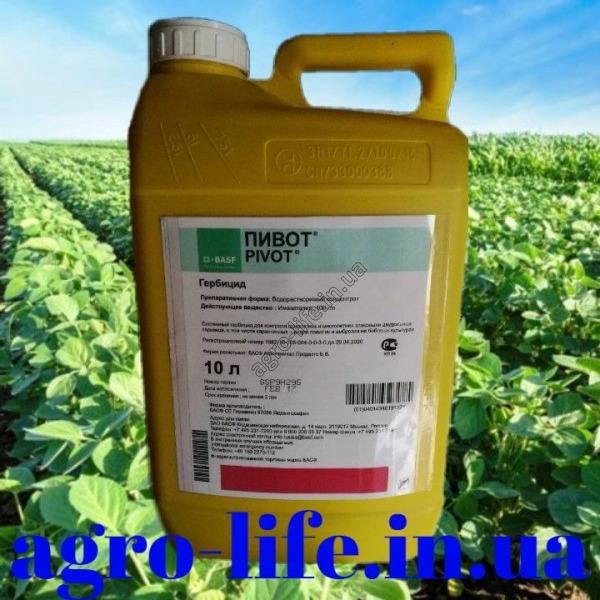
The universal herbicide "Pivot" is a selective herbicide, meaning it targets only weeds without harming crops. It contains one active ingredient, imazethapyr, which belongs to the imidazolinone class of chemicals. One liter of the herbicide contains 100 grams of the active ingredient.
The chemical is available in gardening stores as a water-soluble concentrate packaged in opaque 10-liter plastic canisters. The herbicide is manufactured by Basf, a company renowned among farmers worldwide for the high quality of its products.
A selective chemical agent designed to destroy annual dicotyledonous, as well as perennial and annual cereal weeds that choke out soybean, alfalfa and lupine crops.
How it works and how quickly it works
After treatment, the active ingredient of the herbicide penetrates all tissues of the weeds, disrupting the synthesis of essential amino acids, without which the weeds cannot continue to develop and grow. The first signs of grass growth cessation appear within a few hours of treatment (in susceptible weeds). Complete weed death occurs 3-5 weeks after treatment.
Advantages and disadvantages
Farmers who tested the product's performance in their fields identified several key advantages of the herbicide.
The advantages of Pivot include the following points:
- If the treatment is carried out on time and the application rates of the preparation are observed, one treatment per season is sufficient;
- the herbicide destroys only weeds and does not have a negative impact on cultivated plants even with post-emergence treatment;
- a wide range of weeds against which the chemical agent works effectively;
- low consumption of the preparation, which allows you to save on the purchase of the herbicide;
- the chemical works quite quickly, the first signs of weed damage appear a few hours after treatment;
- absence of phytotoxicity when following the rules and regulations for use specified in the instructions;
- possibility of use with other chemicals after testing;
- The herbicide has a low degree of toxicity both for humans and for beneficial insects and animals.
What crops are affected and how are the consumption rates calculated for them?
The instructions for use indicate the consumption rates of the selective herbicide for each crop plant.
The chemical consumption is presented in the table:
| Cultivated plant | Amount of herbicide | Consumption of working solution |
| Lupine | From 0.4 to 0.5 liters, depending on the weediness of the area and the quality of the soil | From 200 to 400 liters |
| Soybeans | From 0.5 to 0.8 liters | From 200 to 400 liters |
| Alfalfa | 1 liter | From 200 to 400 liters |
It's important to remember that the lighter the soil, the less herbicide will be needed. On heavy clay soils, the amount of herbicide needed should be increased.

Preparation of the working mixture
Prepare the spraying solution immediately before beginning the procedure. Fill the sprayer tank with half the volume of water (preferably purified to remove any mechanical impurities) and add the herbicide at the recommended rate. Turn on the agitator and wait until the two liquids combine. Then add the remaining water and mix thoroughly again.
Instructions for use
The manufacturer's instructions state that the herbicide can be used in two ways. It can be used before weeds emerge, which creates a protective screen on the soil surface, preventing germination; or it can be used after weeds emerge.
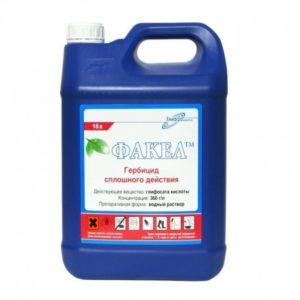
Work begins either early in the morning or in the evening on a dry, windless day. Although rain falling an hour after application does not affect the performance of the herbicide, it is best to choose a day when precipitation is not expected.

Precautionary measures
When working with any chemical, safety precautions must be observed. Always wear protective clothing, rubber gloves, and a respirator to prevent herbicide vapors from entering the respiratory system. After finishing work, wash your hands and face with detergent, take a shower, and launder your clothes.
If the solution accidentally comes into contact with your skin or eyes, rinse them with water and consult a doctor to avoid complications.
Degree of toxicity
The herbicide belongs to the 3rd toxicity class, that is, to moderately hazardous substances for both humans and animals, as well as honeybees and aquatic life.
Possible compatibility
If chemical-resistant weeds grow in the field, it is recommended to mix the herbicide with surfactants or mineral oils to enhance its effectiveness. Combined use with other products is permitted only after chemical compatibility testing.
How to store it correctly and for how long
The manufacturer's instructions state that the chemical's shelf life is 3 years from the date of manufacture. Store the product in a dry, dark storage area.
Analogues
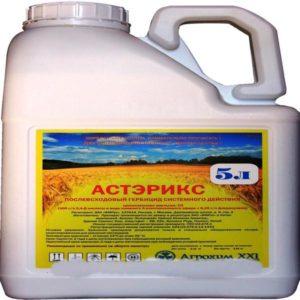
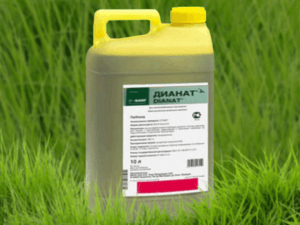
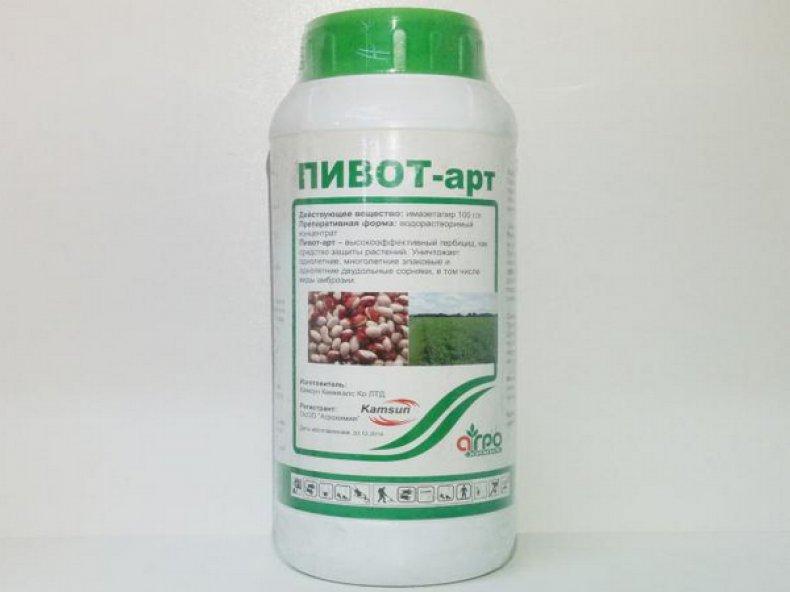
If necessary, Pivot can be replaced with drugs such as Sickle or Prado.
Related posts:
 Hermes herbicide instructions for use, dosage, and analogues
 Instructions for use and composition of the herbicide Aksifor, dosage and analogues
 Luger herbicide instructions for use, dosage, and analogues
 Instructions for use and composition of the herbicide Basis, application rates and analogues
 Composition and instructions for use of the herbicide Ballet, application rates and analogues
 Instructions for use and composition of the herbicide Fabian, application rates and analogues
 Composition and instructions for use of the herbicide Pilaraund, application rates
 Instructions for use and composition of the herbicide Callisto, dosage and analogues