
Special solutions are used to control various weeds in summer cottages and gardens. One such solution is the concentrated herbicide "Pylaround," which inhibits the growth and development of weeds and stops their reproduction. The solution is based on potassium salt, which effectively combats even the most resistant pests.
Composition and existing forms of release
The product is available on the market as a solution. The main active ingredient is glyphosate potassium salt. One cubic decimeter of solution contains 550 grams of salt. The herbicide is packaged in bottles and canisters of various sizes, allowing you to purchase the required amount of herbicide without excess.
Advantages and disadvantages
The advantage of the Pilaround herbicide is its high effectiveness. It provides maximum results when used during the period of most active pest growth. It destroys both annual and perennial weeds and combats persistent pests such as field thistle and bindweed.

Mode of action
After spraying, Pylaround penetrates plant cells, disrupting amino acid chains and cell wall permeability. This results in cell "melting," and the plant dies completely. The herbicide's action begins in the green parts and ends in the roots.

Calculation of consumption
Due to its high chemical toxicity, a small amount of the herbicide is used for treating large areas of land. For a 100 square meter area, no more than 2,000 milliliters of "Pylaround" is used. Improper application rates can lead to irreversible damage, chemical poisoning, and crop death.

The following volumes are used for processing:
| The required number of milliliters per 100 square meters | Type of crop being processed |
| 2000-4000 | Grapes, lemon, orange, fruit crops |
| 2000-5000 | Sugar beet, sweet and fodder corn |
| 2000-3000 | Potato |
| 2000-3000 | White cabbage, soybeans, sunflower |
| 3000 | Soil prepared for sowing flax |
| 500-600 | Alfalfa
|
Depending on the type of weed, the amount of the preparation also changes - when treating fields prepared for sowing various fruit crops, 2-3 liters of the preparation are used to combat annual pests, while this amount is doubled to combat perennial weeds.

How to prepare a working solution
To prepare the working solution, take 100 liters of water and the required amount of herbicide, based on the type of crop being treated. Pour a small amount of water into a container, add the herbicide, and mix thoroughly. Then, top up with clean water to bring the total volume to 100 liters and begin treatment.
Instructions for use
The instructions for using this herbicide are the same as for other similar products. The required amount of the substance should be calculated based on the type of weed, the crop being treated, and the size of the plot.
Prepare the working solution according to the table, then begin treatment. Dispose of any remaining solution after finishing.
Safety precautions
Due to the large amount of active ingredient in this product, certain safety precautions must be followed. When handling Pilaround, wear disposable gloves only, and dispose of them after use.
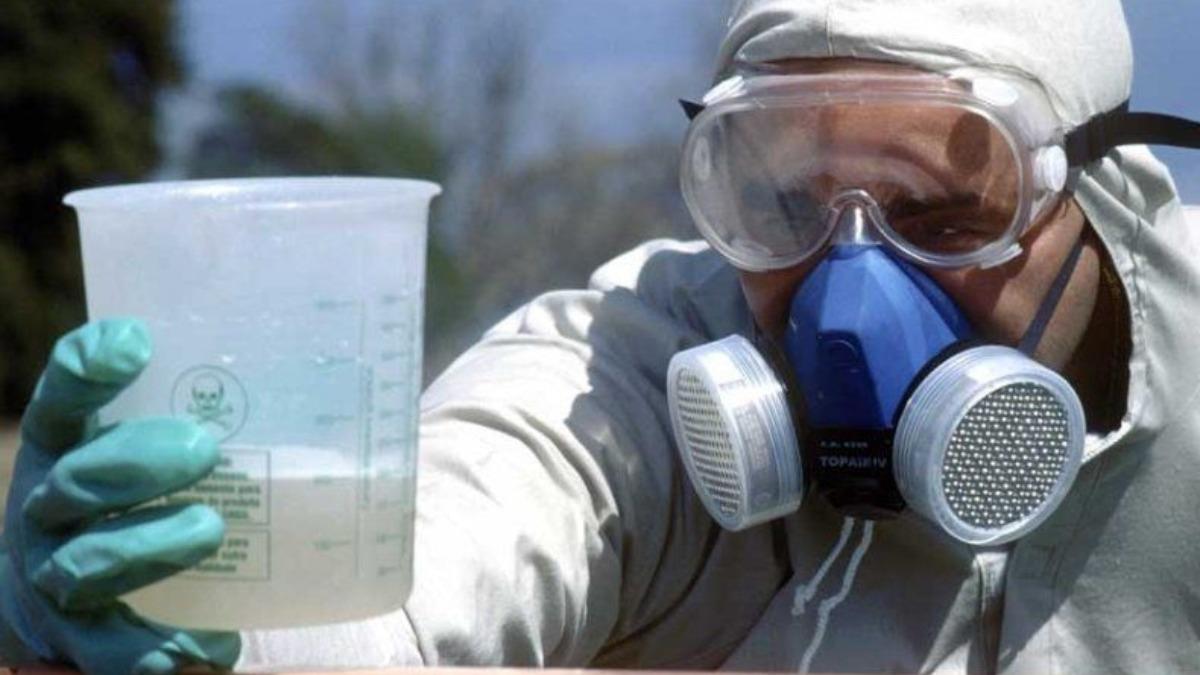
Protect your nose and eyes by wearing a respirator with a filter and plastic goggles. Work should only be performed while wearing protective overalls and rubber boots.
Degree of phytotoxicity
The herbicide's active ingredient penetrates any plant. Therefore, it is recommended to apply it before the seedlings emerge or after harvest. The product is classified as toxicity level 3 and is not hazardous to humans provided all handling instructions are followed. Disposal of any remaining working solution into open water is prohibited.

Possible compatibility
The use of herbicides with similar substances is permitted. In most cases, this is not necessary, as Pylaround is highly effective.
Storage rules and shelf life
The shelf life of the herbicide is 5 years from the date of production and packaging.
The substance should only be stored in a designated area. The area must be well ventilated or equipped with a dedicated exhaust system. Keep food, baby products, and animal feed away from the herbicide.
Analogues
Similar herbicides include substances containing glyphosate, such as Roundup, Chistogryad, Typhoon, and Santi.
Related posts:
 Instructions for use and composition of the herbicide Basis, application rates and analogues
 Hermes herbicide instructions for use, dosage, and analogues
 Instructions for use and composition of the herbicide Aksifor, dosage and analogues
 Instructions for use and composition of the herbicide Fabian, application rates and analogues
 Composition and instructions for use of the herbicide Ballet, application rates and analogues
 How to propagate and grow peas, cultivation technology, and care in open ground
 Description of varieties of sowing peas and cultivation, to which family they belong
 How to properly plant peas in a greenhouse and open ground