
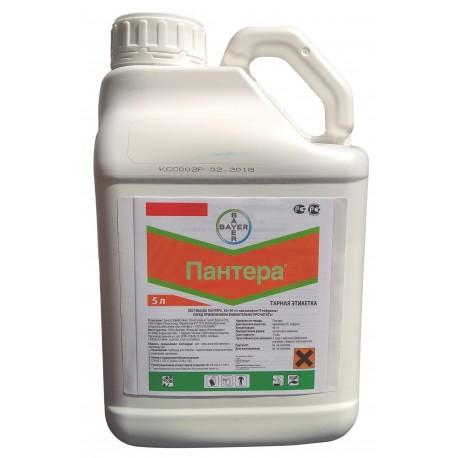
"Panther" is a selective herbicide that kills grass weeds. It does not harm crops, primarily affecting weeds at the early stage of their development. Before use, the herbicide is diluted with water according to the instructions. Do not increase the solution concentration without permission. The effectiveness of the product depends on the timing of its application. The earlier the application, the better.
Composition and existing forms of release
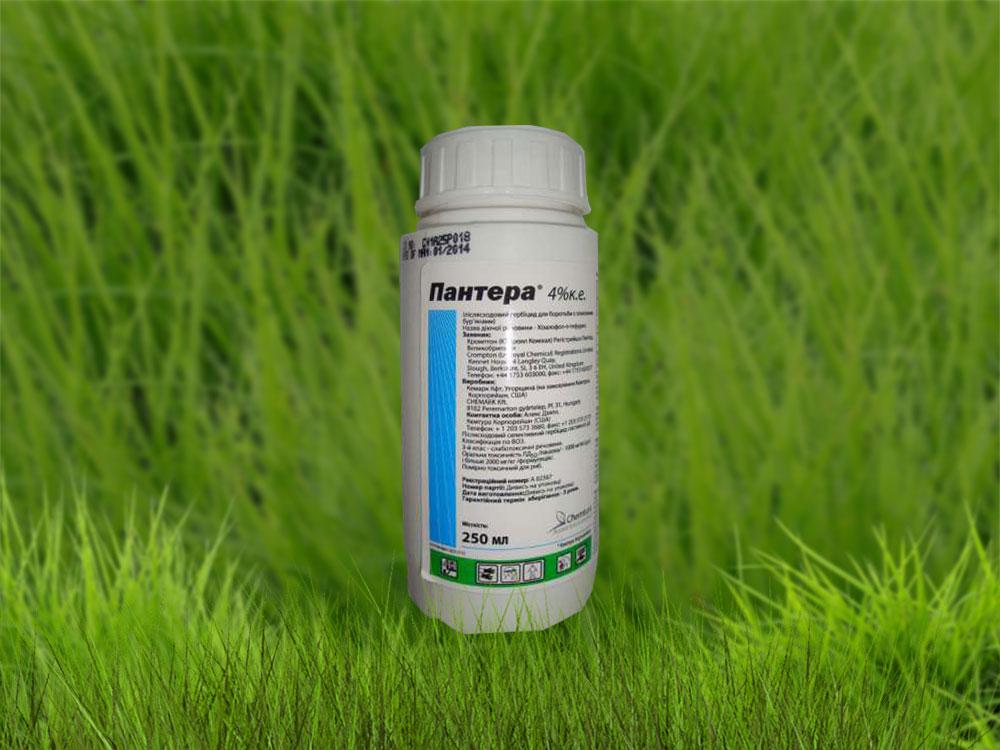
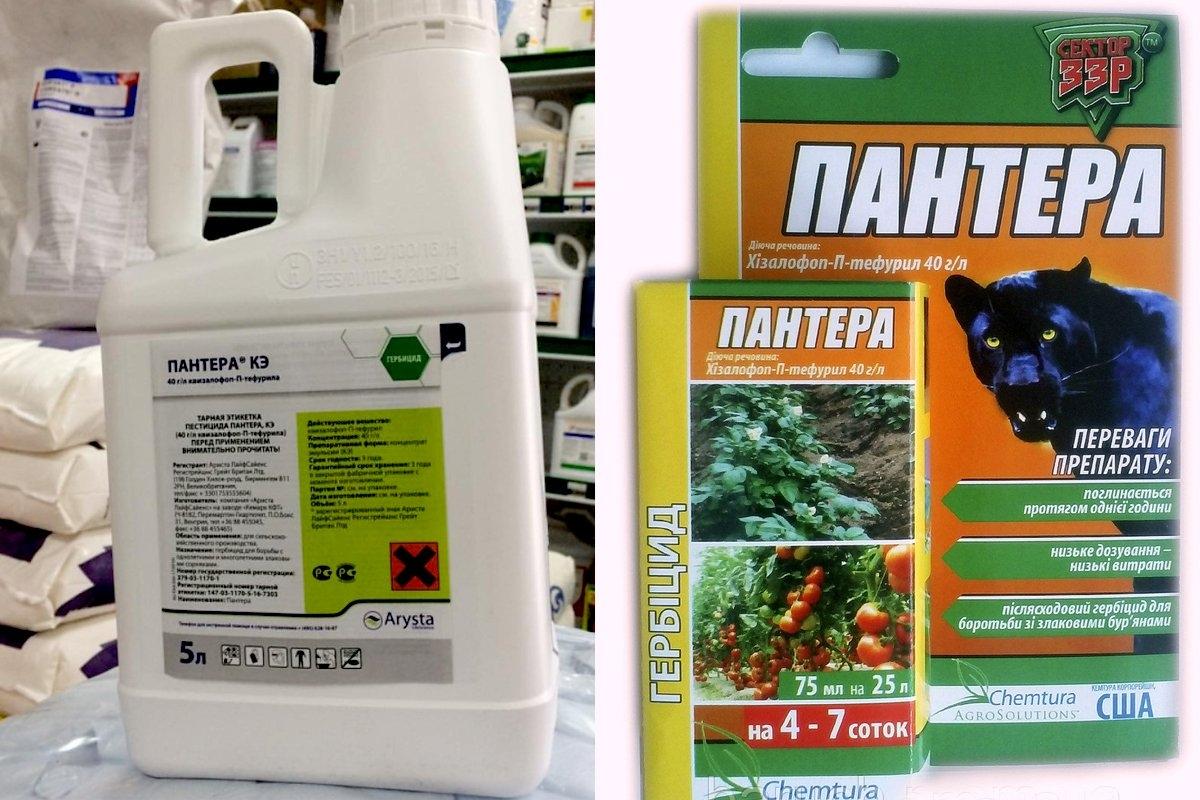
The selective herbicide "Panther" is used to protect crops from weeds. This product contains the active ingredient quizalofop-P-tefuryl. It is formulated as an emulsifiable concentrate (an oily substance). It is available in 100, 250, and 1,000 ml plastic bottles or 5-liter canisters.
"Panther" controls annual and perennial grass weeds, including couch grass. The herbicide is diluted with water before use at the dosage indicated in the instructions. It is applied post-emergence to carrots, tomatoes, potatoes, cabbage, and beets. Farmers use this herbicide to protect rapeseed, flax, soybeans, sunflowers, and peas from weeds.
Pros and cons
Mechanism of action
The active ingredient in the herbicide "Panther" affects weeds through direct contact. Within an hour of spraying, the product penetrates the weeds and acts at the cellular level. The weeds stop growing and developing and begin to wilt and dry out. The results are noticeable 4-5 days after applying "Panther." Weeds die within 2 weeks.
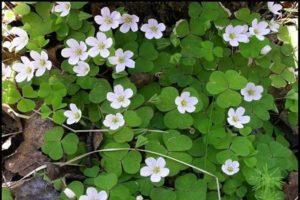
The herbicide is applied only after emergence. It is effective only against grass weeds. It is most effective when irrigated during the early tillering period of annual grasses, and also when perennials reach a height of no more than 15 centimeters.
Consumption rates for different plants
Table of consumption rates of the herbicide "Panther" for different crops:
| Culture | A type of weed | Herbicide application rate (liters per hectare) | Features of application | Number of treatments (interval) |
| Tomatoes, carrots, cabbage, potatoes, beets, onions, soybeans, flax, rapeseed, sunflower | Annual cereals | 0.75-1 | Spraying weeds at the 2-4 leaf stage. The spraying fluid consumption rate is 200-300 liters per hectare. | 3 (45-60 days) |
| Tomatoes, carrots, cabbage, potatoes, beets, onions, soybeans, flax, rapeseed, sunflower | Perennial cereals | 1-1.5 | Spraying grass up to 10-15 cm high. Working fluid consumption is 200-300 liters per hectare. |
3 (45-60 days) |
| Peas for grain and peas for industrial processing | Annual cereals | 0.75-1 | Spraying weeds at the 2-4 leaf stage. The spraying fluid consumption rate is 200-300 liters per hectare. | 3 (45-60 days) |
| Peas for grain and peas for industrial processing | Perennial cereals | 1-1.5 | Spraying grass up to 10-15 cm high.
Working fluid consumption is 200-300 liters per hectare. |
3 (45-60 days) |
For small farms, a smaller amount of herbicide is diluted. Typically, 100 ml is diluted in 25-30 liters of water. This solution is sufficient to irrigate 10 acres. The more weeds there are, the more concentrated the mixture. Weeds are treated at the initial stage of development. No more than three sprayings are carried out per season. An interval of at least 30 days is essential.
Preparation of working solution
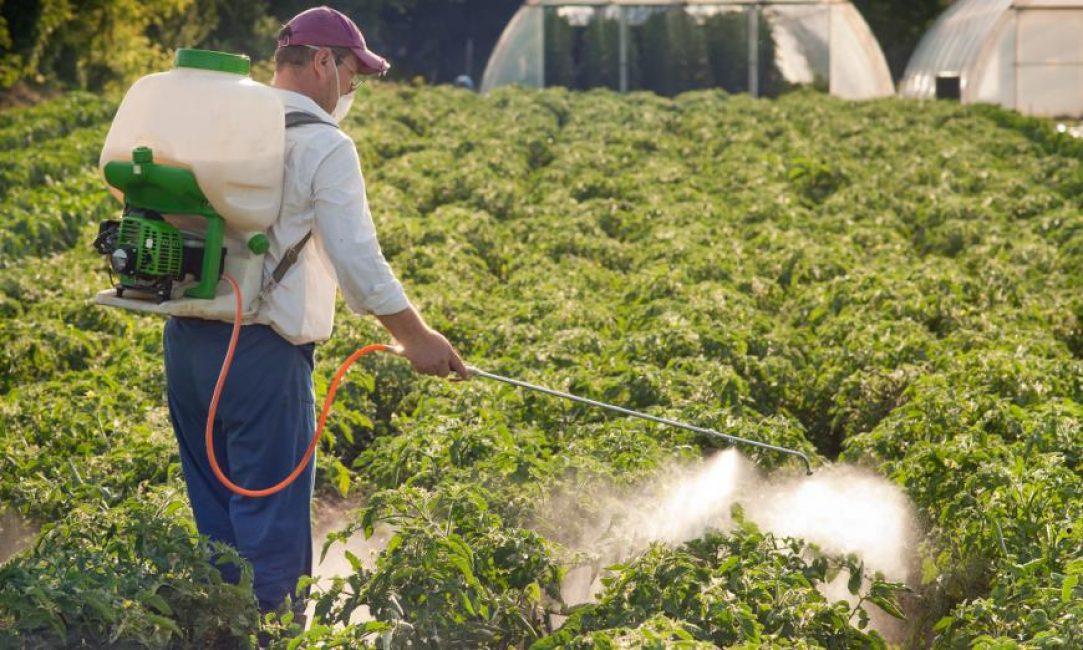
The herbicide "Panther" can be used on large and small farms, as well as in summer cottages. Large agricultural companies use self-propelled or trailed sprayers to treat their fields. In these cases, the herbicide is often mixed with other pesticides. Summer residents treat their gardens using hand-held sprayers or battery-powered sprayers.
When preparing the solution, the herbicide must be thoroughly mixed with water. The mixer on the self-propelled equipment should also be running while irrigating the field. The prepared master batch is poured into a sprayer tank half-filled with water. Use clean, soft liquid at room temperature. Finally, add the required amount of water to the sprayer tank, as per the instructions.
Instructions for use
Herbicide treatments are carried out at any stage of crop development. "Panther" is effective only against weeds during their initial growth phase. Weeds are sprayed with the herbicide solution early in the morning (after the grass has dried) or in the evening (after bees have begun to fly actively). Field treatments are carried out in dry, cloudy, windless weather.
It is prohibited to spray in extreme heat, rain, hurricanes, during the day, or during the period of active bee flight.
Safety precautions at work
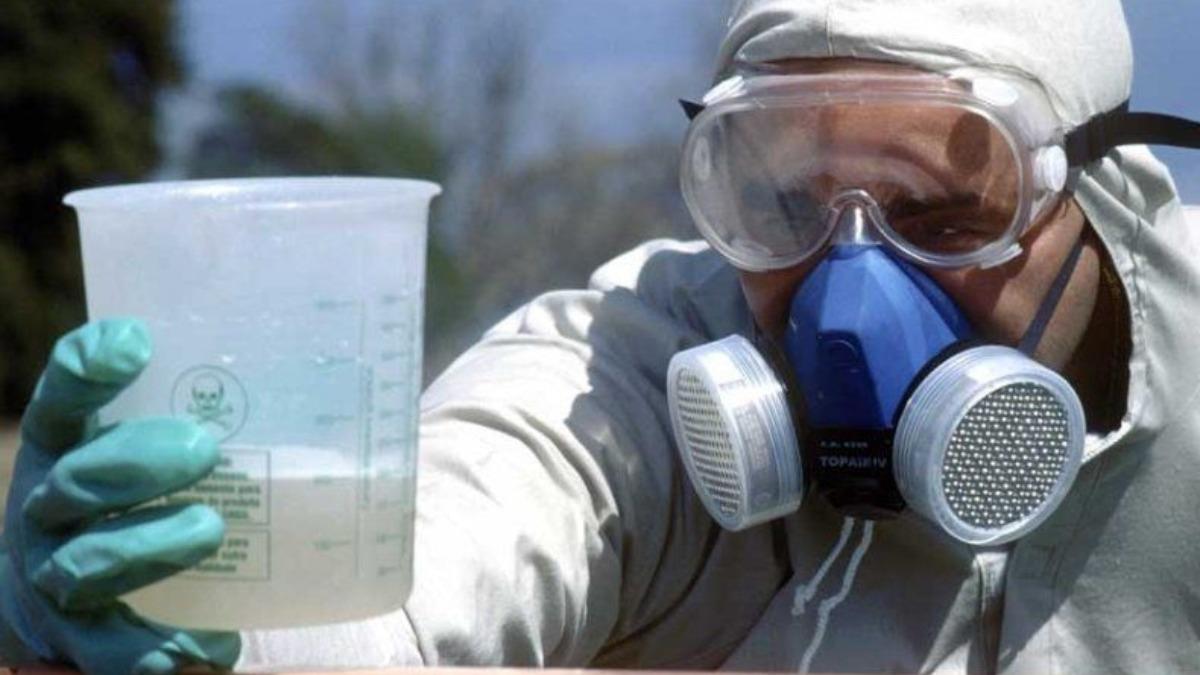
When preparing the stock solution and spraying the field, it is recommended to wear a protective suit, respirator, rubber gloves, boots, and goggles. Inhaling the herbicide vapors or ingesting it is prohibited. In case of poisoning, induce vomiting, take an adsorbent, and seek medical attention. If the herbicide comes into contact with skin, immediately rinse the affected area with plenty of water. Do not pour any remaining solution into a body of water. Crops should not be sprayed during the active bee season. The final field treatment should be carried out one month before harvest.
Is compatibility possible?
The herbicide "Panther" can be combined with other crop protection products. This herbicide can be tank-mixed with "Betanal AM" (desmedipham), "Lontrell" (clopyralid), and "Bazagran" (bentazone). When using several products together, the application rate of each is reduced by 10-30 percent.
Storage rules and shelf life
Panther herbicide should be used within 3 years of its production date. The working solution should be prepared on the day of application and should not be stored for more than 24 hours. It is best to keep the herbicide in its original packaging out of the reach of children. It is recommended to store Panther in a cool, dry warehouse at room temperature.
Similar means
In addition to the herbicide "Panther," other products can be used to protect fields from grass weeds. Similar products include "Bagheera," "Lemur," and "Healer." These herbicides contain quizalofop-P-tefuryl, meaning they have the same activity as "Panther."
Related posts:
 Composition and instructions for use of the herbicide Ballet, application rates and analogues
 Top 10 Systemic Herbicides and How to Choose the Right One
 Instructions for use and composition of the herbicide Helios, dosage and analogues
 Instructions for use and composition of the herbicide Axial, dosage and analogues
 Luger herbicide instructions for use, dosage, and analogues
 Instructions for use and composition of the herbicide Lornet, application rates and analogues
 Instructions for use and composition of the herbicide Hacker, application rates and analogues
 Instructions for use and composition of the herbicide Puma Super 100, application rates