
- Composition, dosage form and purpose
- Operating principle
- How quickly does it help and the signs of its effect?
- Advantages of the product
- How to prepare a working mixture
- Instructions for use
- Precautionary measures
- How toxic is it?
- Possible compatibility with other anti-dicotyledonous drugs
- Expiration date and storage conditions
- Analogues
When gardeners or summer residents sow their vegetables in the spring, they expect a bountiful harvest. However, the spread of weeds often reduces the expected yield. The complex herbicide "Karibu" eliminates most weeds. When using the product, be sure to follow the manufacturer's instructions.
Composition, dosage form and purpose
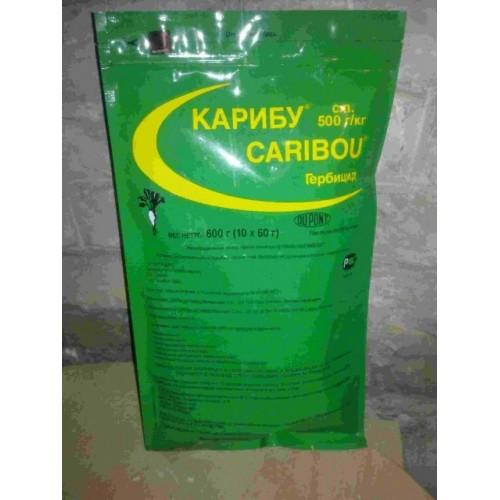
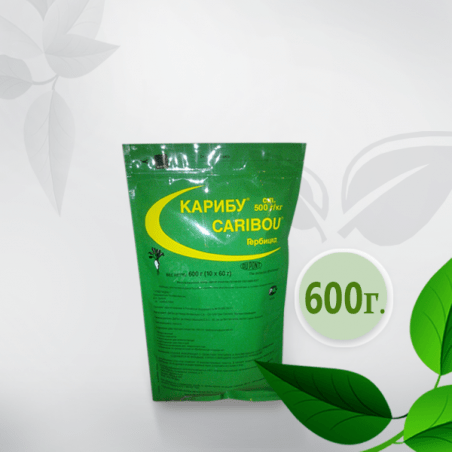
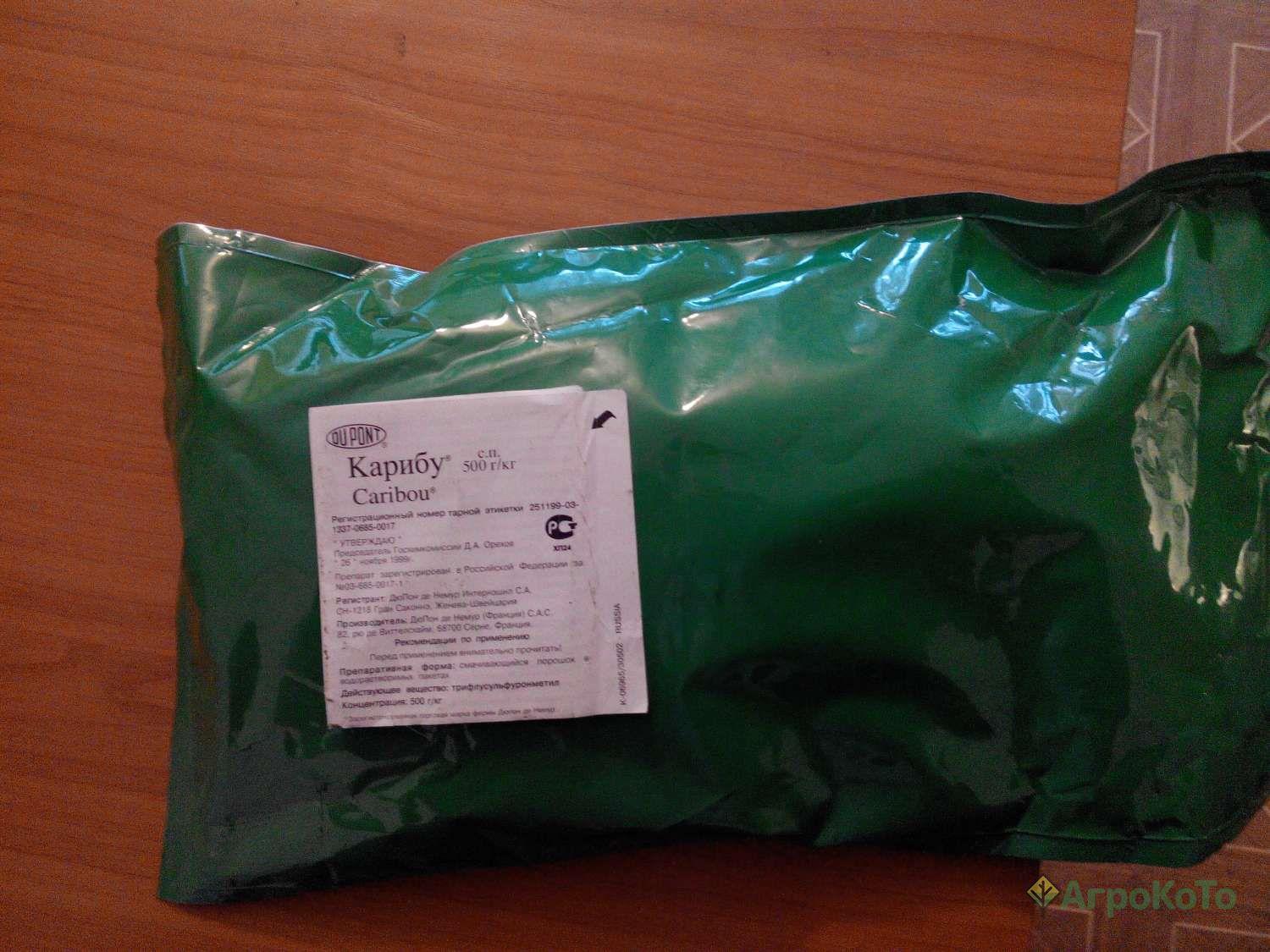
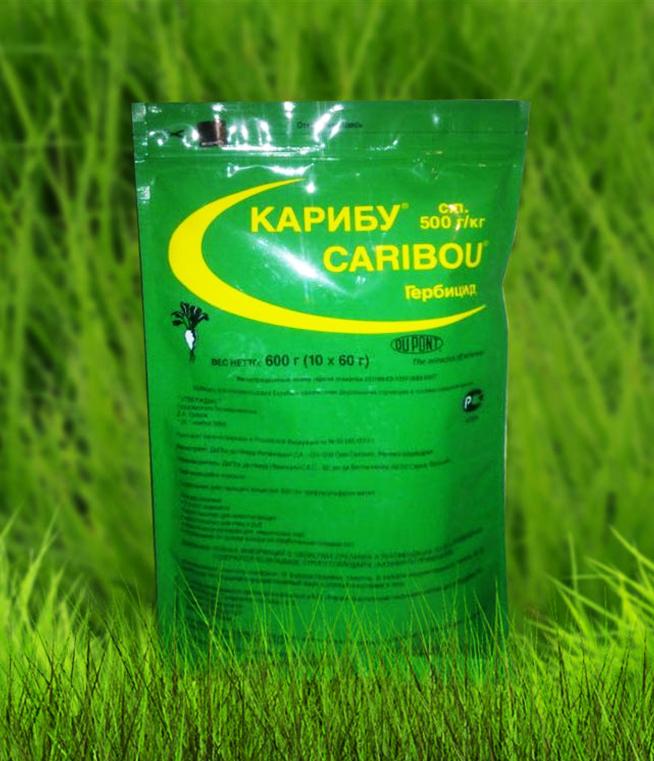
The herbicide is available as water-soluble granules packaged in plastic jars (0.1 and 0.6 kg). The active ingredient is triflusulfuron-methyl (500 g/kg). "Karibu" is used to control the following weeds: sow thistle, shepherd's purse, yellow mignonette, milkweed, common ragweed, knotweed, field bindweed, mignonette, quinoa, nettle, and black nightshade.
Operating principle
The product's comprehensive action on weeds is what makes it so effective. When applied to a site, the aqueous granule solution is absorbed by both the leaves and, to some extent, the weeds' root system. The active ingredient penetrates the surface of leaves and stems, inhibiting plant cell growth.
How quickly does it help and the signs of its effect?
The broad spectrum of action on weeds and rapid penetration of the active ingredient cause weed growth to cease within 2-3 hours after pollination. Visual symptoms of weed wilting can be observed within 3-4 days. After 2-3 weeks, the treated area can be easily cleared of dried weeds.
Advantages of the product
The herbicide "Karibu" is used primarily to control weeds in sugar beet crops. The product also offers other advantages:
- easy to use;
- highly effective weed removal;
- since the product is water-soluble, there are no problems with container disposal;
The effectiveness of the substance is maintained when treating the area in any weather conditions (drought or high soil moisture).
How to prepare a working mixture
To avoid reducing the herbicide's effectiveness, it's best to prepare the solution immediately on the day of use. To simplify the process, we recommend pouring the granules directly into a spray bottle filled 1/3 to 1/2 full with water. Shake the solution for a few minutes to speed up the dissolution process, and then fill the container completely with water.
Instructions for use
When preparing the mixture, it's important to determine in advance which weeds you'll be targeting. To ensure the correct solution is prepared, follow the manufacturer's instructions.
| Types of weeds | Nuances of using the solution |
| Annual dicotyledonous weeds | Plants are treated at the cotyledon stage (two true leaves). Treatment is repeated after 1-2 weeks (the second wave of weeds is at the two true leaves stage). |
| White goosefoot, amaranth, annual dicotyledonous weeds | Apply at the cotyledon stage (two true leaves). Repeat treatment after 1-2 weeks (second and third waves of weeds at the two true leaf stage). The working mixture is prepared using desmedipham and phenmedipham. |
Precautionary measures
The product's unique feature is its rapid decomposition. If crop rotation is taken into account, other crops can be planted as early as the fall or next spring.
How toxic is it?
In terms of toxicity (relative to bees and mammals), the product is classified as Class 3. When considering phytotoxicity, it's important to note that beet metabolism slows down 4.5-5 hours after spraying, provided the treatment temperature is below 10°C or above 25°C.
As a result, a distinctive yellowing and mottling of the sprayed foliage is observed. However, within a week or two, the foliage color returns, and there is no negative impact on the further development of the plants.
Possible compatibility with other anti-dicotyledonous drugs
Karibu's performance guarantees compatibility with most other pesticides. If you follow the instructions for mixing solutions, the product's effectiveness will not be compromised.
Expiration date and storage conditions
The manufacturer guarantees a 3-year shelf life for the capsules. However, it's important to keep in mind that the capsules are water-soluble. Therefore, the medication should be stored in a dry, ventilated area. Capsule containers should be tightly sealed. Ideally, use the original packaging.
Analogues
Various products can be used to protect plants from weeds. The following herbicides work similarly: Salsa and Task Extra.
Thanks to the herbicide "Karibu," weed control in your garden is effortless. Because it is selective against weeds, it does not harm crops.
Related posts:
 Classification, selection and application of herbicides for beet treatment
 The best eggplant varieties for growing in a polycarbonate greenhouse: planting and care
 Instructions for use and composition of Glyphora for weed control, dosage, and analogues
 Types of herbicides for weeds and which ones are best to use, examples
 How to make a garden bed from scratch without grass and weeds: ideas and methods with and without weeding
 Hermes herbicide instructions for use, dosage, and analogues
 Agrostar instructions for use, herbicide composition, dosage, and analogues
 Instructions for use of Cassius and the herbicide composition, dosage, and analogues