
- What weeds grow in vegetable gardens?
- Instructions for creating a weed-free garden bed
- Use of herbicides
- Mechanical methods
- Carrying out mulching
- How to process with fire
- What green manure will help?
- Traditional methods and recipes
- Alcohol solution
- Boiling water
- Vinegar
- Soda
- Salt
- Recommendations from professionals
Every gardener wants perfect, weed-free garden beds. Fighting unwanted vegetation takes a lot of time and effort. Not only does it spoil the appearance of the plot, but it also depletes valuable nutrients and moisture from the plants. Therefore, many gardeners are interested in the pressing question of how to create a weed-free garden bed from scratch. There are many methods that can help prevent weeds from appearing.
What weeds grow in vegetable gardens?
To produce a full harvest, the soil must be regularly watered and fertilized. However, this not only leads to the growth of crops but also to the emergence of weeds. These weeds grow and spread rapidly. Consequently, they absorb a lot of water and nutrients. Crop plants often lose out in this competition.
The most common types of grass that appear on plots are:
- thistle;
- ambrosia;
- bindweed;
- Highlander;
- spurge;
- field fire;
- nettle;
- woodlouse;
- couch grass;
- plantain;
- thistle.
Instructions for creating a weed-free garden bed
To combat unwanted hair growth, it's important to follow a number of recommendations. Today, there are many ideas available that can help you achieve the desired results.
Use of herbicides
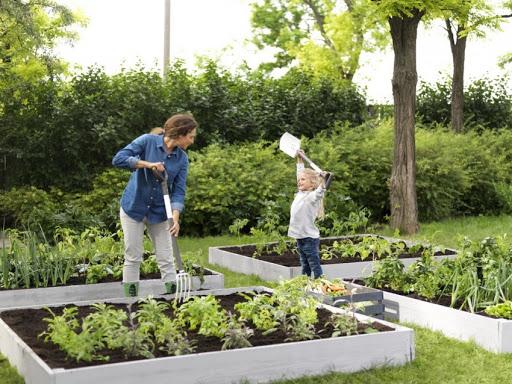
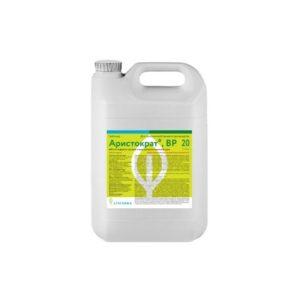
This method helps eliminate weeds without weeding. Herbicides provide a quick response. Effective products include Roundup, Lontrel, and Lazurit. They are selective, targeting only weeds. They also do not harm crops.
You can purchase the herbicide at any seed or fertilizer store. Before use, the mixture must be mixed with water at a specific dosage. Typically, fields should be treated in early spring, either before or after planting.
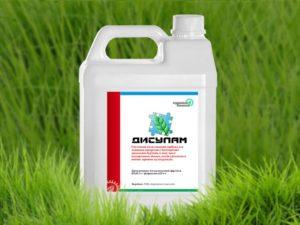
Herbicides are used to spray young grass. The chemicals burn it or cause it to wilt. They disintegrate completely within a few weeks. A field is typically treated only once per season.
Mechanical methods
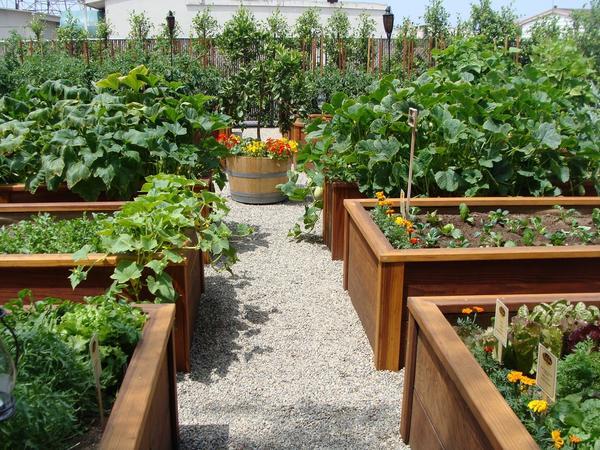
To get rid of unwanted weeds, you can use mechanical methods. The easiest way is to cut the weeds down to the roots. However, they will reappear after a while. If new weeds grow, they will need to be removed again.
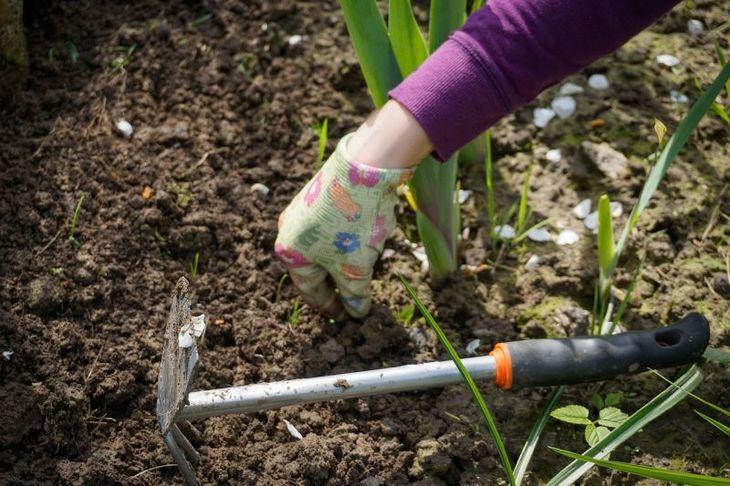
Perennials are removed by mowing. Annual grasses can be removed by weeding, which involves pulling them out of the soil by the roots. Weeding beds can be done with a hoe or a Fokin flat-plow.
Carrying out mulching
All plants need sunlight. Covering the soil with agrotextile or dark film will stop weed growth. This not only helps control sprouts but also destroys the weed roots.
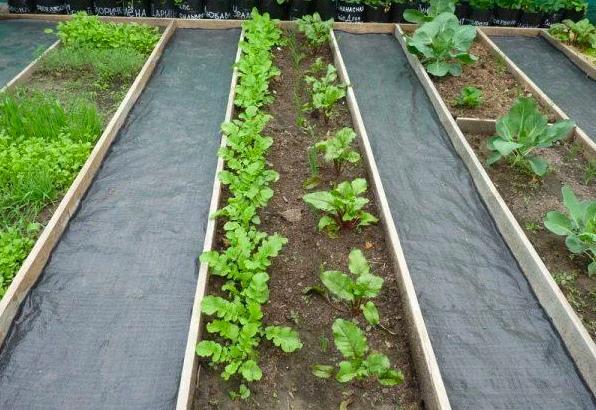
The covered soil will need to be watered and fertilized. Sawdust, bark, and straw are acceptable mulches. Hay is also excellent for this purpose.
How to process with fire
You can kill weeds with fire. This should be done in dry weather. To do this, take a blowtorch and walk around the garden, setting the weeds on fire.
This procedure is recommended in early spring, before planting vegetables. It can also be performed in late fall, after harvesting. A gliding flame is suitable for weed control. The flame should lightly touch the plants. Setting the soil on fire is prohibited, as this poses a fire risk.
What green manure will help?
If you don't plan to plant crops in the beds, you can sow green manure. These provide weed control, help loosen the soil, and enrich it with nitrogen. Some of these plants are also effective against diseases and pests.

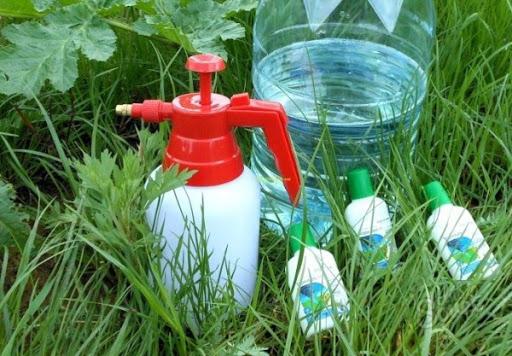
Well-known green manures include:
- Vetch, clover, and phacelia are beautiful plants that will bloom all summer long.
- White or yellow mustard – distinguished by beautiful blooms and promotes soil health. It effectively combats nematodes. It is recommended to plant these plants after potatoes.
- Oilseed radish, sunflower, and lupine are suitable for the Moscow region. They have long roots and help loosen heavy, clayey soil.
Green manure crops can be mown during the summer and used as mulch. They can also be left in the beds, providing additional soil nutrition.
Traditional methods and recipes
Folk remedies can help control weeds. Garden beds can be treated with various compounds. If applied correctly, they won't harm the soil.
Alcohol solution
This method was first used in the United States in the 1930s. It involves watering the beds with an alcohol solution in early spring. To do this, use one bottle of vodka per bucket of water. After applying the solution, weeds sprout vigorously, but they are immediately weeded. After this, you can begin planting.

Boiling water
This remedy should be applied in early spring. Boiling water completely burns all weed seeds located on the soil surface. Hot water can also be used to remove weeds located near garden paths.
Vinegar
Vinegar with a 9% concentration is suitable for weed removal. However, it is only approved for use on garden paths. To prepare the solution, mix equal parts vinegar and water. A 2:1 or 3:1 concentration is also acceptable. The more weedy the field, the higher the concentration. The solution should be used in dry, windless weather. Liquid soap can be added to the mixture.
Soda
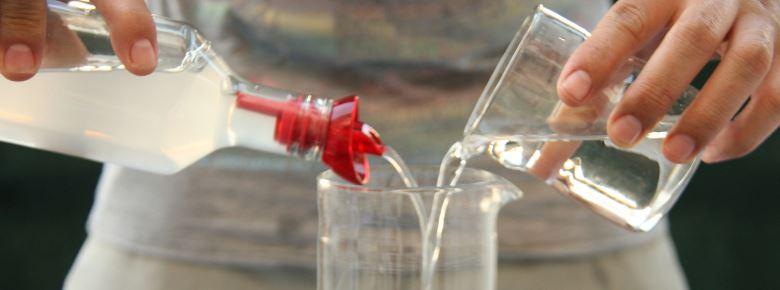
For spraying weeds, it's recommended to use a baking soda solution. To do this, mix half a package of baking soda with 10 liters of water. You'll also need a little liquid soap to improve the solution's adhesion. This solution is recommended for use during the initial stages of weed growth.
Salt
To kill unwanted vegetation, sprinkle the dry substance on garden paths, stumps, and paved areas. Cover these areas with plastic wrap to prevent the salt from becoming soggy.
To water the beds, you need to make a solution. Add a packet of salt to one bucket of water. You can also add liquid soap and 500 milliliters of vinegar.
Recommendations from professionals
To combat weeds, you should follow these rules:
- Before planting, dig up the beds and remove weed rhizomes;
- use mulch - film or gravel are suitable for this;
- plant ground cover plants - these include periwinkle, mint, nasturtium;
- weed or mow;
- use herbicides - they are applied once at the initial stage of weed development;
- Use drip irrigation – this will help prevent water from spreading throughout the entire area and leading to the death of weeds from drought.
Creating a weed-free garden bed can be accomplished using a variety of methods. Chemicals and mechanical methods are used. To achieve the desired results, it's important to strictly follow the procedure.
Related posts:
 The best eggplant varieties for growing in a polycarbonate greenhouse: planting and care
 Carrot care guidelines for outdoor cultivation to ensure a good harvest
 How to control carrot flies with medications and folk remedies
 Methods for planting and propagating cherries at home
 How and when to plant onions to get large bulbs
 Causes and treatment of eggplant pests and diseases, how to combat them at home
 How to make a cucumber bed in open ground with your own hands, types
 What is mulch and how to use it correctly, the benefits of the procedure