
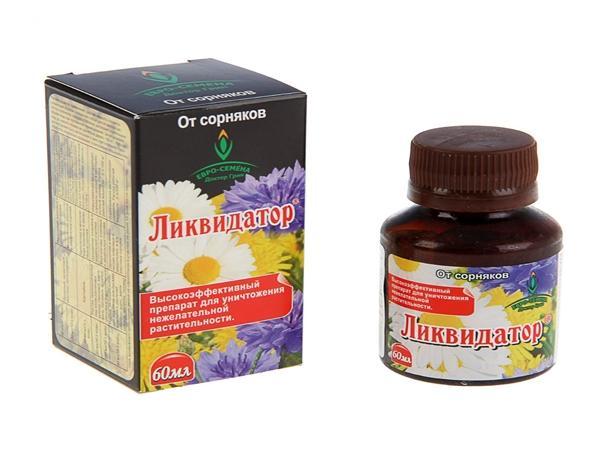
Weeds hinder the full growth and development of cultivated plants, so amateur gardeners and farmers growing fruit crops on a commercial scale are forced to resort to chemicals to control them. The instructions for the weed killer "Liquidator" state that the product has a broad-spectrum action and effectively kills both annual and perennial weeds.
Composition, dosage form and purpose
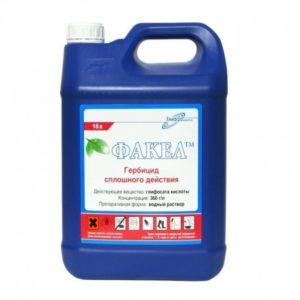
This highly effective, all-purpose herbicide, developed by domestic manufacturers, contains a single active ingredient: the isopropylamine salt of glyphosate, with 480 grams of the active ingredient per liter.
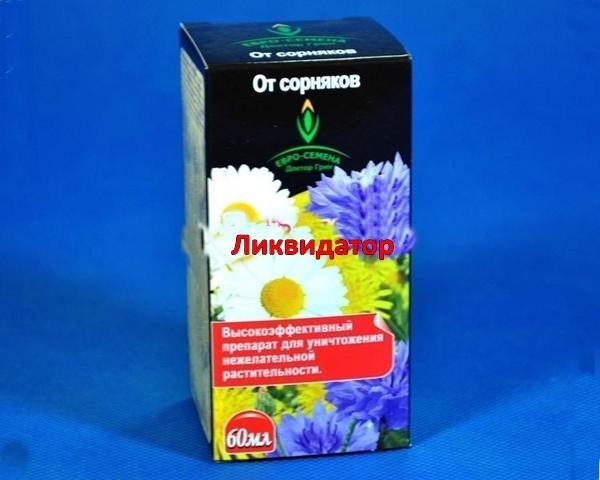
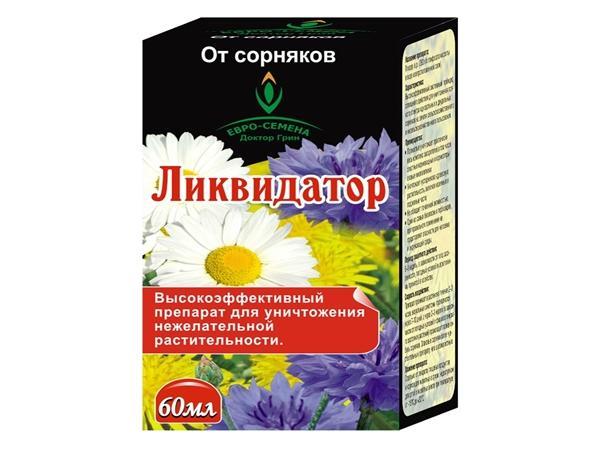
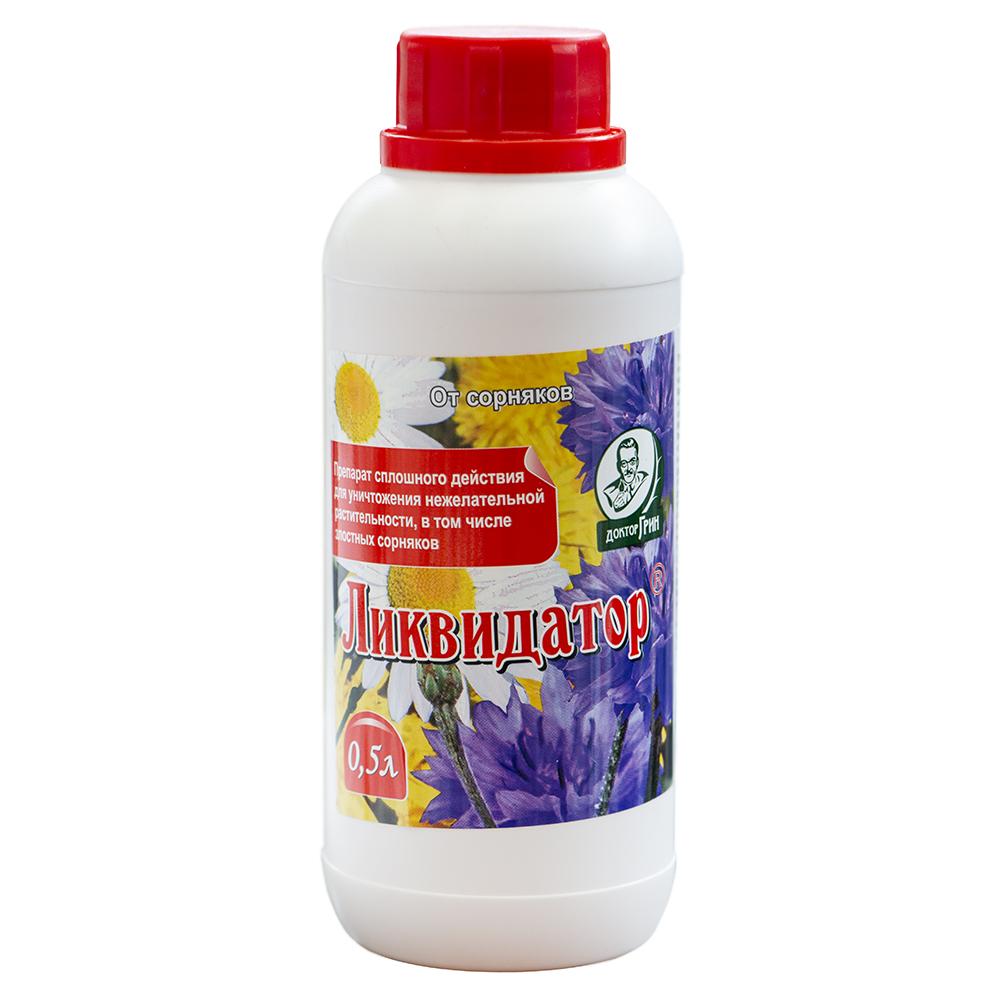
The herbicide "Liquidator" is sold in the form of a soluble concentrate, which is packaged in 100 ml plastic bottles, which is convenient if you need to treat a small area.
Mechanism of action
After treating weedy areas, the herbicide's active ingredient penetrates the weeds' leaves and stems, and from there, travels to their roots. Liquidator works by inhibiting weed photosynthesis.
Some time after the isopropylamine salt enters the weed cells, the first signs of damage are observed—yellowing of the foliage, drying out, and wilting. Depending on the weed's sensitivity to the active ingredient, final death occurs within 2 or 3 weeks after application.
Pros and cons
Gardeners and farmers who tested the systemic herbicide on their plots noted several advantages of the chemical that distinguish it from other similar preparations designed to combat weeds.
The advantages of "Liquidator" include:
- convenient packaging of the herbicide, allowing the product to be used for treating small areas;
- rapid destruction of a wide range of both annual and perennial weeds;
- the possibility of using “Liquidator” in tank mixtures with other herbicide preparations after conducting a chemical compatibility test;
- impact not only on the above-ground part of weeds, but also on their root system;
- rapid decomposition in the soil and no impact on subsequent crop rotation;
- the possibility of using the chemical both in spring and autumn;
- moderate toxicity to humans and warm-blooded animals;
- relative stability of the active substance to the effects of atmospheric precipitation;
- possibility of use as a desiccant.
According to gardeners and farmers, this herbicide has no disadvantages.
Calculation of consumption
Correct calculation of the "Liquidator" consumption rate allows achieving the manufacturer's stated effectiveness in destroying weeds.
The application rates of chemicals for each crop plant are shown in the table:
| Cultivated plant | Weeds | Herbicide consumption |
| Grapes and other fruit crops | · annuals; · perennials. |
· 50 ml of chemical per 100 square meters of area;
· 100 ml of herbicide per 100 square meters. |
| Flowers and other ornamental plants | annual and perennial weeds | from 50 to 100 ml of chemical agent per hundred square meters of area. |
How to prepare a working mixture
Prepare the working solution for treating the beds immediately before beginning work to ensure the active ingredient remains effective. Pour approximately 5 liters of clean water into a plastic container that will not be used for storing food or harvested crops. Then, add the manufacturer's recommended dose of the chemical and mix thoroughly. Once the herbicide has completely dissolved, add another 5 liters of water and mix again.
Pour the prepared liquid into the sprayer and begin treating the beds.
Instructions for use
It is recommended to begin work in dry, windless weather. The systemic herbicide is most effective when perennial weeds reach a height of 15 cm, and annual weeds have developed 4 to 6 true leaves.
Check the weather forecast; at least 5 hours must pass from the moment the area is treated before precipitation begins.
Safety precautions and how toxic is it?
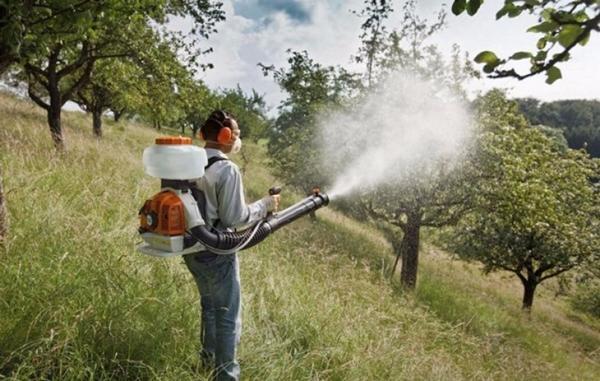
Although the herbicide "Liquidator" belongs to toxicity class 3 and poses little risk to humans and warm-blooded animals, safety precautions must be observed when working with the chemical. Protect your entire body with protective coveralls to prevent any drops of the solution from coming into contact with your hands, and wear rubber gloves.
If the working solution accidentally comes into contact with the skin or eyes, immediately rinse with plenty of water and take the victim to the hospital for first aid.
Is compatibility possible?
"Liquidator" is approved for tank mixing with sulfonylurea and phenoxy acid herbicides. It exhibits excellent compatibility with these herbicides. When using the chemical with other herbicides, a chemical compatibility test is required.
Storage conditions and periods
The expiration date stated in the instructions is 5 years from the date of manufacture. It is recommended to store the herbicide in a separate utility room, away from direct sunlight. The air temperature should not exceed 30 degrees Celsius.
Similar means
If Liquidator is not available for sale, it can be replaced with similar products, such as Napalm or Roundup.
Related posts:
 How to propagate and grow peas, cultivation technology, and care in open ground
 How to properly plant peas in a greenhouse and open ground
 Description of varieties of sowing peas and cultivation, to which family they belong
 Instructions for use of the fungicide Topaz for plants, composition and analogues
 Instructions for use and composition of the herbicide Puma Super 100, application rates
 The best grape varieties for growing in the Urals, planting and care rules in summer
 Description of acaricides, their mode of action on plants and the best remedies
 Methods for planting and propagating cherries at home