
- Plant characteristics
- Its chemical composition
- What medicinal properties does it have?
- What are the stems and leaves used for?
- What is the use of the root?
- Who should use it?
- Use in traditional medicine recipes
- Sow thistle juice
- Use of the decoction
- What is the infusion for?
- Tincture of sow thistle in alcohol
- Honey product from sow thistle
- Culinary uses
- Who is it contraindicated for and can it cause harm?
Sow thistle is considered a weed, and efforts are made to eradicate it as quickly as possible. However, it can be used not only as livestock feed but also as a useful plant. Let's explore the beneficial properties of sow thistle, its composition, the uses of its leaves and roots, the use of its juice, infusion, tincture, and decoction in folk medicine, and its suitability for cooking. We'll also explore contraindications and potential harm.
Plant characteristics
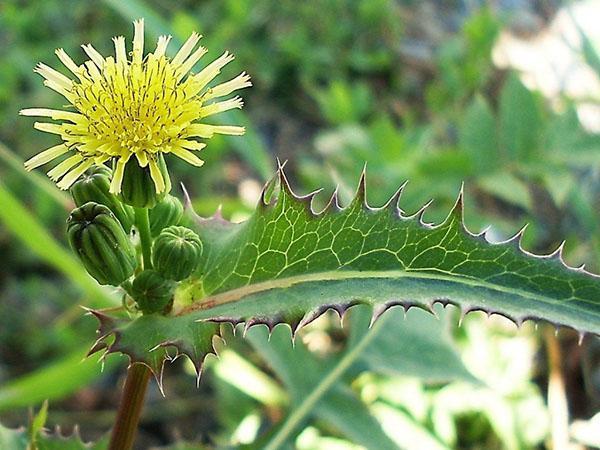
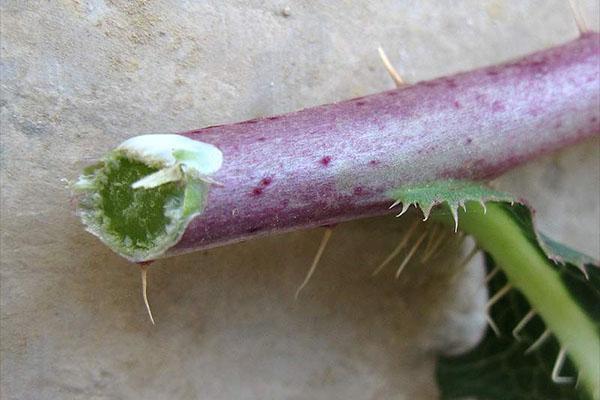
Sow thistle is an annual or perennial species belonging to the Asteraceae family. Mature plants reach 0.25-1 m in height. The branched stem and serrated leaves contain a milky white sap; bright yellow flowers bloom all summer long, collected in heads. Each sow thistle plant can produce over 6,000 seeds; after ripening, these scatter in all directions, ensuring the rapid spread of the weed. Its powerful roots extend more than 2 m into the ground, and the aboveground portions regenerate readily after cutting.
Its chemical composition
The plant has little nutritional value, but is of interest as a source of minerals and vitamins. It contains alkaloids, which are responsible for its medicinal properties, organic acids, saponins, fatty oils, tannins, hormones, and a small amount of rubber in the juice.
What medicinal properties does it have?
Sow thistle has not found application in official medicine, but in folk medicine it is used to prepare remedies in various medicinal forms for the prevention and treatment of pathologies of internal organs and skin.
What are the stems and leaves used for?
The stems and leaves of the sow thistle plant are harvested when the plant begins to bloom. After flowering, they become coarse. They are dried indoors in partial shade with constant ventilation. The leaves have anti-inflammatory, immunomodulatory, analgesic, bactericidal, diuretic, and laxative properties. Sow thistle-based remedies have a tonic and regenerative effect, reduce fever, cholesterol, lower blood sugar, have a calming effect on muscles and the nervous system, prevent tumors, and cleanse parasites.
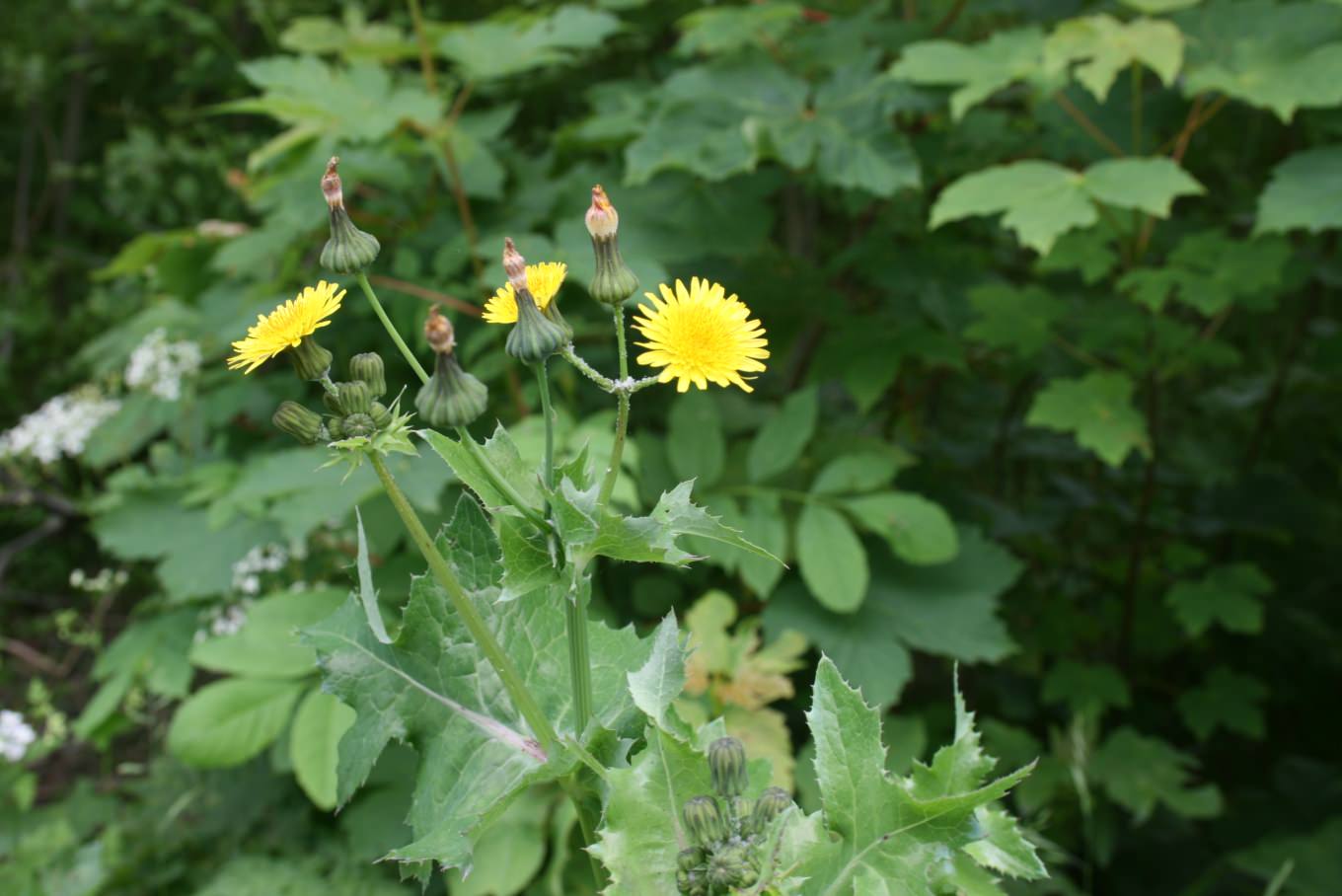
The leaves and soft stems of the garden sow thistle can be used for inflammatory pathologies to reduce fever and pain, for the treatment of hepatitis, mild burns, wounds, and skin diseases.
What is the use of the root?
Sow thistle roots contain concentrated bioactive substances and alkaloids. A tincture made from the roots is used to treat hypertension, diabetes, kidney inflammation, gastrointestinal tract diseases, and liver disease.
Who should use it?
Sow thistle remedies can be taken by healthy people to prevent illnesses and by sick people to treat existing ones. Folk remedies can be used as a primary or complementary treatment to medications prescribed by a doctor.
Use in traditional medicine recipes
Fresh juice, decoction, infusion, alcohol tincture, and even honey are made from sow thistle. These products share common properties, but their purposes are different.
Sow thistle juice
Fresh leaf juice is used to treat and heal skin conditions, burns, and wounds, as well as to remove warts. Apply the juice to the wounds several times a day. It also acts as a diuretic and laxative; for this purpose, take 1 teaspoon of the juice with meals.
The juice is used for poisoning with plant-based toxins, and mixed with the yolk to treat breast tumors. Nursing women are advised to drink milk with sow thistle juice (1 teaspoon) and sugar.
Use of the decoction
For 50 grams of dried leaves, add 1 liter of boiling water and simmer for 10 minutes. Drink 1 tablespoon during meals for liver and lung ailments, stomach ailments, nephritis and hepatitis, nervous disorders, colds, headaches, or simply as a tonic. Externally, it can be used for purulent wounds and rashes, and as poultices and compresses.
What is the infusion for?
Steep 1 tablespoon of crushed leaves in 200 liters of boiling water for 0.5 hours. Drink 1 tablespoon 5 times daily for inflammation of the stomach and gastrointestinal tract, liver, and kidneys. Take it to relieve headaches, strengthen blood vessels, boost immunity, and normalize blood pressure.
An infusion of the plant is used to rinse the mouth if gums are bleeding, for periodontal disease, or for bad breath; it is poured into a basin of hot water and used to steam the feet to reduce sweating and cure fungus.
To strengthen your body, you can make a simple tea from the leaves: pour 1 teaspoon of the herb into a cup of boiling water, let it steep for 20 minutes, and drink it in the morning before breakfast. The drink stimulates digestion. If you make this tea with sedative herbs and drink it in the evening, it will promote sleep and promote deeper sleep.
Tincture of sow thistle in alcohol
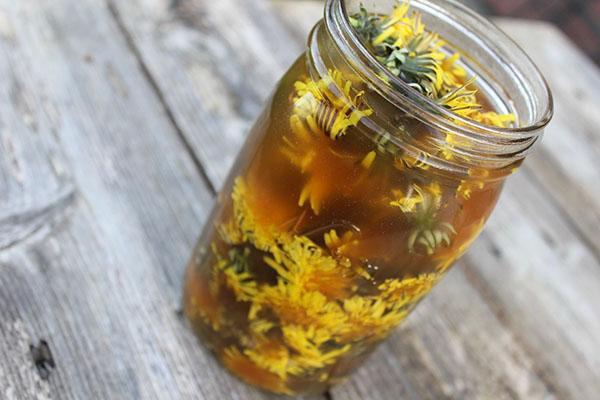
A tincture is prepared from pieces of root and alcohol. The raw materials are placed in a jar and filled with alcohol at a ratio of 1:1. The mixture is then left in a dark place for 3 weeks. After straining, store in the refrigerator. Take 2 drops 3 times a day on the first day, then increase the dosage by 1 drop per day for diabetes, tumors, bone tuberculosis, and hepatitis.
Honey product from sow thistle
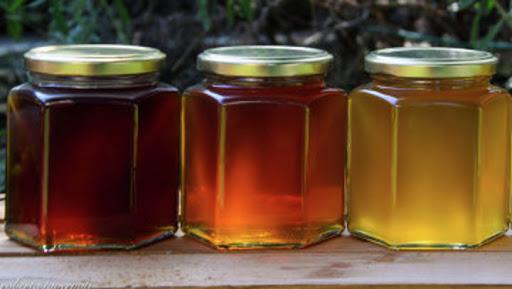
Bees can harvest over 110 kg of honey from one hectare of sow thistle. Fresh honey is light yellow or greenish, with a subtle aroma, while crystallized honey has a caramel or white hue. Sow thistle honey strengthens the immune system, normalizes blood pressure and digestion, and treats ulcers. It is especially recommended for the elderly and those who have recovered from serious illnesses. Healthy individuals can consume honey almost daily, but in small portions. It is also beneficial for external use; it can be applied to the skin for rashes until they disappear completely.
Culinary uses
Young leaves are used to make soups, salads, and cabbage soup (they can be used as a substitute for early cabbage or sorrel). To remove the bitterness present in leaves of any age, soak them in a weak salt solution for half an hour before cooking. For salads, you can add chopped hard-boiled eggs, cucumber slices, radishes, green onions, 0.5 teaspoon of mustard, salt, and vegetable oil to the leaves. Mix everything together and refrigerate for half an hour to let the salad marinate.
Who is it contraindicated for and can it cause harm?
Pregnant and breastfeeding women with allergies or intolerances to any of the plant's ingredients (especially alkaloids) should avoid taking the plant's leaves or its preparations. Those with gastrointestinal, liver, or spleen conditions should avoid taking the plant.
If you don't consider sow thistle simply a noxious weed, you can find uses for it in the home. The plant has beneficial and medicinal properties, so it can be used to prevent and treat illnesses, strengthen and restore the body. In the spring, sow thistle can be used to make delicious salads, entrees, and tea, and honey can be consumed year-round.
Related posts:
 The best eggplant varieties for growing in a polycarbonate greenhouse: planting and care
 The health benefits and contraindications of black currants
 The health benefits of beans for women and men, harm and contraindications
 The benefits and harms of gooseberries for human health, properties and uses
 Red currant health benefits, properties, and contraindications
 The benefits and contraindications of lentils for the human body
 80 Best Eggplant Varieties for Different Regions with Descriptions and Characteristics
 Description of varieties of sowing peas and cultivation, to which family they belong