
Weed growth in grain crops negatively impacts the harvest. Unwanted vegetation absorbs moisture and shades the crop from sunlight, leading to wheat failure. To ensure a high-quality harvest, gardeners and farmers use an innovative systemic herbicide, Pallas. It guarantees effective control of annual grasses and broadleaf weeds.
Purpose, composition and existing forms of release
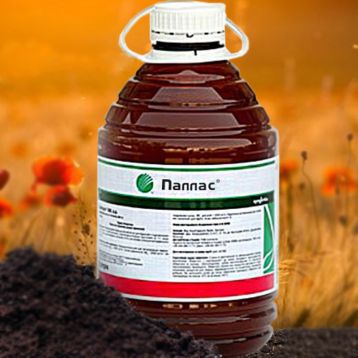
Pallas is available as an oil dispersion. It belongs to the class of triazolopyrimidines. The primary purpose of this selective pesticide is post-emergence application against annual dicotyledonous and cereal weeds in wheat crops.
The main spectrum of activity in weed control:
- common snowstorm;
- wild oats;
- carrion;
- knapweed;
- amaranth;
- shepherd's purse;
- ambrosia;
- bedstraw;
- chamomile;
- Highlander;
- chickweed;
- clover and others.
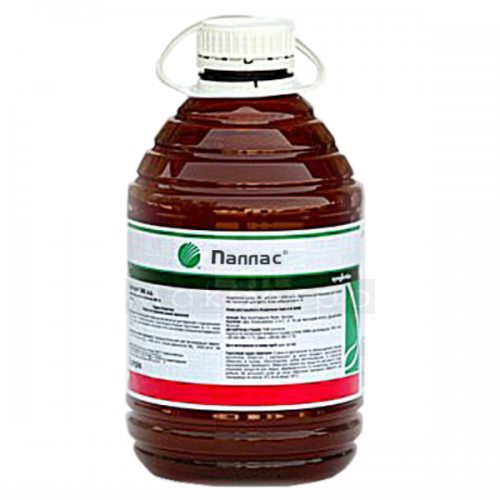
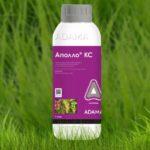
The chemical is packaged in a 5-liter plastic canister.
Mechanism of action
The main active ingredient is pyroxsulam, available at a concentration of 45 grams per liter of product. This component inhibits the enzymatic reactions of acetolactate synthase, catalyzing chemical processes in metabolic pathways. This inhibition leads to the cessation of amino acid synthesis, which causes the weed to die. The substance is absorbed through foliage, moving systemically. It stops division, causing the death of susceptible weed seedlings.
Advantages and disadvantages
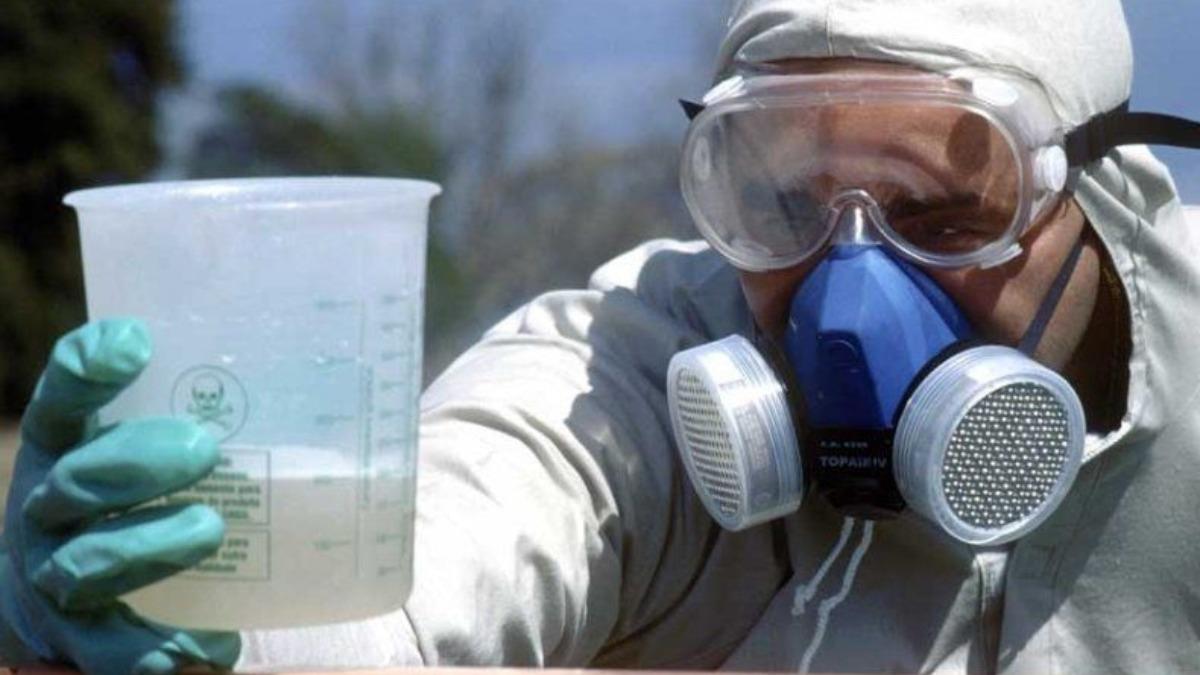
Pallas has no significant drawbacks. Only the low toxicity of the herbicide requires special attention, so safety precautions should be followed when working with it.

How to prepare a working solution?
The mixture is prepared before the treatment. The oil dispersion is mixed in its original container. Clean water is added to the container, filling it 1/3 full. Then the chemical is added in the required quantity. The resulting mixture is stirred until a homogeneous composition is achieved. If necessary, add water and mix the components again.
Calculation of consumption and rules of application
The average consumption rate of Pallas 45 is shown in the table:
| Cultivated crop | Consumption rate, l/ha | Pests | Method and period of processing |
| Winter wheat | 0.4 | Annual dicotyledonous plants, broom | Spraying in autumn, during the formation of 2-3 true leaves |
| Spring wheat | 0.4-0.5 | Membrane, wild oats | Spraying in spring, before the crop emerges into the tube |

Degree of toxicity
This selective herbicide is considered low-hazard and safe for humans, animals, pollinated insects, and aquatic life. It is toxic to algae. Pallas should not be used near open water bodies; treatment should be carried out at least 500 meters away from fish farms. Avoid contaminating drinking water. Store the chemical away from food and animal feed. The pesticide is harmless to crops.
When working with the chemical, take safety precautions and wear protective equipment. In case of poisoning, the worker should be removed from the treatment area, tight clothing should be removed, and they should be given plenty of fluids. The victim should be given activated charcoal. If the chemical comes into contact with the skin, remove any remaining product with a clean cloth and wash the area with soap and running water. If the chemical comes into contact with the eyes or inhalation, or if an allergic reaction occurs, medical attention is required.


Possible compatibility
Pallas 45 can be mixed with other chemicals designed to kill unwanted vegetation. Do not mix with growth regulators or organophosphorus insecticides. Such a mixture will harm crops. Its effectiveness is enhanced when used in combination with adjuvants and adhesives.
Agrochemicals are first tested for compatibility using a test. To do this, a small amount of the substances is mixed in a separate container and the reaction is checked. At least 10 days should elapse between tank-mix treatments.
How and for how long can it be stored?
Pallas 45 is stored in accordance with current legislation in a dry, well-ventilated area. It should be kept in its tightly sealed, undamaged original packaging during storage. Storage temperatures range from -10 to +40°C (14 to 104°F). This product is not classified as explosive or flammable. The shelf life from the date of manufacture is 2 years.
Similar herbicides
The manufacturer claims that the Pallas herbicide is unique. Alternatives with similar purposes and modes of action include combination herbicides such as Dialen Super, Marathon, and others.
The herbicide "Pallas 45" features the best modern formulation—an oil dispersion. It provides perfect plant coverage, quickly penetrates the fiber structure, and begins working immediately. The pesticide is characterized by excellent moisture resistance, environmental friendliness, and safety.
Related posts:
 The best eggplant varieties for growing in a polycarbonate greenhouse: planting and care
 Methods for planting and propagating cherries at home
 Nitrophoska composition and instructions for use of fertilizer, errors
 The health benefits and contraindications of black currants
 How to control carrot flies with medications and folk remedies
 Description of acaricides, their mode of action on plants and the best remedies
 Instructions for use of Gliocladin and the composition of the fungicide, application rates
 The health benefits and harms of cherries, rules of consumption, and their effects on the body
