
- Description of the American weed
- How does it reproduce?
- What is the difficulty in fighting it?
- What harm does it do?
- Instructions for eliminating a pest plant
- Use of herbicides
- What green manure crops are suitable?
- Mechanical method
- Application of mulching
- Using film
- Traditional methods
- Prevention of occurrence
There are a great many weeds that can interfere with crops. If left untreated, they will interfere with vegetable production, making harvesting difficult. Let's look at the description of the grasshopper weed and how to control it in the garden using various methods, including which herbicides and folk remedies to use. We'll also discuss preventative measures to prevent the weed from reappearing.
Description of the American weed
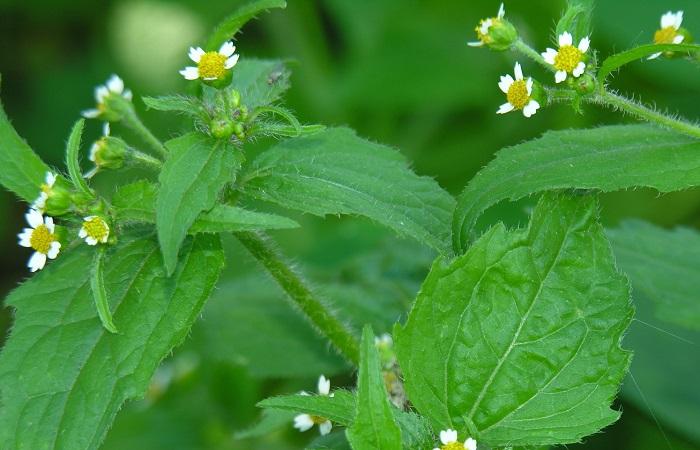
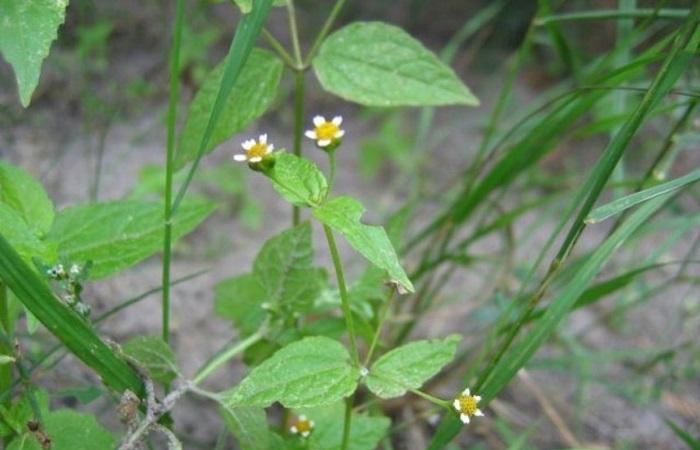
Americanka is the common name for the plant, as it came to Europe from the South American continent. The botanical name of the genus to which it belongs is Galinzoga, in the Asteraceae family.
American grass is a one-year-old plant with soft, succulent stems and leaves. The weed grows to a height of 50-70 cm. The leaves are elongated, bright green, slightly pubescent, with serrated edges, and are arranged in pairs around the stem.
How does it reproduce?
The American grass produces small, solitary flowers in the form of yellow heads with five white petals that do not touch each other. They are borne on long stalks that radiate outward from the internodes. These flowers produce fruits with cone-shaped seeds. Their upper parts are lightened, allowing the wind to carry them away from the parent plants. Each plant can produce up to 20,000 seeds, which is why the plants spread so quickly. The seeds can germinate throughout the season, not just in spring, and remain viable for 10 years.
Despite the huge number of seeds, not all of them germinate, but the American daisy has another method of reproduction: roots begin to form in the internodes, and the stems grow to the ground, where they branch.
What is the difficulty in fighting it?
The weed reproduces by massing seeds, which multiply rapidly, allowing it to spread rapidly across new areas. The plant thrives in any conditions: low light, high or low humidity, and any type of soil. It adapts well to any weather conditions, and its seeds tolerate winter cold and drought without affecting their germination.
American grass is resilient. Uprooted after flowering, it remains viable with adequate moisture, and seeds can form and ripen on the plant. Galinsoga has no natural pests and is virtually immune to infectious diseases. Because of its rapid reproduction and resilience, American grass is difficult to eradicate from the garden; even after weeding, weeds remain, and the beds re-grow.
What harm does it do?
The grass grows quickly, doesn't require a large growing area, and can grow densely. It colonizes garden beds, sprouting under bushes and trees. While it can't control mature trees, annual vegetables overgrown with grass cannot thrive and produce crops. The weed draws nutrients and water from the soil, thereby competing with crops. If left untreated, grass will proliferate freely, increasing in numbers year after year.
Instructions for eliminating a pest plant
There are various ways to combat the American moth, including using medications, homemade remedies, and agricultural techniques. Let's take a closer look.
Use of herbicides
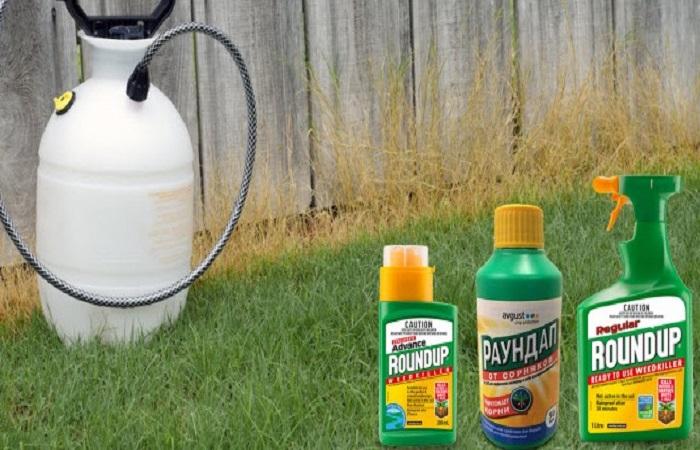
Herbicide application is considered the fastest and most effective method. Herbicide treatments, such as Roundup or Hurricane Forte, can be used as a primary treatment or for urgent weed control.
However, using herbicides to control grasshopper has its limitations: grass emerges later than crops, so non-selective herbicides cannot be used. Herbicides do not kill the seeds, and after the adult plants die, they germinate. Resistance to some can develop, but this can be resolved by switching herbicides.
What green manure crops are suitable?
To prevent American grass from growing in unused vegetable beds, all available space should be sown with green manure rather than left uncultivated. Green manure plants can be any species from the grass or brassica family, and they can be sown in the fall or spring. They emerge early and will have time to grow before the weeds have a chance to emerge.

Mechanical method
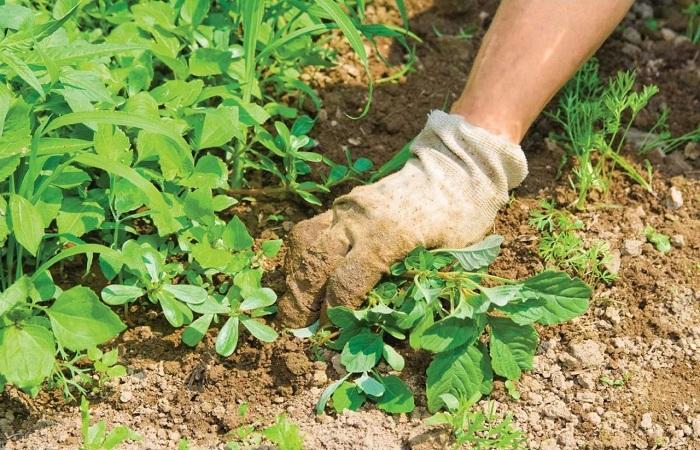
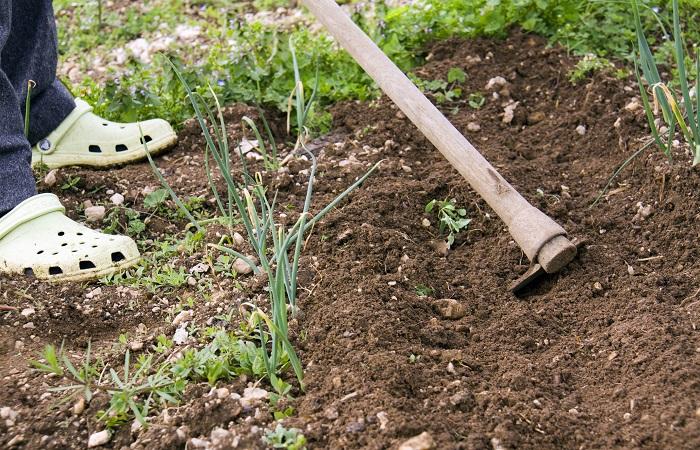
Mechanical weeding, or the well-known weeding method, is used once the weeds have emerged and matured. American grass grows quickly, with 2-3 weeks from germination to flowering. Weeding is done like other weeds, using a hoe or by hand. Weeding is done by cutting the grass completely if there are no vegetables in the beds, and selectively if the weed has sprouted between crops.
Weeds should not be left on the spot, piled between rows, or used as mulch. This is because the grass can grow roots from the stems, which can produce seeds.
Application of mulching
Covering the area where the American locust was growing with mulch can significantly reduce weed pressure. No matter how resilient the locust is, a mulch layer will prevent seedlings from emerging because light will be blocked. Mulching can be done with peat, straw, old hay, sawdust, or shredded bark—all materials commonly used for this purpose.
Using film
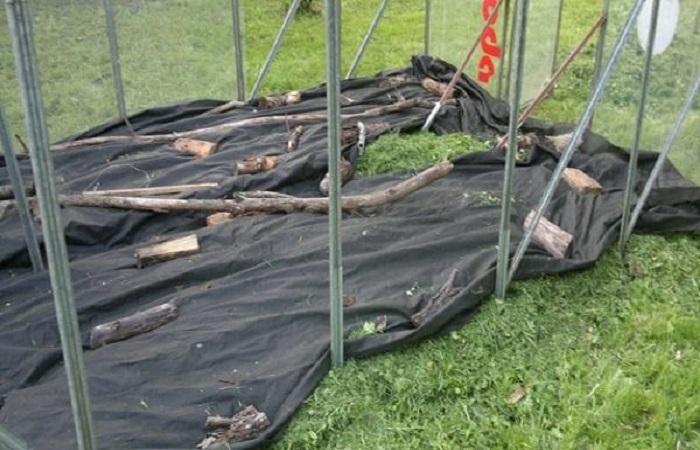
The principle is the same: prevent the sprouts from emerging above ground and developing further. Covering with plastic film is a mulching option, but it uses synthetic rather than natural materials. The film can be laid over the entire bed if nothing is growing there, or holes can be cut in it for seedlings.
The use of film and mulch eliminates the need for weeding and significantly simplifies plant care in general, as moisture and temperature are retained under the film, preventing the development of diseases, which contributes to the good development of crops and an increase in their yield.
Traditional methods
It is recommended to destroy this weed by spraying with a 20% solution of copper or iron sulfate. When using these substances, be careful not to let the solution come into contact with vegetables, strawberries, or shrubs. The concentrated solution will kill them as well.
American grass can be sprayed with vinegar from a spray bottle or the soil can be sprinkled with salt. These methods are suitable if there are only a few weeds.
Whether or not to use them is up to the vegetable grower. These methods are unsafe for both plants and humans, and are labor-intensive and expensive.
Prevention of occurrence
As soon as the first weeds appear in the garden, they need to be pulled out to prevent the grass from seeding. Keep the beds clean at all times, removing any weeds as quickly as possible. Remove the weeds and set them aside to dry. Burn them afterwards to prevent them from seeding. Do not leave plant debris in the beds, between the rows, or compost.
If you need to leave a section of your garden "to rest," it's best to sow it with green manure or weed it several times a season. If left unattended, the American grass will quickly reseed itself.
In the spring, as the weather warms, it's a good idea to dig up or loosen the beds prepared in the fall to destroy any weed seeds that have begun to sprout. Throughout the season, regularly weed the beds, tree trunks, and the soil along paths to remove the grasshopper from the garden.
American grass can be found in any garden; the weed is ubiquitous and resistant to adverse environmental conditions. An annual plant, it can be controlled by weeding or herbicide treatment, but seed control is more difficult. It may be necessary to cultivate the garden for several years in a row. A combination of measures should help completely eliminate the weed within a few seasons.
Related posts:
 Description of unusual methods for planting and growing cucumbers
 How to properly combat scale insects on currants, causes of occurrence and prevention
 How to plant cucumbers in open ground under film: timing and cultivation technology
 The best eggplant varieties for growing in a polycarbonate greenhouse: planting and care
 How to spray tomatoes with boric acid, cultivation and processing rules
 Causes and symptoms of 30 plum diseases, treatment and pest control
 The best ways to properly tie up tomatoes in open ground and greenhouses
 Growing Climbing Roses and the Top 10 Varieties, Planting, and Care in the Open Ground