
Hexachlorane is a chemical substance classified as an insecticide. It was once widely used in agriculture to control pests and stored-stock pests. Today, this product is not commonly used. However, it is still sometimes used. It is important to strictly adhere to the dosage and observe safety precautions.
Physical and chemical properties of HCH
HCH stands for "hexachlorane." This substance is a white crystalline powder. The γ-isomer is poorly soluble in water. However, it mixes readily with acetone, ether, and benzene. The substance also dissolves readily in various types of alcohol and fats.
The substance is acid-resistant. It decomposes when exposed to alcoholic alkali, producing trichlorobenzenes. The compound is thermally stable. However, when exposed to elevated temperatures, it produces thick white smoke. This allows it to be used as an aerosol.
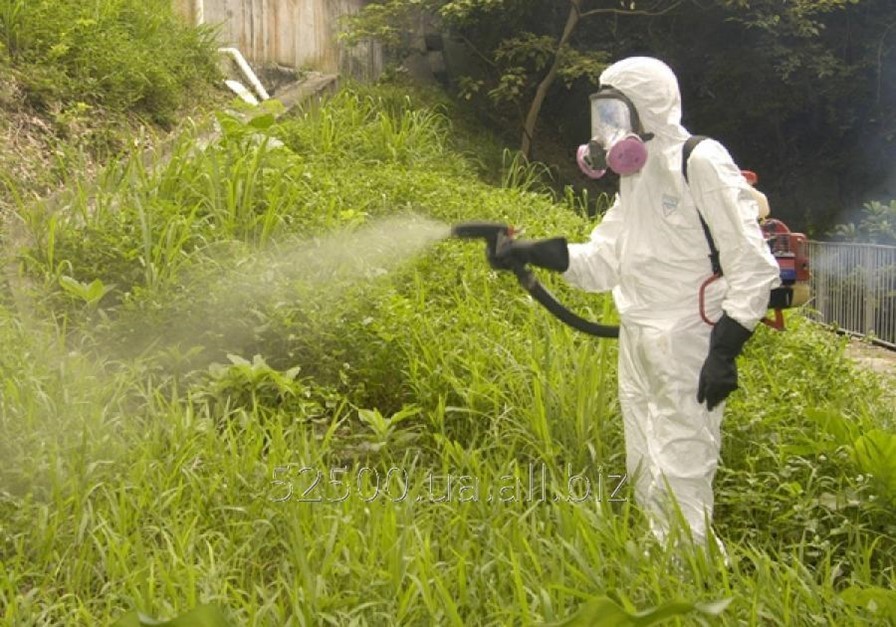
The composition is virtually indestructible under the influence of ultraviolet light. However, due to its relatively high volatility, the substance evaporates from treated surfaces. Therefore, its effect is primarily temperature-dependent.
Hexachlorane is highly resistant to high-concentration acids such as sulfuric, hydrochloric, and nitric. This property is used when testing plants for insecticide residues. Pentachlorocyclohexene and tetrachlorocyclohexadiene impurities cause the substance to have an unpleasant odor.
The physical characteristics of the product include the following:
- molecular weight – 290.8;
- solubility in water at +20 degrees – 10 milligrams per 1 liter;
- melting point - 112.8 degrees;
- vapor pressure at +20 degrees – 1.25x10⁻³ Pascal.
What effect does it have on harmful organisms?
This substance is a highly active insecticide with both contact and stomach action. At low doses, its effect can become apparent within a short period of time after contact with the pest. Due to its high vapor pressure, the active ingredient has fumigant properties.
When applied to the soil, the insecticide penetrates the plant and has a systemic effect. It provides protection against pests for 5-15 days. The composition also has a repellent effect on some pests.
Hexachlorane is a poison that affects the nervous system. The substance quickly penetrates the insect's cuticle and directly enters the nervous system. It accumulates in the peripheral ganglia of the brain and abdomen. Initially, excitation and impaired motor activity are observed. Paralysis soon follows. This stage can last from several hours to several days.
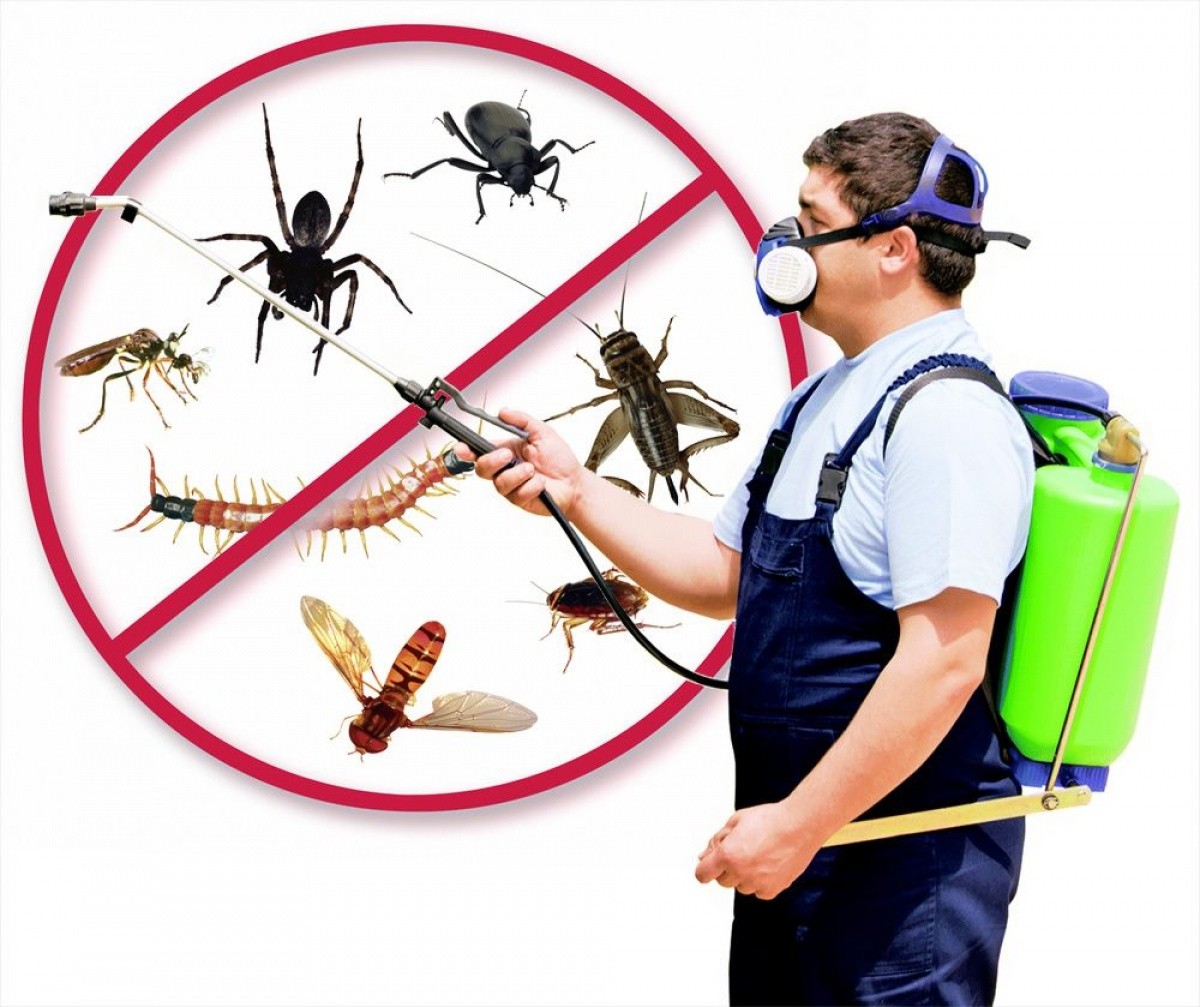
The mechanism of action of hexachlorane is not fully understood. Most likely, the substance's molecules enter the lipoprotein membranes of nerve cells and disrupt ion transport during nerve impulse transmission. The spatial structure of the molecule is of great importance in this case. It is quite possible that the substance can disrupt lipid metabolism in parasites. Its effect also manifests itself in the accumulation of large amounts of cholesterol in parasite tissue. Thus, the insecticide affects the lipoprotein-sterol complexes of cells.
What medications contain the substance?
Hexachlorane is found in preparations of the same name. They are available in various forms, including emulsions, aerosols, 12% dust, 25% phosphate rock powder, smoke bombs, and wettable powders. Inactive isomers of the substance are used to produce chlorinated benzene derivatives, including tri-, tetra-, and hexachlorobenzene.
Instructions for use
Previously, hexachlorane-based products were widely used to kill cutworm caterpillars and soil-dwelling insects. It was also widely used for fumigation of warehouses.
The substance has a toxic effect on many harmful insects. Locusts, orthopterans, and lepidopterans are sensitive to it. However, coccids and herbivorous mites are resistant.
Hexachlorane dust is often used to combat the mass infestation of gooseberry moths. To do this, dust the soil beneath the bushes, using 100 grams of the product per plant. This procedure is carried out at the beginning of bud break. This should be done before the butterflies emerge.
The product is also used to kill May beetle and wireworm larvae. The recommended application rate is 70-100 kilograms per hectare of sandy soil. If the soil is black soil, apply 250-300 kilograms per hectare. It is recommended to apply the product in the spring before planting rootstocks.
Safety precautions
When working with the substance in any form, strict safety precautions must be followed. Wear protective clothing. Personal protective equipment (PPE)—goggles, gloves, and a respirator—is essential.
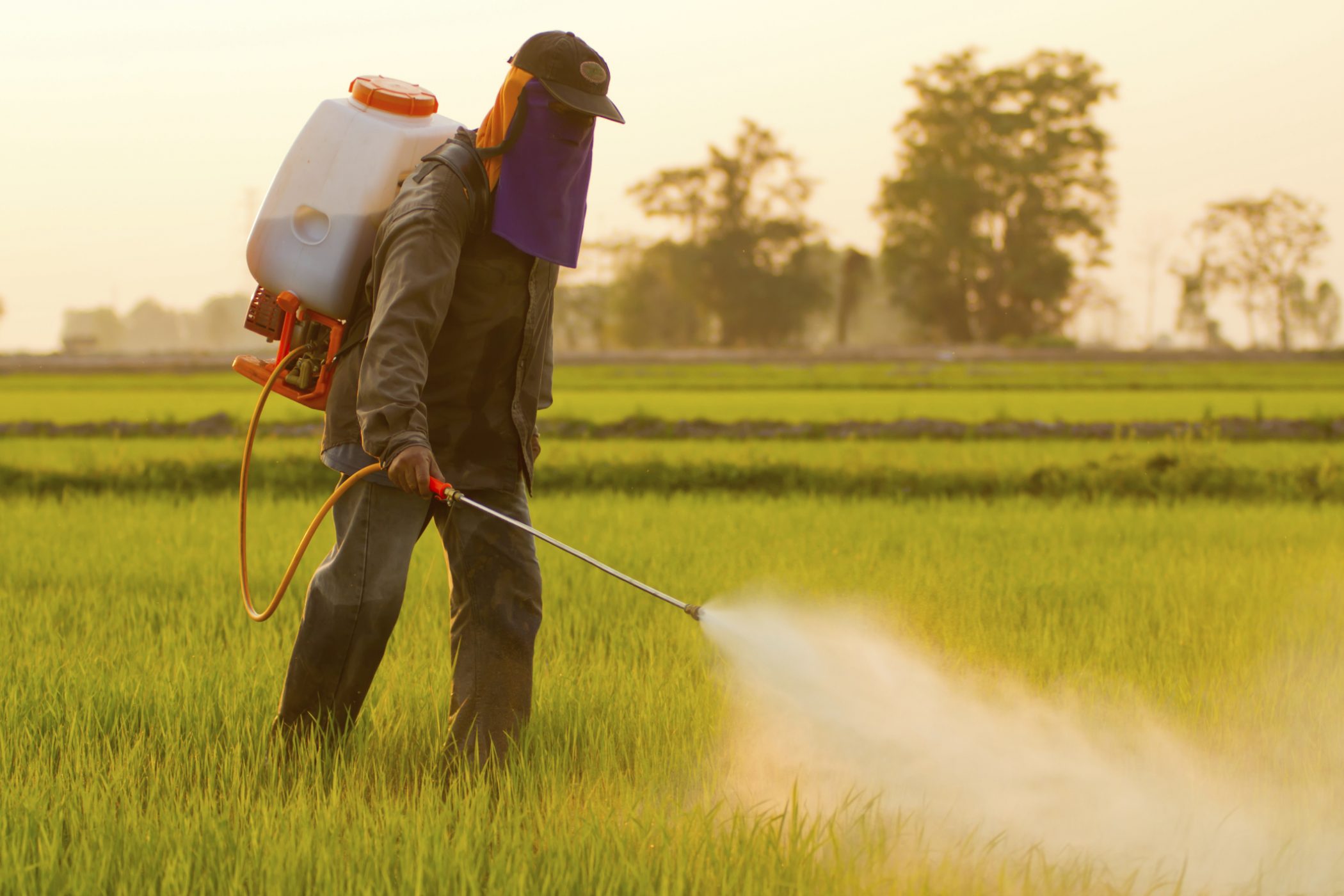
After finishing work, wash your hands and face with soap. If the solution comes into contact with your skin, rinse with water to avoid irritation. If the solution gets into your eyes, rinse them thoroughly. If the solution is accidentally swallowed, rinse your stomach. Activated charcoal is recommended for this purpose. After 15 minutes, induce vomiting. If your condition does not improve, consult a doctor.
Compatibility
When exposed to alkalis, the active ingredient decomposes and becomes harmless to insects. Therefore, hexachlorane-based products are not recommended for use with alkaline pesticides or lime.
Storage terms and conditions
Hexachlorane-based products are recommended to be stored in a dry, dark place. They should be kept out of the reach of children and pets. The shelf life varies depending on the specific product.
Hexachlorane is an effective insecticide that helps control a wide range of pests. To ensure the desired results, it's important to follow the instructions carefully.
Related posts:
 The best eggplant varieties for growing in a polycarbonate greenhouse: planting and care
 Description of varieties of sowing peas and cultivation, to which family they belong
 The health benefits and contraindications of black currants
 Methods for planting and propagating cherries at home
 The health benefits and harms of cherries, rules of consumption, and their effects on the body
 How to control carrot flies with medications and folk remedies
 How to control onion flies using natural and chemical methods
 Instructions for using green soap against plant pests and its composition