
- The history of selection and regions of cultivation of the Zenit strawberry
- Pros and cons of the variety
- Characteristics and features
- Bush size and appearance of the leaf blade
- Flowering and pollination
- Ripening time and yield
- Taste qualities of the fruit and its further sale
- Resistance to adverse conditions
- Immunity and susceptibility to diseases and parasites
- Pre-landing preparation
- Site selection and preparation
- How to choose seedlings
- Timing and specifics of strawberry planting
- How to care for the crop
- Watering mode
- Top dressing
- Weeding and loosening the soil
- Mulching
- Frost protection
- Seasonal treatments
- Methods of reproduction
- Seeds
- By dividing the bush
- Sockets
- Gardeners' reviews of the variety
Many gardeners are familiar with the Zenit strawberry variety. This high-yielding, virtually disease-resistant berry, with proper care, will delight homeowners with delicious, aromatic fruits from midsummer to early fall. Thanks to its long shelf life and easy transportability, it can become both a favorite family treat and a source of income.
The history of selection and regions of cultivation of the Zenit strawberry
The Zenit strawberry is the result of crossing two varieties: Zenga Zengana and Redcoat. It was developed at the All-Russian Selection and Technology Institute of Horticulture and Nursery in 1979 by I.V. Popova. It has been included in the State Register since 1987. The regions where it is grown include the Moscow Region, the Middle Volga Region, and the Udmurt Republic.
Pros and cons of the variety
The advantages of the Zenit variety are as follows:
- stable high yield;
- pleasant dessert taste;
- resistance to diseases (powdery mildew, verticillium wilt);
- rapid adaptation to temperature fluctuations;
- good transportability;
- the ability to consume berries not only fresh, but also as preserves (jams, preserves, compotes), as well as fillings and decorations for baked goods;
- potential for breeding in private households and commercial purposes.
The disadvantages include:
- low frost resistance in winter;
- requires regular watering;
- predisposition to fruit rot.
Characteristics and features
Strawberry Zenith is considered a high-yielding variety.
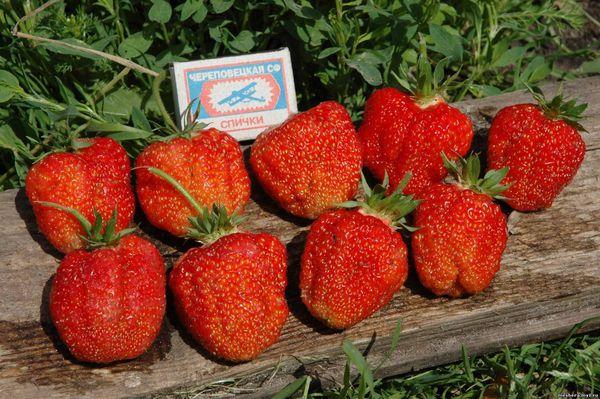
Characterized by strong bushes with a small number of rosettes and bright red berries hidden under the leaves.
Bush size and appearance of the leaf blade
This strawberry variety grows on low, medium-sized bushes. The leaves are dark green, with a slight waxy coating and a slightly wrinkled appearance. The leaf blades are somewhat compressed, resembling a funnel shape.
Flowering and pollination
The Zenith strawberry bears white or pinkish flowers. They open unevenly, every 1-4 days. The inflorescences are few-flowered and compact. The peduncles are medium-thick, short, and located below the leaves.
Zenith strawberries planted in open ground do not require special pollination; pollination occurs through wind and insects (when growing strawberry plantations on an industrial scale, it is recommended to keep several hives nearby).
However, plants grown in a greenhouse, conservatory, or glassed-in balcony will need to be pollinated manually. There are two methods for this:
- Using a fan. Turn the device on to a low, cool setting for 45 minutes. These sharp gusts of air will transfer pollen from flower to flower. If the air doesn't reach all the bushes, move the fan further away.
- Using a soft brush or cotton swab. This method is suitable for small numbers of plants. Use the brush to brush each open flower, repeating this procedure every three days. Pollination is recommended in the morning.
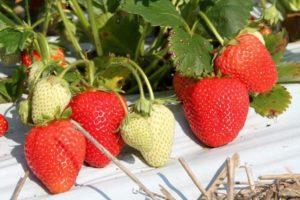

In order for the Zenit strawberry to bloom faster indoors, it is necessary to provide artificial light for 15 hours daily.
Ripening time and yield
Zenit is a mid-season variety, with the first fruits harvested in mid-July. It bears fruit until autumn. It is characterized by high yields, which largely depend on weather conditions and proper care. To increase fruit production, it is recommended to regularly remove excess runners.
Taste qualities of the fruit and its further sale
The dark red, round, ripe berries are hidden under the leaves. They are very juicy, dense, aromatic, and have a sweet and sour taste. The average berry weight is 12-30 g. The skin is shiny, slightly ribbed, with protruding seeds.
It's recommended to pick the berries with the stems attached, avoiding the flesh. Store the harvested fruit in a cool, well-ventilated container. Properly picked and stored fruit can be safely transported for sale.
Resistance to adverse conditions
The Zenit variety is resilient to summer weather changes, but is not frost-hardy. To protect the plants from the cold during the winter, it is recommended to cover them.
Immunity and susceptibility to diseases and parasites
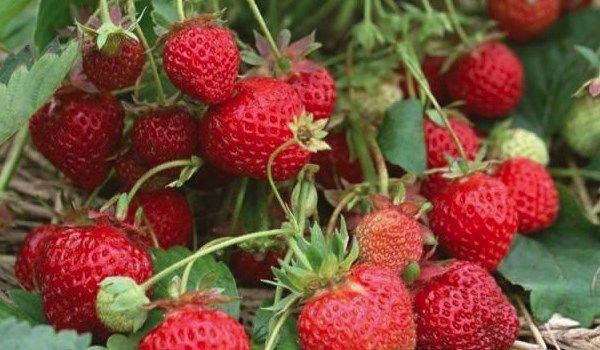
This strawberry variety is resistant to powdery mildew and pests, which is one of its many advantages. However, it can be infected with fruit rot or root rot, which can be avoided with timely preventative measures.
Pre-landing preparation
To ensure healthy plants and a good harvest, it is important to carefully select the location for the garden bed, as well as the quality of the seedlings themselves.
Site selection and preparation
The Zenit variety is sensitive to strong winds, so when choosing a site for planting strawberries, ensure it's free of drafts and strong winds. At the same time, the plants need sunlight, so the strawberry bed shouldn't be shaded. The site should be level.
Strawberries require moderately acidic, fertile soil; this will determine the health of the bushes and the yield of Zenit. Sites with light, breathable, and moisture-retentive soil are ideal.
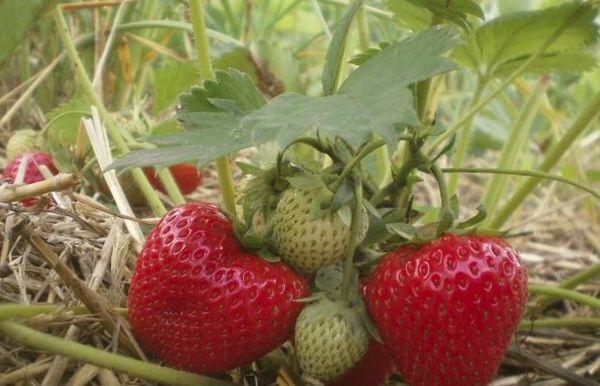
Fertilizing the beds should be done in advance, preferably at least six months (or better yet, a year) before planting strawberries. To apply fertilizer (manure, potassium chloride, superphosphate, or ammonium sulfate), dig the soil to a depth of 20 cm, thoroughly weeding, and only then add the fertilizer. It's important to adhere to a specific application rate, as too much can also harm the plants.
If there are pests in the soil, it is also worth destroying them in advance.
It is not recommended to plant Zenit in marshy areas, as this will cause the bushes to rot. If the groundwater level is close to the surface, it is recommended to create drainage first before planting.
How to choose seedlings
When selecting Zenit strawberry seedlings, it's recommended to pay attention to the quantity and quality of its young shoots. The plant should have at least three rich green leaves, free of dark or white spots. The root system should be at least 7 cm long and well-branched.
Timing and specifics of strawberry planting
Zenit strawberries are planted either after the snow melts and frosts end, or after the harvest—in late August or early September. Strawberries do not do well near bushes and trees, so choose an open location for planting.
It is also not recommended to make a bed for Zenit next to plants that are potential carriers of verticillium wilt (for example, raspberries).
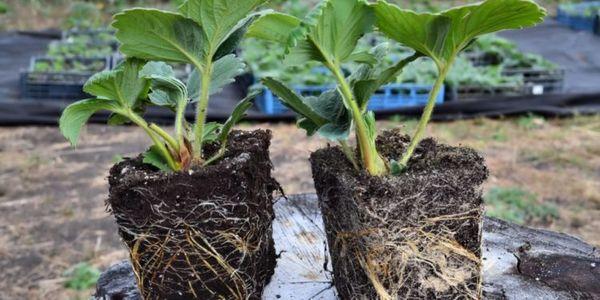
Before planting, soak the seedling roots in a weak salt solution for 20-30 minutes, then rinse. Afterward, trim the roots and place them in the hole so that the root collar and soil are level. There should be 40 cm between rows of Zenit plants, and 20 cm between plants within a row.
After planting, the soil is watered and mulched. For the first few days, the plants that haven't yet established themselves are shaded.
How to care for the crop
Proper strawberry care is crucial for a successful harvest. Zenit doesn't require any special care, but to ensure large, tasty berries, you need to follow a few simple rules.
Watering mode
To ensure the Zenith strawberry thrives, the soil must be kept moist and not allowed to dry out. However, avoid overwatering to prevent root rot. The best watering schedule is as follows:
- For the first two weeks after planting, the bed is watered generously every day.
- From the 15th day, watering is done once every two days.
- Once the plants are established, maintain soil moisture as needed. Established bushes are watered sparingly.
It's best to water in the morning or evening. The water should be clean, fresh, and at room temperature. During flowering, it's best to water the Zenit under the bush to avoid washing away pollen from the flowers and to avoid repelling insects.
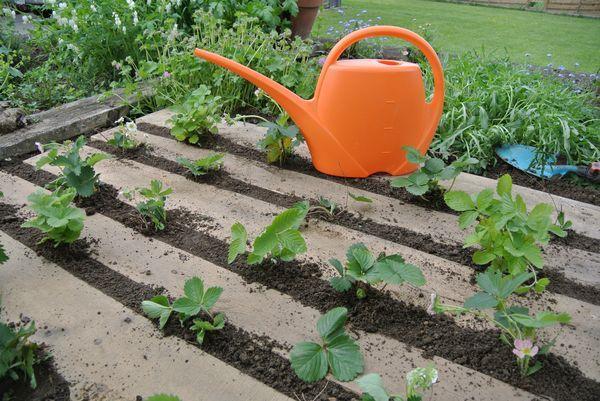
When berries begin to appear, watering can be done in two ways: under the bush or by sprinkling. However, in both cases, the harvest must be collected first.
Top dressing
Since the Zenith strawberry bears fruit for four years, additional nutrition is essential. The plant benefits from nitrogen, magnesium, phosphorus, potassium, boron, sulfur, and several other micronutrients. Fertilizing is done in the spring, before fruiting begins.
Use a chlorine-free, all-purpose or organic fertilizer. New bushes are fertilized 10 days after planting.
During the flowering period, you can fertilize Zenit beds with a mullein infusion. After harvesting, feed the strawberries with diluted manure or bird droppings, a grass infusion, or a commercial phosphorus-potassium fertilizer.
Weeding and loosening the soil
Loosening the soil is beneficial for plant health, as it improves oxygen access to the root system and promotes moisture retention. Loosen the soil around the bushes shallowly, and between rows to a depth of up to 10 cm. If exposed roots are found, light hilling is necessary.
Mulching
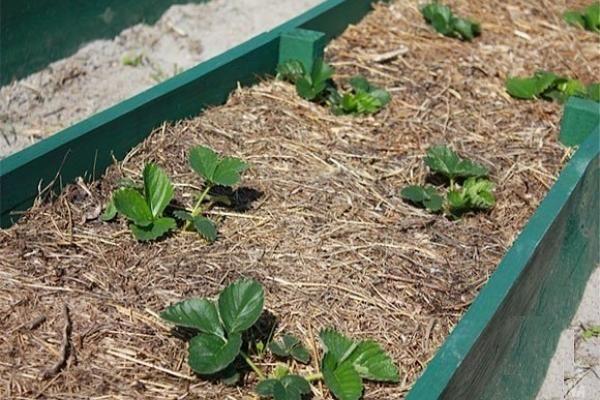
Strawberries need mulching to retain soil moisture. Suitable mulches for Zenit include pine needles, straw, grass clippings, or sawdust. It's recommended to mulch twice a year: in the spring before flowering and in the fall before frost.
Frost protection
Zenit is not a frost-resistant variety, so the bushes are covered with straw or dry leaves for the winter.
In spring, it is important to open them in a timely manner so that the plants do not start to rot.
Seasonal treatments
To protect the plant from diseases (particularly gray mold), seedlings are treated with a 2-4% Bordeaux mixture immediately after purchase. The same treatment is carried out on last year's bushes, after trimming all old leaves. The beds are then mulched.
In summer, caring for the crop involves timely watering, weeding, and regular inspection for diseases. After weeding, the soil is loosened periodically.
After harvesting, the runners are trimmed, old leaves are removed, and the soil is weeded and loosened. Around mid-autumn, the plants are prepared for winter.
Methods of reproduction
There are three main ways to propagate strawberries.
Seeds
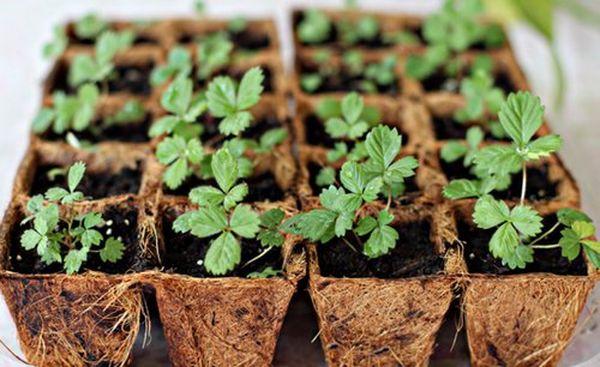
Purchased or home-collected seeds are sown in small containers filled with soil. The containers are then placed in a cool place. After the first shoots appear, the seedlings are moved to a warm, well-lit area. Once the seedlings have grown, they are transplanted into the garden bed.
By dividing the bush
For division, it is recommended to use 2-3-year-old plants with a strong root system. The strongest bush is marked, then dug up in the fall after harvesting or in the spring before flowering and divided into sections, ensuring each section has roots and a rosette. These sections are then replanted as individual plants.
Sockets
During fruiting, the most productive bushes are marked. Then, runners with strong rosettes are taken from them and rooted. Once the plant has established itself, the runners are trimmed, and the young bush is carefully replanted, leaving soil on the roots.
Gardeners' reviews of the variety
Gardeners note that the Zenit strawberry is highly productive, disease-resistant, and has a pleasant flavor. The berries are all medium-sized, with no particularly large ones, but none small. Some note an interesting feature of the variety: numerous runners that begin to bloom and bear fruit even before they are separated from the mother plant.
Disadvantages include high soil quality requirements and low frost resistance.
Related posts:
 The best varieties and cultivation of everbearing strawberries, fertilizing and propagation
 How to grow strawberries at home
 Description of the everbearing strawberry variety Selva and cultivation technology
 Description and characteristics of the Vima Zanta strawberry variety, planting and care scheme
 Description of the Florence strawberry variety, planting and care features
 Description of the Cardinal strawberry variety, planting and cultivation
 Description and how to plant the Garland strawberry variety
 Description of the Ducat strawberry variety, planting and care instructions