
- Advantages of propagating raspberries by seed
- Are there any downsides?
- Suitable varieties
- Rules for collecting and preparing seeds
- What you will need
- Capacity
- Required soil composition
- Sowing patterns and timing
- In the spring
- In the fall
- Growing raspberry seedlings at home
- Transplantation to a permanent location
- Further care
- When to expect fruiting?
- Basic mistakes and difficulties
Raspberry planting stock can be purchased at any gardening store or prepared at home. Experienced gardeners claim that growing raspberry seedlings from seeds isn't that difficult. However, this method is usually time-consuming. So, how do you grow raspberries from seeds indoors?
Advantages of propagating raspberries by seed
The traditional method of growing raspberries is from seedlings. Cuttings are also popular. Even experienced gardeners rarely resort to planting from seeds. However, this method has several advantages over others.
Advantages of the seed method of growing raspberry seedlings:
- You can select the healthiest and strongest seedlings.
- Saving money - adult seedlings are expensive, and you will need a lot of them to plant raspberries.
- At the seedling growing stage, you can immediately discard diseased seedlings.
Growing raspberries using seeds will provide these benefits.
Are there any downsides?
However, planting raspberries from seeds has a number of significant drawbacks. First and foremost is the growing time. It will take several years before the harvest can be harvested. Another disadvantage is that this method is very labor-intensive, and the seeds may not germinate at all. The disadvantages of this method are quite significant, so you should not rely solely on this method and plant raspberries using cuttings or seedlings.
Suitable varieties
Which varieties are suitable for growing from seeds:
- Mirabella is a hybrid that produces two harvests per year: the first in summer and the second closer to September. Mature bushes reach a height of 2 to 3.5 meters. Fully ripe berries are large, weighing 14 to 16 grams.
- Skazka (Fairy Tale) – the harvest ripens by mid-summer. The bushes grow up to 2.5 meters tall. The berries are large, sweet, and high in sugar. The ripened fruit does not fall off and transports well.
- Dar Sibiri (Gift of Siberia) – this variety produces vigorous bushes with thick stems, reaching up to 3 meters in height. The fruits are small, weighing up to 6 grams, and do not fall off after ripening.
- Krasa Rossii (Beauty of Russia) has stems up to 1.7 m tall. The berries ripen in mid-summer. The fruits are small, weighing 7 to 12 g. However, this variety has a significant drawback: poor shelf life.
- Bryanskoye Divo is a hybrid with a prolonged ripening period. It bears fruit several times per season. The bushes are low-growing, reaching a height of 1.4 m. Fully ripe berries are medium-sized, weighing 10 to 14 g.
- Yellow Giant—ripe berries of medium size, approximately 8-10 g. The flesh is yellow and the flavor is sweet. The first harvest ripens in late June to early July. Another advantage is its frost resistance.
- Polka is a remontant variety that bears fruit several times per season. It produces a high yield, with a bush yielding nearly 4.3 kg of berries. The berries are sweet, high in sugar, and have a slightly tart flavor.


But these raspberry varieties aren't the only ones suitable for growing from seed. Most hybrids can be successfully propagated this way.
Rules for collecting and preparing seeds
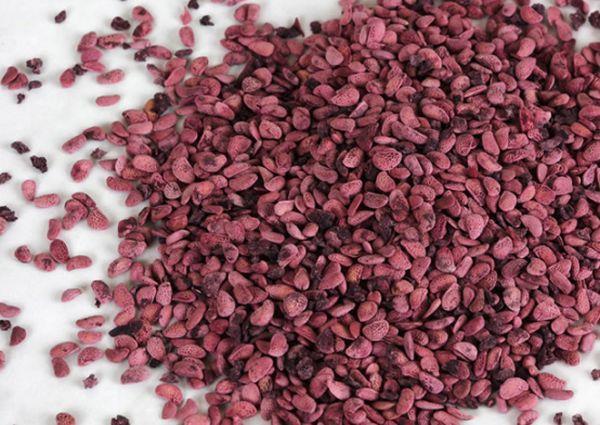
It's important to collect seeds for planting and growing seedlings correctly. Only large, sweet berries with no signs of damage should be used as planting material. The bushes from which the berries will be harvested must be healthy.
Store the seeds for up to one year in a cool place, such as the refrigerator. The berries are washed and mashed, then rinsed through cheesecloth to remove the pulp, leaving only the seeds. Raspberry seeds are small, so it's best to use thick cheesecloth.
The selected seeds are spread out on the same gauze and left to dry until they become loose. Once dry, they are ready to plant.
There's another way to select the seeds. Place the berries in cheesecloth and crush them to release the juice. Then, transfer the mixture to water. Some of the seeds should sink to the bottom. Some may float to the surface. These are unsuitable for planting. Next, spread the seedlings out on cheesecloth and let them dry.
What you will need
You don't need a lot of equipment to plant seeds. First of all, you need to select a spacious container and high-quality substrate.
Capacity
You can sow the seeds all together in one large container. Before planting, thoroughly wash and disinfect the containers. However, you'll need to transplant the seedlings once they've grown.
Picking is carried out after the seedlings have a couple of full-fledged leaves.
Another option is to plant the seeds in individual cups. However, raspberry seedlings are very small, and it can be difficult to select just one seed to plant.
Required soil composition
For planting seeds, it's best to purchase a ready-made soil mix that contains all the necessary elements for seedlings. The substrate should include:
- peat;
- Earth;
- coarse sand;
- mineral and organic fertilizers.
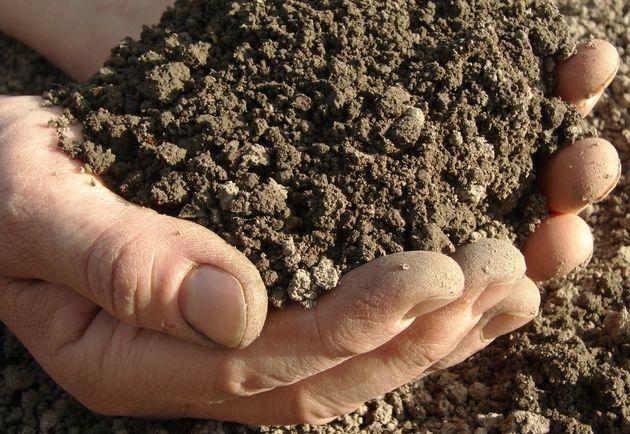
You can take soil from your plot. However, it should first be calcined or watered with a solution of potassium permanganate. Raspberries prefer neutral soil in open ground. The soil should be fertile and light. Black soil, loamy soil, or sandy loam are preferred.
Sowing patterns and timing
Seeds can be planted in spring or fall. Each sowing time has its advantages and disadvantages. In spring, seeds are grown indoors; in fall, they are sown directly into the ground.

In the spring
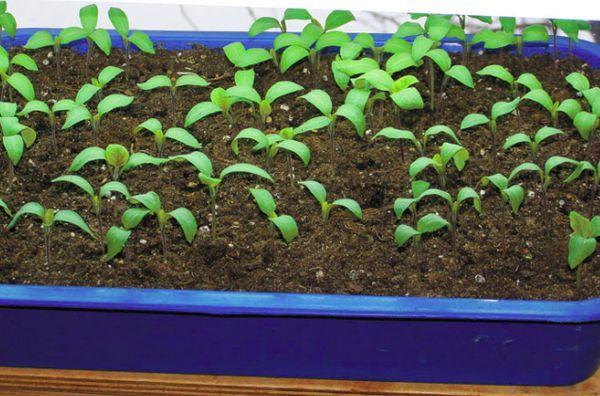
In the spring, raspberry seeds are planted indoors in the ground. They are sown in late February or early March. Before planting, it's best to germinate the seeds. This will significantly increase the germination rate.
The planting material is placed in containers and covered with film to create a greenhouse effect.
The film should be removed regularly to water and aerate the soil. Otherwise, the soil may become moldy. Raspberry seeds are planted on the surface of the soil. There is no need to cover them with soil. Sprouts should appear approximately 20 days after sowing.
In the fall
In the fall, seeds are sown in early September. The soil must be dug over to prevent insects that overwinter in the soil from eating the seedlings in the spring. Dig the soil to a depth of 15 cm. Sprinkle the soil with wood ash before planting. In the fall, sowing can be done directly into the ground.
The seedlings won't need to be replanted, meaning they won't be damaged. They also grow stronger, and only the strongest plants will survive.
But there are also downsides to planting seeds in the fall. Frosts in the spring can kill young seedlings. Germination rates will also be lower.
Growing raspberry seedlings at home
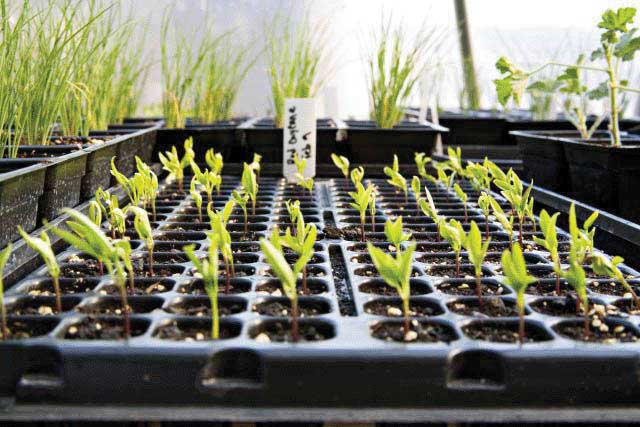
Before planting, the seeds need to be germinated. While this is not necessary, germinated seeds will germinate faster. To germinate, place the seeds in damp cheesecloth and cover with a second piece of cloth. Store the package in a dark, warm place. Spray the cheesecloth regularly with water to keep it constantly moist. After 2-3 days, the seeds will sprout and can be planted in soil.
Transplantation to a permanent location
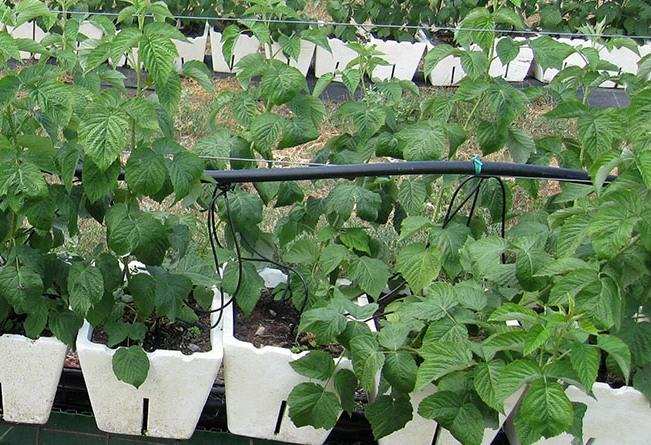
Planting raspberry seedlings is a crucial step, determining the future yield of the bush. It's best to plant the bushes in the fall. The soil is prepared 1-2 weeks before planting. The soil is tilled, mineral fertilizers are applied, and weeds are pulled.
Raspberries prefer open, sunny areas protected from strong winds. Avoid nearby trees, as the tree's root system will drain all the nutrients from the soil, leaving nothing for the raspberries to enjoy.
Before planting, harden off the seedling trays to prevent stress from the climate change. The trays are taken outside two weeks before planting. The first time, the seedlings are taken outside for 10 minutes. Gradually increase the time until reaching 30 minutes.
Dig holes in the soil 15-20 cm deep and 10 cm wide. Drainage material can be added to the bottom. Place the seedling in the hole and cover with soil. Leave 30-40 cm between the plants. Tamp the soil down near the base of the stem. Water the planted seedlings generously with warm water.


Before the onset of cold weather, seedlings are covered with spruce branches. Young saplings are not yet strong enough and may not survive severe frosts, especially if the winter is light on snow.
Further care
After planting, water the seedlings regularly until the cold weather sets in. Use warm water to prevent diseases and stem rot. Watering resumes in the spring.
It's important not to forget about fertilizing. In early spring, the bushes are watered with nitrogen-containing fertilizers. Closer to June, raspberries are fertilized with phosphorus and potassium.
You can regularly sprinkle the seedlings with wood ash and water them with a solution of bird droppings. In the fall, stop fertilizing. Once the bushes grow, consider staking them. While the seedlings are small, one row of wire is sufficient. As the bushes grow, increase the rows until they reach full height.
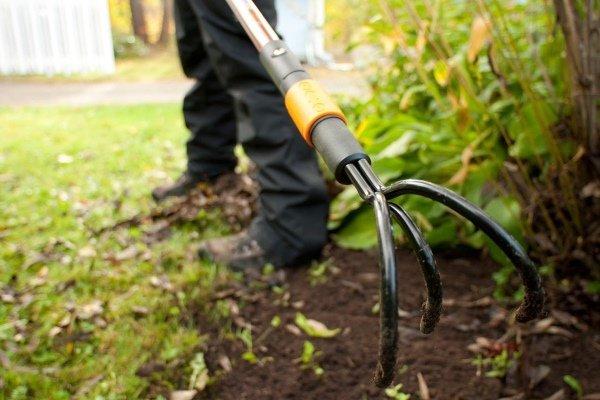
Once a week, loosen the soil and remove weeds. It's a good idea to aerate the soil before watering. The water will provide oxygen to the roots.
Preventative measures against diseases and pests are also important. In early spring, bushes can be treated with a Bordeaux mixture solution.
Treatment begins immediately at the first signs of disease. Severely affected seedlings should be dug up and burned, and the soil should be disinfected with a solution of potassium permanganate.
When to expect fruiting?
A significant drawback of this method of raspberry propagation is the long wait for a harvest. The seeds will only germinate and grow for the first six months. The first harvest can be collected in approximately 4-5 years, or perhaps longer. The onset of fruiting depends on the variety, climate conditions, and planting timing.

Basic mistakes and difficulties
Difficulties and mistakes in growing raspberries from seeds:
- Do not cover transplanted seedlings for the winter.
- Water the planted seeds and seedlings with cold water.
- Take seeds from low-quality fruits.
- Do not germinate before planting in the ground.
- Growing raspberries from seeds takes a lot of time.
- Most seeds may simply fail to germinate.
Although growing raspberries from seed isn't particularly difficult, it's nonetheless the least effective method of propagating the bush. It's extremely rare to grow a large number of seedlings. In fact, almost half of the seeds simply fail to germinate.
Related posts:
 Step-by-step instructions for planting and caring for raspberries in summer, tips from gardeners
 Description of the remontant raspberry variety Atlant, planting technology and care
 Description and characteristics of the Hussar raspberry variety, care and cultivation
 How and when is it best to transplant raspberries to a new location in the summer?
 How to treat raspberries against pests during fruiting and flowering
 Description of the Balsam raspberry variety, the intricacies of growing and caring for it
 Description and varieties of the everbearing raspberry variety Penguin, planting and care
 How to propagate remontant raspberries step by step using various methods