
Mint is a perennial plant with a refreshing taste and pleasant aroma. It is used in various fields: cooking, medicine, cosmetology, and simply as a decoration. Mint comes in many varieties, each with its own unique characteristics. One of the most well-known varieties is the chilli mint, also known as English mint. Let's take a closer look at how this variety differs from others and how best to grow it.
Features of the variety
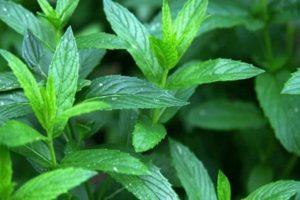
You can distinguish English mint from other varieties by the following characteristics:
- It has a strong smell and leaves a feeling of frosty freshness when consumed.
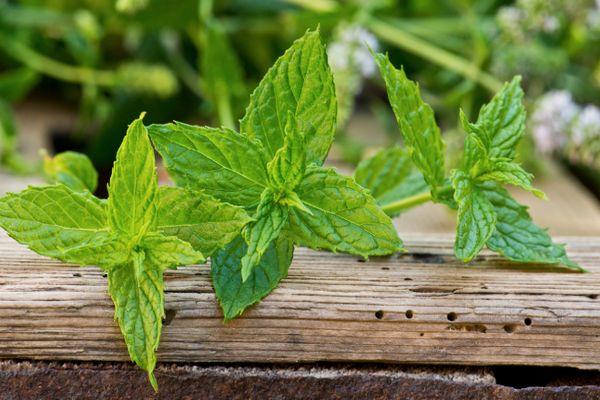
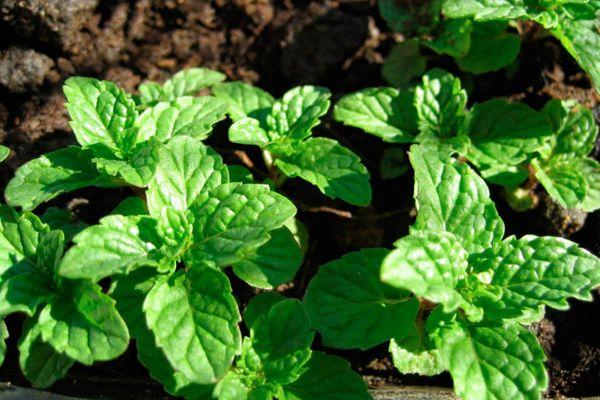
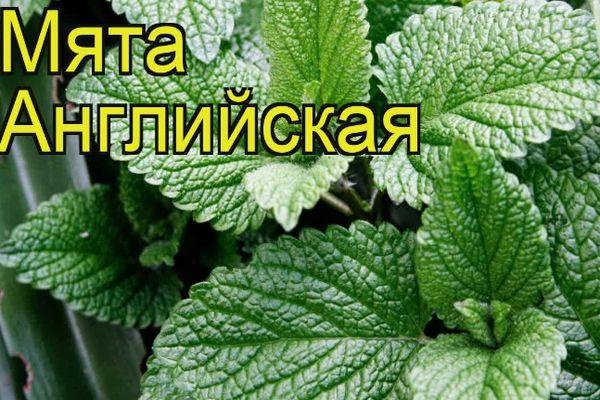
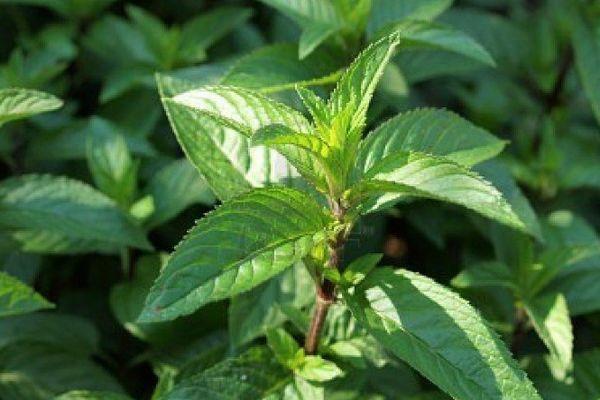
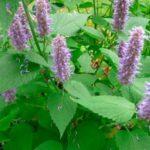
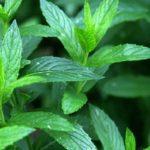
- The leaves are shaped like a chicken egg and are pointed at the tip.
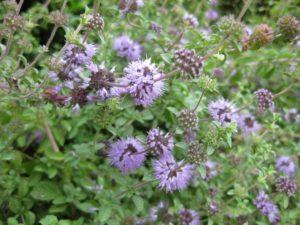
- The plant has small flowers with a lilac-colored corolla.
- The plant reaches a height of 1 meter.
- The root system is not deep and is located close to the surface.
- Mint blooms from June to late September.
- There are two types: white and black.
Growing Conditions for English Mint
Mint lovers who want to grow it in their gardens should pay attention to the following information:
- Mint is a sun-loving plant and doesn't tolerate drought well. Therefore, be sure to mist its leaves on dry days.
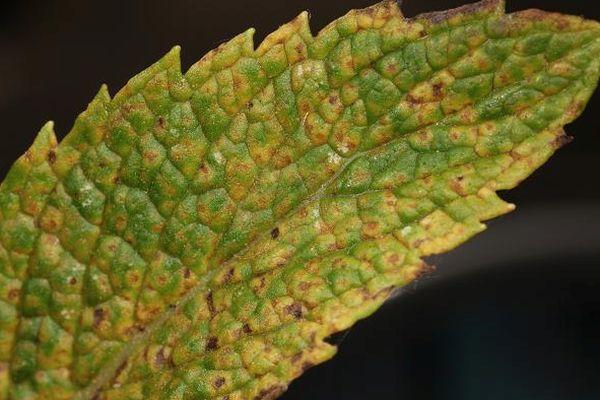
- Mint is best planted in soil rich in nitrogen. However, this doesn't mean it needs to be over-fertilized. Excessive fertilizer can result in a brown, rust-like coating.
- A temperature of +19°C is considered comfortable for growth. O.
- The lower the ambient temperature, the lower the menthol content in the leaves, which will significantly affect the taste of the plant.
- The plant comfortably tolerates winters down to -25 O, if there is at least 20 centimeters of snow on the ground. If there is no snow, the comfortable temperature will be -10 .
Please note! If the ground on the site freezes deeply and its temperature drops below -10 , the plants will die.
Timing of planting
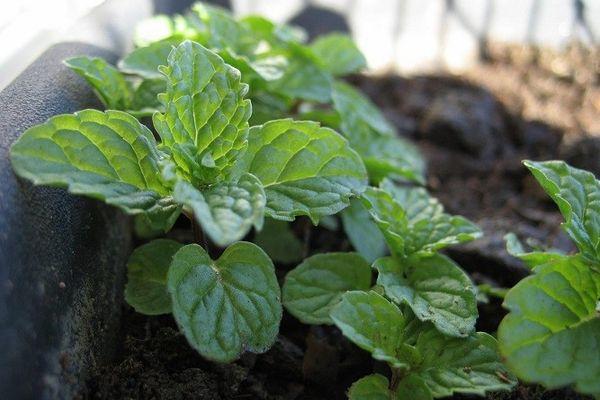
Before planting mint, you need to determine the growing conditions. If you're growing it indoors, you don't need to worry about specific dates; you can safely plant the plant whenever is convenient for you.
Plants grown in the garden are more demanding in terms of timing, although this isn't critical. The best time is considered to be from mid-April to early June. If you can't meet this deadline, don't worry. Mint is frost-hardy and can be planted even in early fall, when the soil is already starting to cool.
Preparation of planting material
Mint seeds are quite fussy and have a poor survival rate. Purchasing a packet of seeds may yield only 1-2 plants. Collecting the seeds yourself is not recommended, as it will take a significant amount of time and may misjudge their readiness for planting. This will result in a failed harvest and wasted time.
If you don't want to buy seedlings from a specialist store, you can use young shoots that form on an adult plant. Using a knife, separate the young shoot from the plant and place it in a glass of water. After a while, a root system will begin to form. Once the roots are 5 centimeters long, the seedlings can be transplanted into soil.
Preparing a landing site
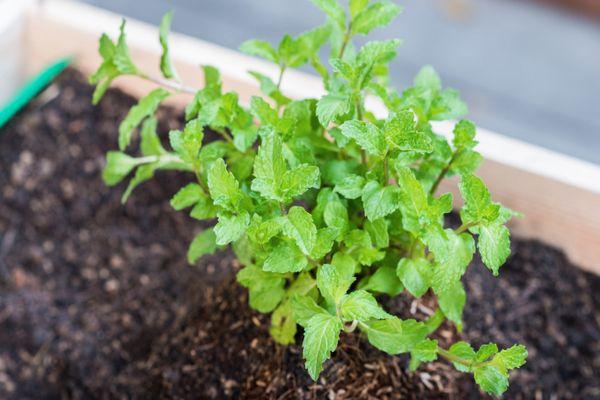
The soil where the mint will grow is thoroughly dug to a depth of at least 20 centimeters. If the soil is excessively wet, especially if groundwater is present close to the surface, it is necessary to create an additional cushion of soil. Although mint thrives on moisture, excessive moisture will not do it any good.
Once the soil is prepared, it is fertilized with the following substances:
- for 1 meter of area you will need about 3 kilograms of humus;
- In addition to humus, add 15 grams of ammonium nitrate and wood ash. You need about 2 tablespoons of ash.
These actions are great not only for mint, but for any perennial plant.
Planting a crop
The landing is carried out as follows:
- It is necessary to make furrows in the soil, the distance between which will be at least 25 centimeters.
- Its seeds are small, so for easy planting, use a special seeding syringe. You can also use a regular stick with a pointed end.
- The seeds are planted in the soil to a depth of 5 centimeters and covered with earth, after which they are carefully watered.
- Be careful that moisture does not wash away the soil and expose the seeds.
- Once the shoots reach 6 centimeters in height, they can be safely transplanted into the garden beds.
Rules for caring for mint
Mint is an easy-to-grow plant, and gardeners who want to grow it in their gardens are in luck. They won't have to spend hours slaving over their beds, ensuring optimal growing conditions for their crops. All they need to do is follow a standard procedure, and the mint will grow to perfection.
Important! Plants can be grown in one location for up to 5 years. After this period, they should be replanted.
Watering
There are no specific watering guidelines. It's enough to water the area generously and ensure the soil isn't too dry or too wet. Otherwise, there shouldn't be any problems. Keep in mind that excess moisture will cause root rot, and dry periods will reduce the taste of the produce.
Loosening and weeding
Loosen the soil and weed it at least once a month. This schedule will allow the crop to absorb maximum nutrients from the soil. This will speed up crop growth, resulting in a tasty and nutritious product.

Diseases and pests
The following diseases are typical for English mint:
- Powdery mildew. You can get rid of it by digging the soil in the fall and moistening it with water and colloidal sulfur.
- Brown spots appear on the leaves. Bordeaux mixture will help remove them.
- Root infection with microplasma. Replanting healthy plants to a new location and destroying infected shoots will help.
The following pests can hinder crop growth:
- aphid;
- mint flea;
- wireworm.
You can fight them with the help of special substances that destroy organisms harmful to mint.
Collection and storage
When harvesting, don't pluck the stems by hand; cut them with a knife or scissors. Cut off no more than one-third of the plant, preferably in dry weather, in the evening. For mint tea, you can begin harvesting in early spring.
The best time to harvest is considered to be early July. Mint should be harvested from the plot no more than three times a month.
Related posts:
 Description and properties of Moroccan mint, planting and care instructions
 Features and uses of spearmint, planting and care rules
 Names and descriptions of mint species, what varieties exist in nature
 General information about pennyroyal, planting and caring for ombalo or fleabane
 Description and cultivation of spearmint, planting and care rules
 Medicinal properties and contraindications of field mint, description and care
 The medicinal properties of mint for the human body, areas of application and contraindications
 Description and general information about chocolate mint, planting and care