
- Description and specifics of the plant
- Growing regions
- Appearance of the bush
- Smell and taste
- Useful properties and uses of herbs
- In medicine
- In cosmetology
- In cooking
- Planting a crop
- Deadlines
- Selecting and preparing a landing site
- Mint planting patterns
- Seed sowing technology
- How to plant cuttings
- Plant care
- Watering
- Fertilization
- Loosening
- Weeding
- Pest and disease control
- Breeding
- Seeds
- Cuttings
- Root suckers
- Harvesting and storage
- Gardeners' reviews of the variety
Growing chocolate mint requires following a few simple rules. There are forty varieties of mint, each with its own distinctive characteristics. Mint is grown outdoors, but can also be grown in flowerpots on a windowsill.
The plant is widely used in medicine, cooking, and can also be used in garden design.
Description and specifics of the plant
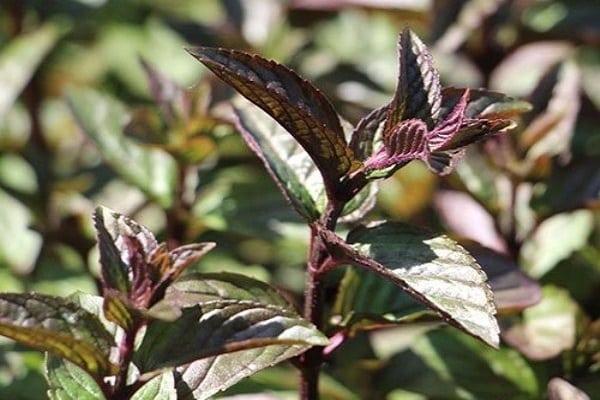
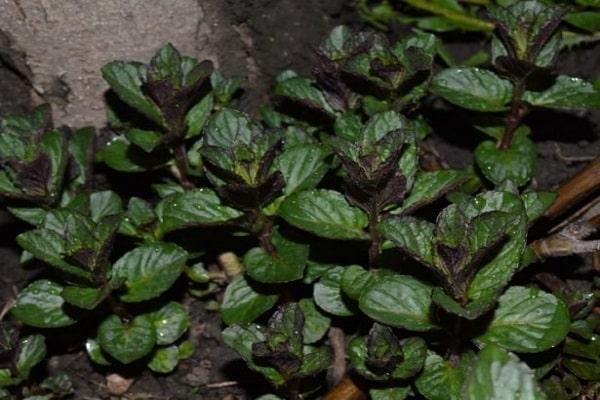
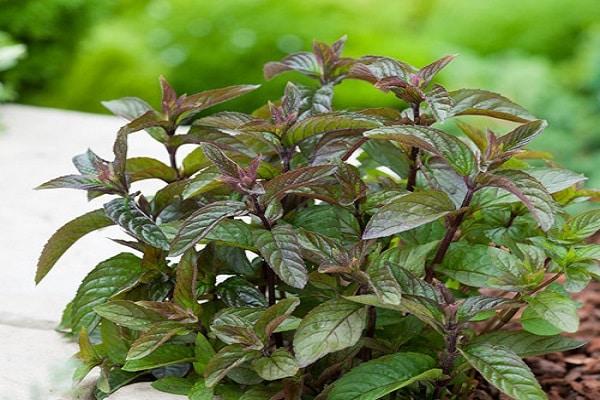
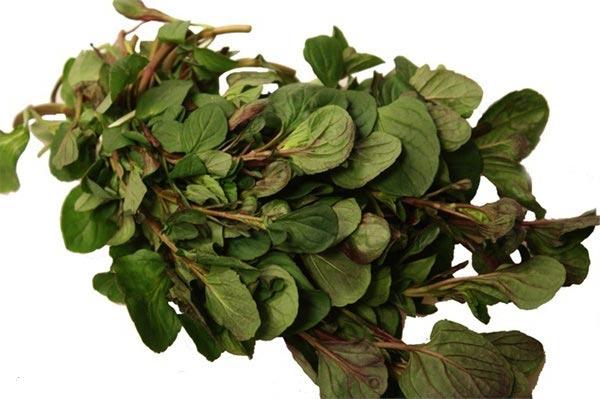
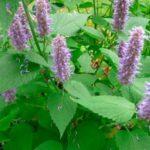
Chocolate mint is a perennial plant with a distinct, pungent aroma and rich essential oils. This variety gets its name from its chocolate-like aroma and the reddish color of its leaves.
Growing regions
Mint grows throughout almost all of Russia, except for the northern regions. It is also widespread in Europe.
Appearance of the bush
The bush grows up to 60 cm. The stems grow vertically. The green-purple leaves are rounded and arranged in pairs on the stem, opposite each other.
The flowers are small, dark purple, and collected in panicles.
Smell and taste
Compared to other types, this variety of mint has a milder taste, reminiscent of the aroma of chocolate.
All above-ground parts of the plant emit a minty aroma. Essential oil with this scent is present in all above-ground parts of the bush.
Useful properties and uses of herbs
This species is no less well-known than peppermint and has found wide application in various fields.
In medicine
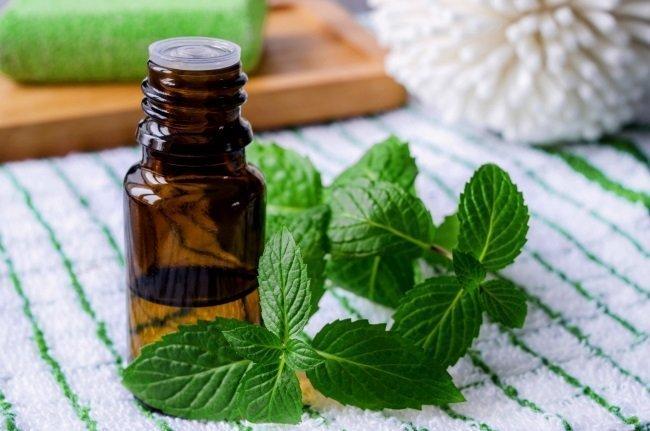
This plant helps with stomach irritation or pain. Peppermint tea is a preventative measure against gastritis. It can be beneficial for lung and bronchial conditions.
The herbal infusion alleviates allergy symptoms and helps the functioning of the cardiovascular system.
Chocolate mint reduces the risk of skin and colon cancer.
In cosmetology
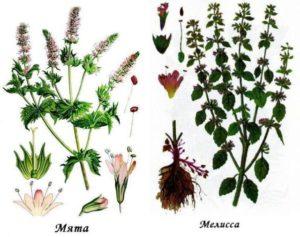
Mint is used to improve the condition of skin and hair. It is used to make face washes. Mint infusion compresses are effective for skin inflammation.
Mint solutions are used to wipe the skin to cleanse pores and combat acne.
Peppermint oil is used for herpes.
In cooking
This plant is used to prepare sauces for meat dishes. Tea made from mint leaves is a tasty and healthy drink.
This component is also added to the dough for making confectionery products according to the recipe.
Planting a crop
Landing occurs without any additional complications.
Deadlines
Chocolate mint is sown in early spring or late autumn, shortly before the onset of winter cold.
Selecting and preparing a landing site
This plant prefers the soil it is planted in to be loose and breathable.
It is recommended to add a mixture of soil, humus and wood ash.
You can purchase a general-purpose garden soil at a specialty store. When purchasing, check for lime content. If it's too lime-rich, the mint's scent will be less pronounced.
Mint planting patterns
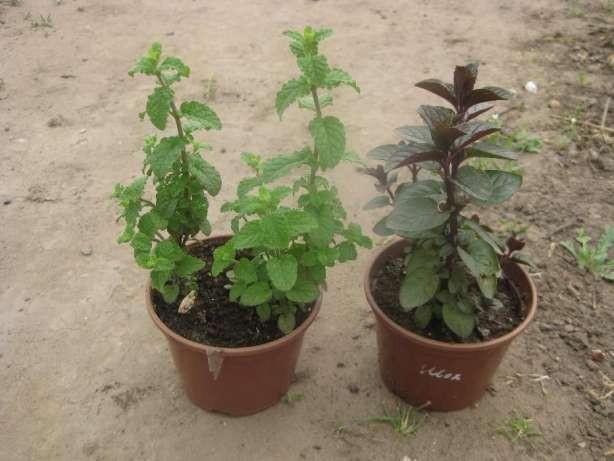
You need to make parallel strips 0.5 cm deep at a distance of 5 cm. The distance between plants in them should be 45-60 cm.
Seed sowing technology
Because of the size of the seeds, care must be taken when sowing. They are usually placed in wide, flat containers. To sow them, make furrows in the soil 0.5 cm deep.
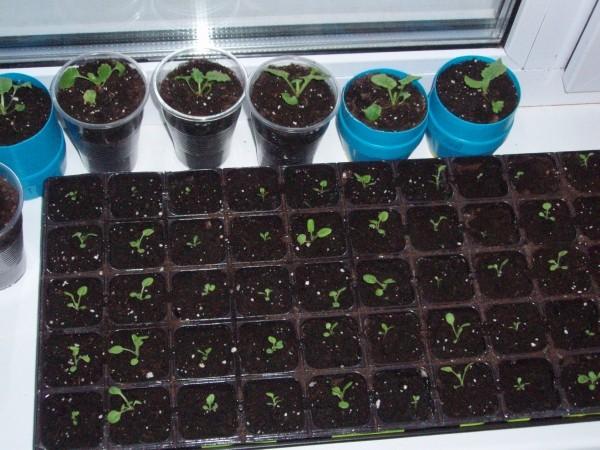
First, the seeds are planted in containers kept indoors at a temperature of 21-23 degrees Celsius. The soil is well moistened and covered with plastic wrap or glass.
Holes are made in the walls of plastic containers for ventilation.
Seedlings appear in 2-3 weeks. It's important to provide the seeds with good light during germination.
However, direct sunlight should be avoided, as this can cause burns. Once the plants have grown a little, they can be transplanted into other containers or into open soil. It's important to ensure good drainage for the chocolate mint.
It is desirable to provide light, diffused shading.
How to plant cuttings
The cuttings are planted in specially prepared soil: a mixture of humus, sand and fertile soil in a ratio of 1:1:2.
They should be planted at an angle, then watered thoroughly and provided with light shade.
Plant care
Chocolate mint's main characteristic is its love of moisture. Otherwise, care is straightforward.
Watering
Watering is very important for this plant. It should be done regularly. As soon as the soil dries out, water the mint.

Fertilization
Fertilize the plants every spring using nitrogen-containing fertilizers. Organic fertilizers are also used: compost, cow or chicken manure solution, and humus.
Loosening
Loosening the soil is also essential for mint; it allows the roots to breathe better and also helps retain moisture in the soil.
Weeding
Weeding is done when necessary. If not, weeds can choke the mint.
Pest and disease control
Mint of this variety has high resistance to diseases and pest infestations.
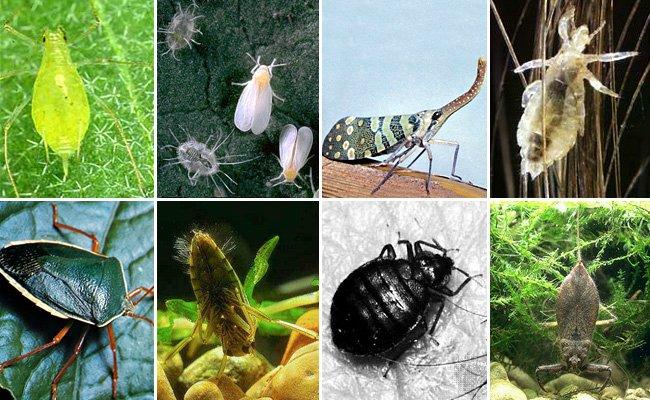
However, if not properly cared for, it may be attacked by the mint flea beetle, green shield beetle, and mint leaf beetle.
To combat them, systemic insecticides such as Deltamethrin, Fitoverm and others are used.
Rust infestation is possible. In this case, use fungicides such as Actarra or Actellik.
To combat powdery mildew, use a solution of colloidal sulfur.
Breeding
There are several ways to propagate a plant.
Seeds
Growing from seed is a lengthy and labor-intensive process. Seed germination rates are low. If hybrid varieties are propagated this way, the new plants will not inherit their parents' traits.
The seeds are black in color and their diameter does not exceed 0.5 mm.
To grow, collect seeds or buy them in a specialty store.
A mixture of humus and sand is made and then added to the soil. The seeds are placed in furrows 5 mm deep and covered with soil.
Cuttings
Propagation by cuttings is carried out as follows:
- When propagating by cuttings, it is necessary to select thick stems.
- Cuttings 10-15 cm long need to be cut from the top.
- Place the cuttings in a container of water. The depth should be no more than 2 cm. Otherwise, there's a high risk of rot.
- The sprouts are kept in water until the length of the roots reaches 7-10 mm.
- To obtain branched roots, place a thick layer of gauze or cotton wool on the bottom and wait a few days. After this, the plants are planted in open ground.
Root suckers
To obtain root suckers, dig up the root, clean it of soil, and divide it into several pieces. It's important that each piece has at least one sprout. Each root sucker is then planted separately.
Harvesting and storage
After the flower stalks have formed or when flowering has ended, begin cutting off the mint shoots.
With proper care, it is possible to harvest chocolate mint three times a year.Time, when mint shoots are harvested, lasts until the end of August.
The harvest is dried in a well-ventilated area away from direct sunlight. The dried mint is placed in glass jars for storage.
Gardeners' reviews of the variety
Nikolay, 43 years old, Stavropol
We also grow chocolate mint at our garden. My wife, kids, and I love drinking it with tea in the winter. It doesn't require any special care, but I highly recommend it.
Marina, 51 years old, Rybinsk
I consider mint a must-have in your garden or windowsill. The aroma and taste are indescribable. I recommend it to everyone.
Related posts:
 General information about pennyroyal, planting and caring for ombalo or fleabane
 Description and properties of Moroccan mint, planting and care instructions
 Description of mint diseases and pests and their control: white bloom, powdery mildew and others
 Description and cultivation of spearmint, planting and care rules
 Medicinal properties and contraindications of field mint, description and care
 The medicinal properties of mint for the human body, areas of application and contraindications
 Features and uses of spearmint, planting and care rules
 Description of black mint, plant characteristics, planting, yield, and storage