- How to distinguish between mint and lemon balm
- By external signs
- Smell
- Taste
- Differences in chemical composition
- Comparison of cultures
- Useful and medicinal properties of mint and lemon balm
- What is more calming?
- Caloric content, nutritional value
- Where are medicinal herbs used?
- How can it be used in medicine?
- Cosmetology
- Dietetics
- Are they harmful? And who are they contraindicated for?
Homeowners often plant mint and lemon balm in their gardens. Many enjoy using these aromatic herbs to brew tea, yet not everyone can tell them apart in practice. While they do look very similar at first glance, there are a number of distinctive features that make them easy to distinguish.
How to distinguish between mint and lemon balm
Understanding the differences between plants requires some botany. Mint, for example, belongs to the Lamiaceae family and is characterized by a strong aroma and significant menthol content. Melissa is a herbaceous perennial plant belonging to the same family as mint. These plants differ in a number of characteristics, which we will discuss below.
By external signs
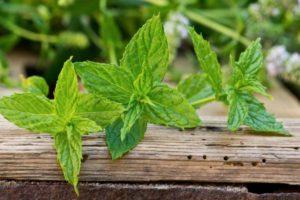
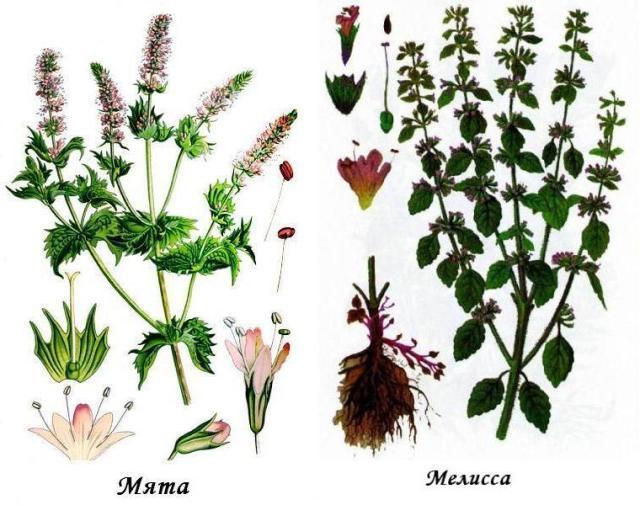
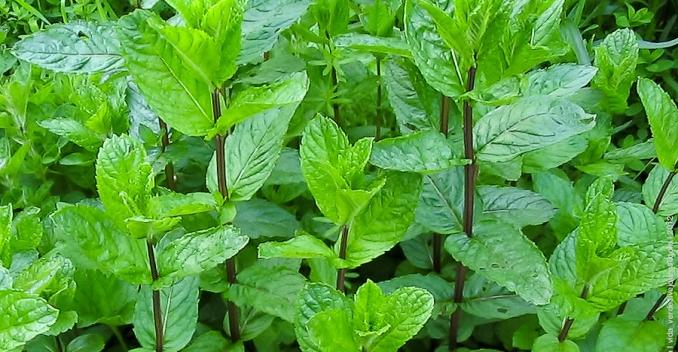
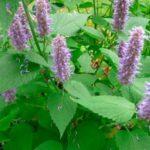
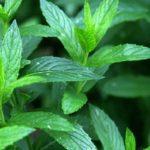
Upon closer inspection, the differences between the plants are easy to spot. Mint has a straight stem, and the purple flowers are gathered in spike-like inflorescences. The plant grows to a height of no more than one meter. The roots are thin, and the leaves are oval. The plant rarely bears fruit.
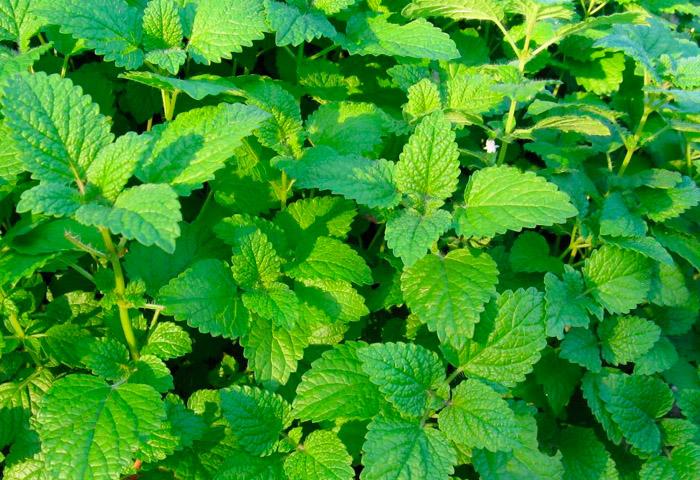
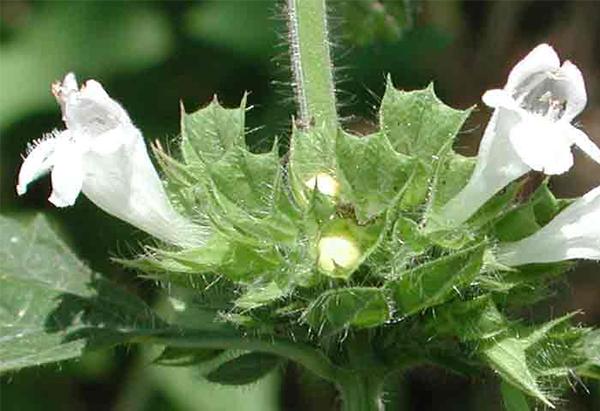
Melissa has a branched stem, with flowers shaped like false rings and a lilac hue. The plant can reach a height of one and a half meters. The leaves are oval.
Smell
It's easier to distinguish these two plants by their scent. Mint has a distinct menthol aroma. Melissa, on the other hand, has a milder scent with hints of lemon.
Taste
As for flavor, the herbs are easy to distinguish. The first plant has a menthol-like scent, so it tastes similar. Peppermint is sometimes added to meat or baked goods; it's easy to identify by taste due to its spiciness.
Melissa has a less pronounced aroma, and only after thorough chewing can one detect the lemon flavor. This herb is often added to lemonade.
Differences in chemical composition
Mint is characterized by a rich chemical composition, in particular, it boasts:
- essential oils;
- dietary fiber;
- fats;
- saturated acids;
- minerals;
- vitamins (groups A, B, C).
Melissa doesn't contain many beneficial substances. However, this doesn't negate its beneficial effects on the body. The plant contains minerals such as manganese, magnesium, and iron; vitamins A and B; and fats.
Comparison of cultures
Next, we propose to consider the comparative characteristics of mint and lemon balm.
Useful and medicinal properties of mint and lemon balm
When talking about the beneficial properties of mint, it is worth noting that the plant:
- used as a sedative;
- reduces pressure;
- expels bile;
- has a diuretic effect;
- relieves symptoms of nausea;
- has an analgesic effect;
- has an anti-inflammatory effect (in cosmetology);
- promotes hair growth;
- eliminates bad breath;
- reduces appetite;
- tones the body;
- promotes sobriety after alcohol abuse.
Melissa has the following beneficial and medicinal properties:
- improves immunity;
- cleanses blood vessels;
- tones;
- has a positive effect on brain function;
- strengthens the body;
- used as an anti-inflammatory agent;
- has an antiviral effect;
- promotes rapid removal of fluid from the body;
- relieves psycho-emotional stress.
What is more calming?
For a calming effect, lemon balm tea is a good choice. Both lemon balm and mint can lower blood pressure, so those with low blood pressure should avoid excessive consumption.
Caloric content, nutritional value
In terms of calories, 100 grams of mint contains 70 kilocalories. Additionally, the herb contains: 3.75 grams of protein, 0.94 grams of fat, 6.89 grams of carbohydrates, 8 grams of dietary fiber, 1.76 grams of ash, and 78.65 grams of water.
The same amount of lemon balm contains 49 kilocalories. The nutritional value of this plant is: 3.7 grams of protein, 0.4 grams of fat, 8 grams of carbohydrates, 85.55 grams of water, 2.03 grams of ash.
Where are medicinal herbs used?
Next, we propose to analyze where medicinal herbs are used.
How can it be used in medicine?
In medicine, mint and lemon balm don't differ much. The only thing to consider is dosage. These herbs are primarily used as a sedative.
Cosmetology
Melissa is widely used in cosmetology. The plant is used in masks and creams. Melissa is suitable for both dry and oily skin. It can also help with dandruff. Mint is recommended for people with oily skin. Plant-based products can tighten pores, eliminate shine, and dry out dry patches.
Also, adding mint infusion to your shampoo can speed up hair growth.
Dietetics
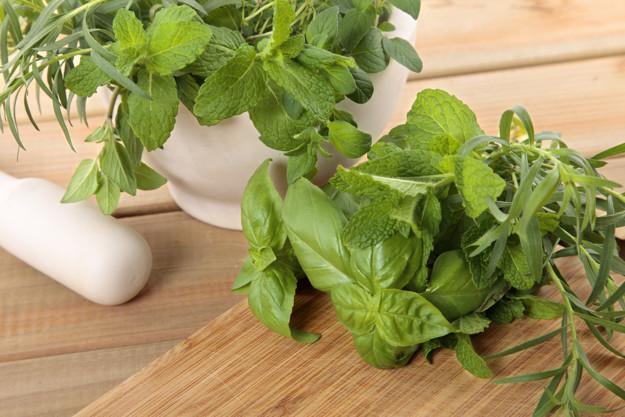
Both mint and lemon balm are used in cooking. They are often added to salads and vegetable soups. Dried plants are used as seasonings. Their flavor and aroma make them ideal for pickling various ingredients for the winter.
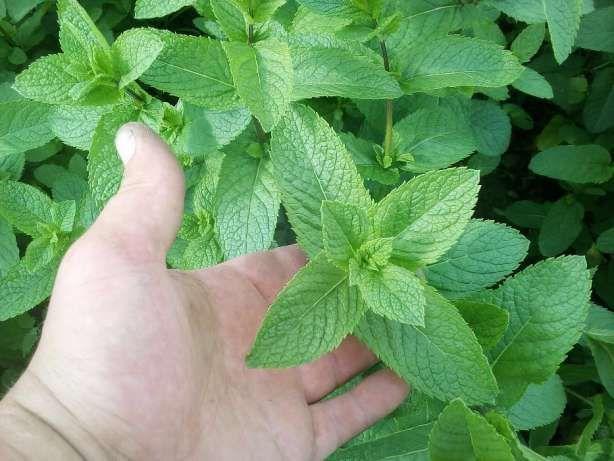
Mint acts as a powerful flavoring agent. It's used as a flavoring additive in sweets and even as a decorative element. Melissa rarely features in confectionery.
Are they harmful? And who are they contraindicated for?
The question of the harmful effects of plants remains equally pressing. Mint and lemon balm can have a strong sedative effect on some people, so those engaged in jobs requiring increased concentration should keep this in mind. Herbal teas are also not recommended for children.Mint should not be included in the diet of those who suffer from varicose veins.
Related posts:
 Names and descriptions of mint species, what varieties exist in nature
 Features and uses of spearmint, planting and care rules
 General information about pennyroyal, planting and caring for ombalo or fleabane
 Description and cultivation of spearmint, planting and care rules
 Medicinal properties and contraindications of field mint, description and care
 The medicinal properties of mint for the human body, areas of application and contraindications
 Description and properties of Moroccan mint, planting and care instructions
 Characteristics and descriptions of the 40 best red currant varieties