
- Specifics of the marsh mint variety
- Definition and botanical description of fleabane
- The appearance of the ombalo
- Beneficial properties and contraindications
- Scope of application
- In cosmetology
- In cooking
- In medicine
- What you need for growing
- Suitable climate
- Soil composition
- Temperature conditions
- Preparatory work
- Inventory
- Preparing the site and planting material
- Timing and technology of planting
- Seeds
- Cuttings
- How to care for the variety
- Watering and fertilizing
- Loosening and weed removal
- Prevention and treatment of diseases
- Insect protection
- Methods of reproduction
- Harvesting and preparation of crops
Known for its beneficial properties and high decorative qualities, pennyroyal is often found in garden plots. It's not only a garden ornament but also a pleasant culinary herb, used sparingly and in moderation.
To grow this medicinal and unique plant, you need to become more familiar with its strengths and weaknesses, planting requirements, and care guidelines.
Specifics of the marsh mint variety
To ensure that pennyroyal grows and develops normally, and also brings benefits, it is necessary to learn as much as possible about it.
Definition and botanical description of fleabane
Pennyroyal is a perennial herbaceous plant with a distinct spicy aroma and medicinal properties. This unique plant was known in ancient Rome and Greece, where nobles wore wreaths of it on their heads. It was prized for its ability to enhance mental performance. In ancient Rus', the Slavs mown it and used it to cover the floors of their homes.
Another name for marsh mint is flea mint, flea mint, ombalo (more commonly used in Georgia).
This spice crop grows in coastal areas and floodplain meadows. Its native land is East Asia and it is also found in Europe. Pennyroyal is also widespread in the North Caucasus and southern Russia. In countries such as Turkmenistan, Spain, and North Africa, pennyroyal is cultivated.
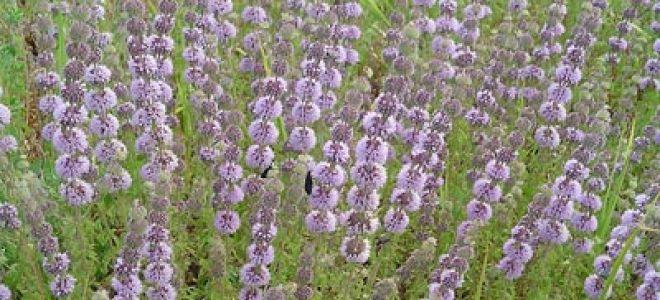
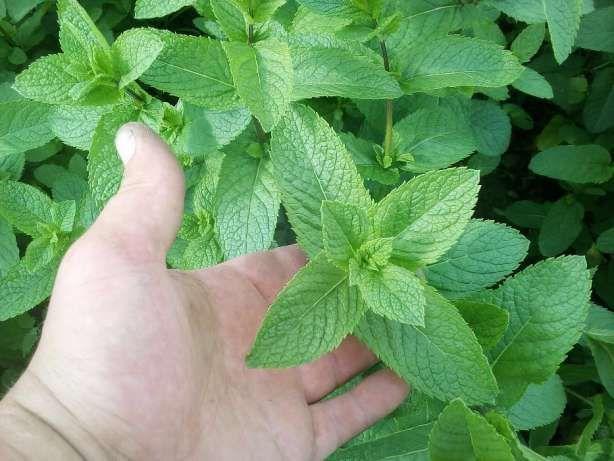
The Mint genus belongs to the Lamiaceae family. This herbaceous plant grows to a height of no more than 50 centimeters. Its rounded stem has a smooth surface and is heavily branched, and can be either prostrate or erect.
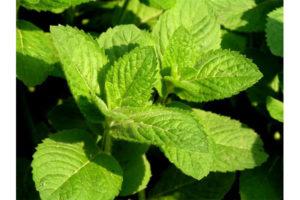
The leaf blades also have a smooth surface and are lightly pubescent. The petioles are short, light green, and come in a variety of shapes: elliptical, oval, and oblong-ovate. The leaflets reach 1-5 centimeters in length and 1.5-3 centimeters in width. The distinct veins on the leaf blades create a beautiful texture.
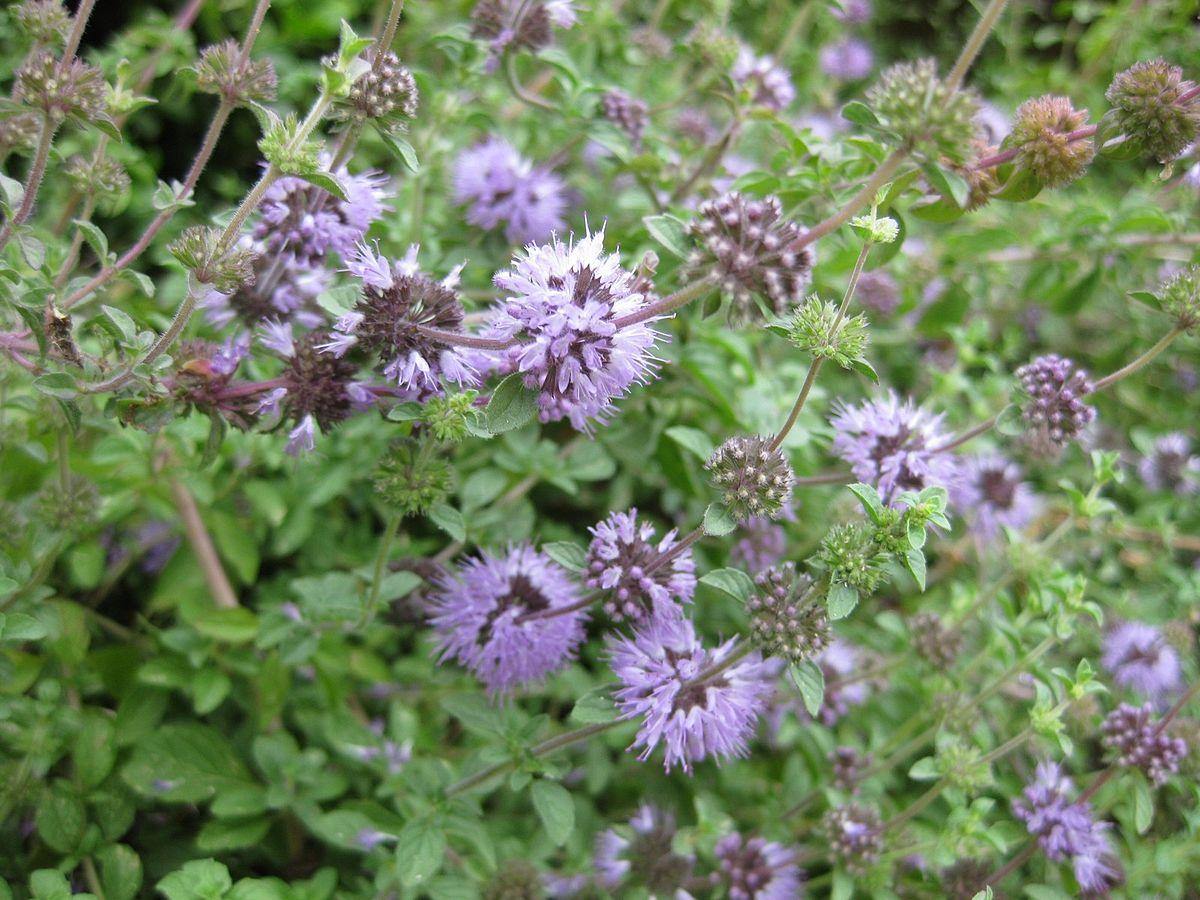
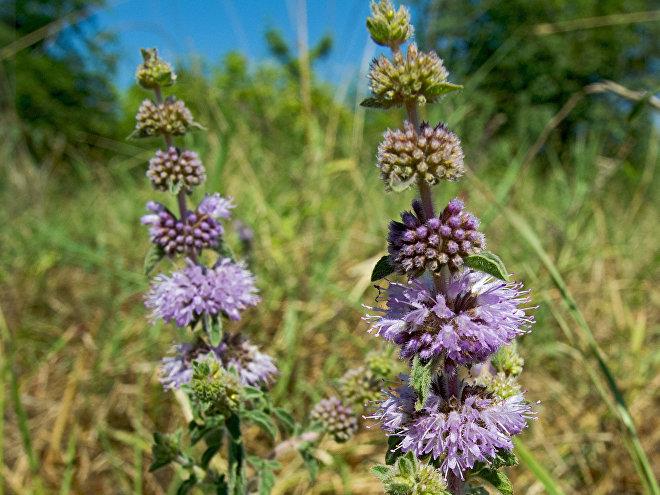
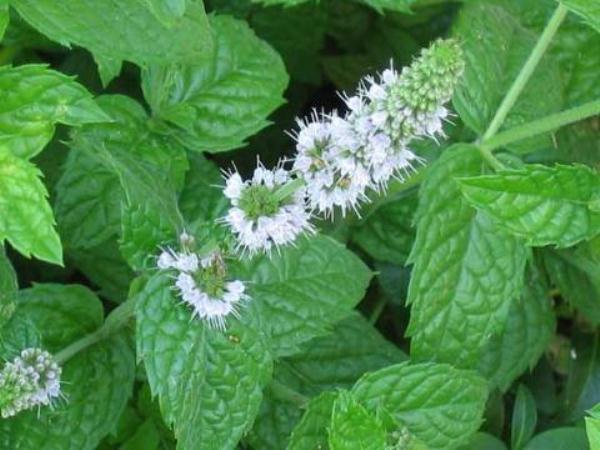
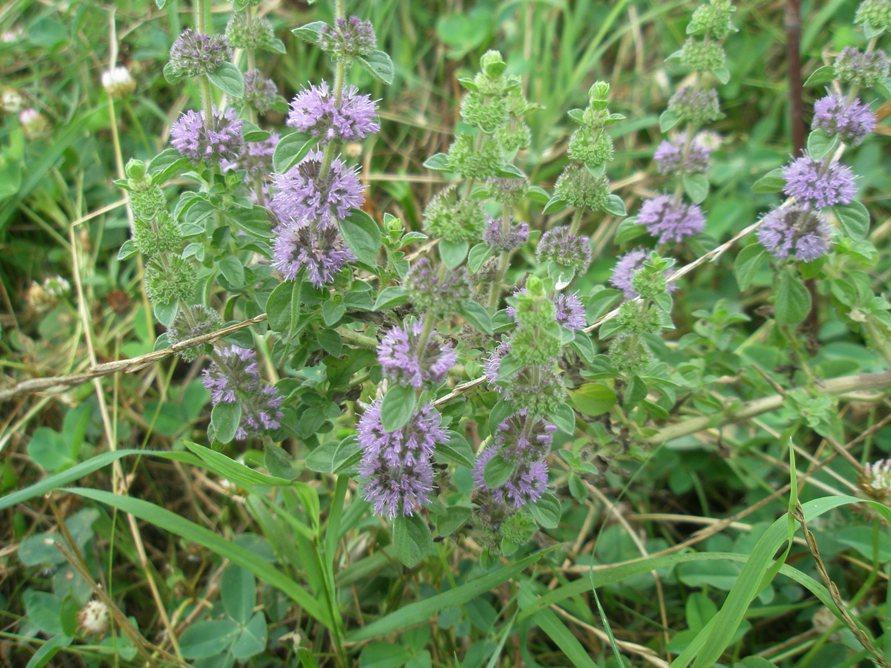
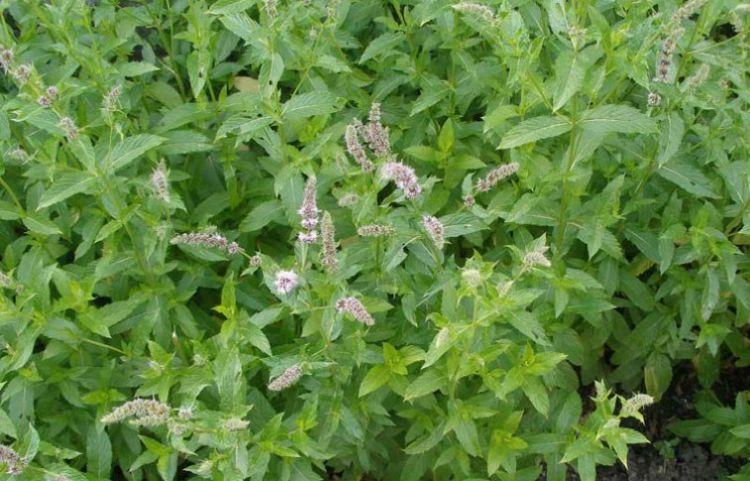
Flowers, formed in the leaf axils, are gathered into ringed, spherical inflorescences. The corolla is lilac-pink, and the tube is white. The flowering period is quite long, beginning in June and lasting until the first frosts (November). The fruits are nut-shaped, glossy, brown.
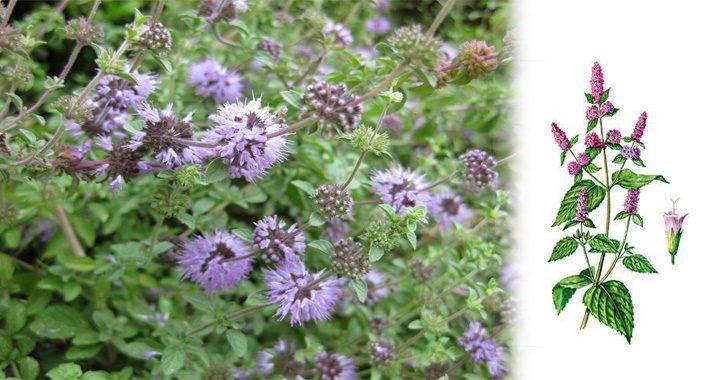
The appearance of the ombalo
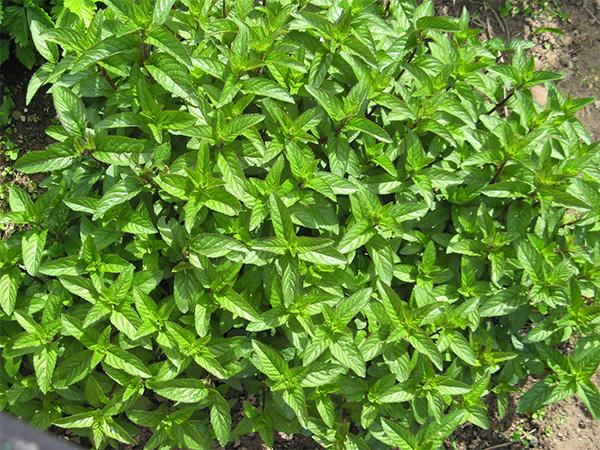
Unlike other members of the mint genus, pennyroyal has its own distinct characteristics. The bushes grow compact, the shoots are mostly prostrate, and the foliage is green. The most strongly scented varieties of pennyroyal, such as Sonya and Pennyroyal, attract large numbers of bees and butterflies during flowering, creating the appearance of a lilac ring around the stem. The flowers have a fruity aroma with hints of lavender.

Beneficial properties and contraindications
Pennyroyal is very popular among both herbalists and alternative medicine practitioners. The shoots and leaves of the plant contain high concentrations of essential oils and tannins. They also contain beneficial components such as:
- carotene;
- saponins;
- flavonoids;
- ascorbic acid.
Marsh mint is valued as a herbal product for its medicinal properties, such as:
- antiseptic;
- anti-inflammatory;
- anesthetic;
- wound healing.
However, it is not recommended to use pennyroyal as a medicine for patients suffering from the following diseases:
- uterine bleeding;
- liver and kidney dysfunction;
- allergies.
In addition, pregnant and breastfeeding women, children under two years of age, and individuals with individual intolerance should not use pennyroyal.
When using pennyroyal, it's important to know that it's a poisonous plant. In addition to its beneficial components, the leaves also contain a volatile poison called pulegone, which, in high doses, can cause miscarriage and even death.
Scope of application
Marsh mint has found its application not only in folk remedies, but also in cosmetology, cooking, and landscape design.
In cosmetology
Pennyroyal has a proven track record of exceptional benefits, and is considered a valuable and versatile plant. It has a beneficial effect on skin, improving its condition, and hair, moisturizing and nourishing it. It is widely used as an ingredient in professional skincare products, as well as various home remedies.
Pennyroyal is often found in skin and hair masks. This plant is used to make tonics, compresses, lotions, and poultices. Pennyroyal-based shampoo and conditioner are particularly effective against seborrhea.
In cooking
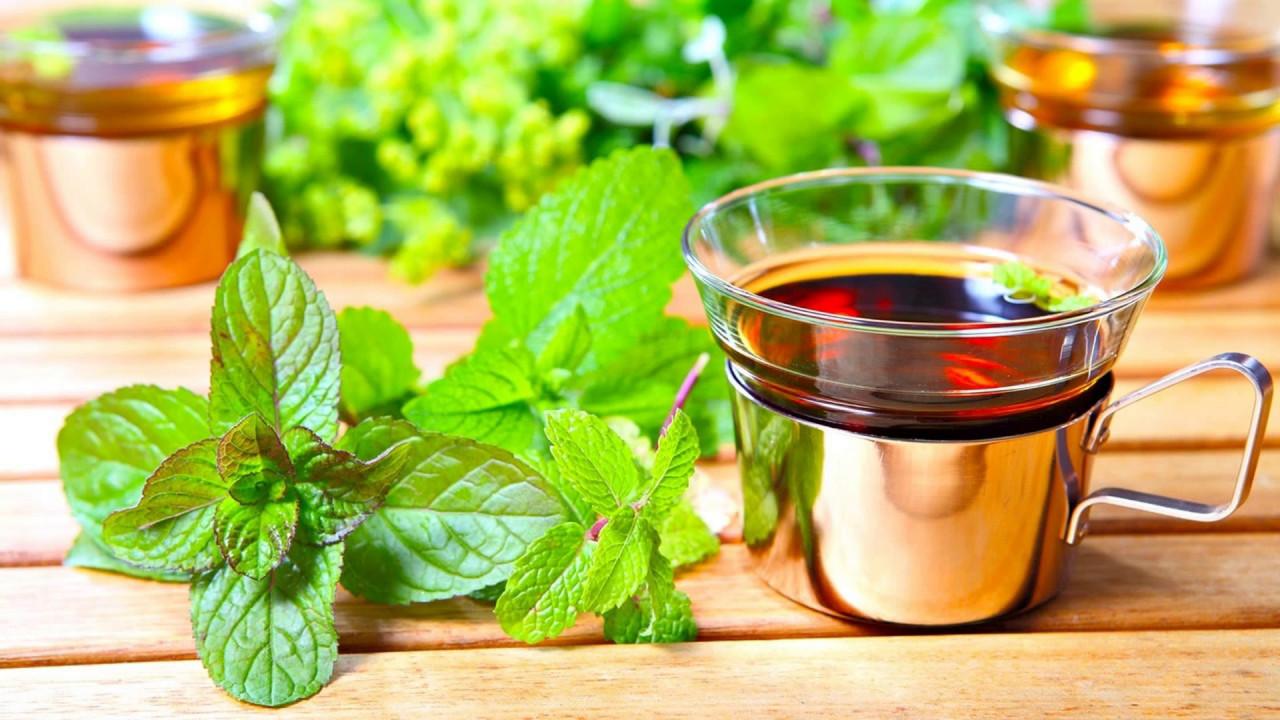
Pennyroyal was also used as a culinary spice by the Greeks and Romans. It was added to food and wine to impart a piquant flavor. The plant's leaves are used in recipes for the British meat pudding Hog's pudding and the famous drink, the mojito. Freshly cut mint leaves (before flowering) and frozen ones are also used for culinary purposes.
This natural flavoring has also found its use in home canning, preserving fruits and berries for the winter. Fresh mint leaves also add a unique touch to cakes and desserts. They are also used as a savory addition to alcoholic and non-alcoholic beverages.
In medicine
Pennyroyal is often prescribed for:
- bronchial asthma;
- bronchitis;
- colds;
- diseases of the gastrointestinal tract;
- gout;
- problems with the nervous system;
- stressful conditions;
- sleep disorders;
- headaches;
- menstrual pain, stomach pain;
- cholelithiasis;
- stomatitis;
- inflamed gums;
- bad breath;
- skin diseases.
What you need for growing
Flea mint is a relatively easy-to-grow plant, requiring little care and attention. However, for the plant to thrive, it needs to be provided with comfortable conditions.
Suitable climate
Fleabane thrives in warm climates, such as those found in southern Russia, Crimea, and the northern Caucasus. Cultivation of this plant in colder climates is also possible, but will not yield a bountiful harvest.
Soil composition
It's recommended to select sites with fertile soil for fleabane. The plant will thrive in poor soil, but its foliage will be dull. The soil should also be well-drained and well-ventilated. In highly humid soils, pennyroyal is often susceptible to fungal infections, rot, and mold.
Temperature conditions
Fleaweed is a heat-loving plant. Therefore, it requires additional shelter during the winter. It can withstand temperatures as low as -23 degrees Celsius. However, in such regions, it's best to cultivate it from seedlings.
Preparatory work
To create the most favorable conditions for the rooting and growth of marsh mint, it is necessary to prepare the appropriate tools and soil.
Inventory
For planting work you need to prepare:
- bayonet shovel;
- scoop;
- lightweight rake;
- sharp pruning shears;
- protective gloves.
Preparing the site and planting material
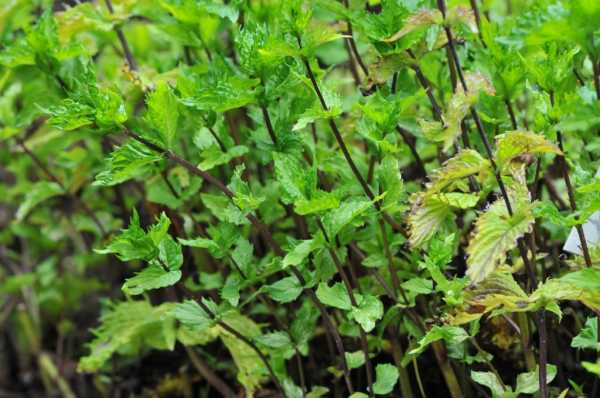
When choosing a site for planting pennyroyal, choose a sunny location with loose soil. Northerly winds are quite damaging to pennyroyal; when the soil becomes dry, its vegetative parts begin to dry out. The best option is to plant pennyroyal near buildings.
Prepare the site for marsh mint in the fall, clearing it of weeds. After deep digging, add rotted manure at a rate of 4-5 kilograms per square meter. Given the small size of the planting material, it should be mixed with clean sand or coffee grounds before planting.
Timing and technology of planting
Growing pennyroyal is equally effective both by seed and vegetatively. The key is to understand the basic intricacies of each process.
Seeds
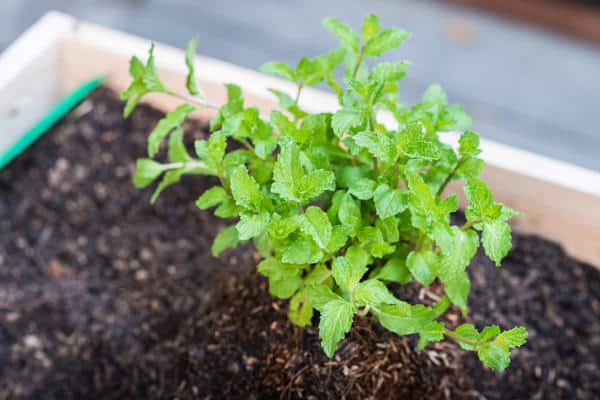
The optimal time for sowing is early April. Pennyroyal seeds mixed with sand are evenly spread over pre-moistened soil, lightly sprinkled with sand, and moistened with a spray bottle. The seedlings should be spaced 15-20 centimeters apart, and the furrow depth should be 2-3 centimeters.
If the pennyroyal seedlings were sown in containers, then the plants are planted in a permanent location after 3-4 leaves appear.
Cuttings
Cuttings are taken from early spring to early August. To obtain cuttings, take 10-centimeter-long shoots from the bush and root them in damp sand or water. Pennyroyal cuttings are planted in containers filled with sand at a 45-degree angle, then covered with plastic to create a greenhouse effect.
They are periodically aired and moistened, and after 1-2 weeks, they are moved to their permanent location. Plants are planted no more than 5 centimeters deep, maintaining a distance of 15 centimeters between plantings.
Take a look Also
How to care for the variety
Despite the unpretentiousness of pennyroyal, it still requires some care.
Watering and fertilizing
Irrigation should be carried out as the topsoil dries. Watering should be moderate, and daily during dry weather. Excessive soil moisture can lead to rotting of the pennyroyal root system.

Loosening and weed removal
To prevent pennyroyal roots from becoming depleted of oxygen, it is recommended to loosen the soil after each watering. Weeds must be removed regularly, otherwise the soil will quickly become depleted.
Prevention and treatment of diseases
Pennyroyal is most often susceptible to fungal diseases. Rust and powdery mildew may appear on the bushes. These diseases are caused by improper watering or excessive nutrient application. In these cases, replanting will be necessary; treatment with agrochemicals is not recommended if the plant's leaves are intended for consumption.
Insect protection
Pennyroyal can be attacked by parasites such as leaf beetles, fleas, ticks, caterpillars, and mole crickets. They consume the plant's green foliage, as well as its underground parts. To protect pennyroyal from pests, spray it with a celandine-based solution (250 grams of the herb per 8-10 liters).
Methods of reproduction
Pennyroyal can be propagated in several ways: by seed, cuttings, and by dividing the rhizome. Divide the root in the spring, washing it first and allowing it to air-dry. When dividing, leave 8-10 nodes (buds) in each plot. These are planted in 10-centimeter-deep trenches filled with a mixture of humus and charcoal (2:0.5).
Harvesting and preparation of crops
Pennyroyal is harvested in midsummer, selecting only healthy specimens. The dried herb is stored in canvas bags or ground in a coffee grinder and placed in clean glass containers.
You can also store mint in plastic bags in the refrigerator, removing excess air from them.
Pennyroyal is a medicinal and beautiful herbaceous plant. Growing it is easy if you know the basics of planting and care. It is a relatively easy-to-care-for and beneficial plant that should be in every garden.
Related posts:
 Names and descriptions of mint species, what varieties exist in nature
 Description and cultivation of spearmint, planting and care rules
 Features and uses of spearmint, planting and care rules
 Description and properties of Moroccan mint, planting and care instructions
 Description and general information about chocolate mint, planting and care
 Medicinal properties and contraindications of field mint, description and care
 The medicinal properties of mint for the human body, areas of application and contraindications
 How to properly plant mint seeds outdoors at your dacha