
- Plant varieties
- Why mint is dangerous in the garden
- What conditions does mint need for successful growth?
- Mint planting times
- How to choose high-quality planting material
- Selecting seeds for planting
- How to choose mint seedlings
- Selecting a site
- Planting in open ground
- General rules for caring for mint
- Diseases and pests of mint
- Collection and storage
There are several ways to grow mint in your garden. The most difficult is growing seedlings from seeds, but you can propagate the spice from cuttings. For good growth and development, the plant requires certain conditions, which will be discussed in this article. It's important to plan the planting time. Care begins with preparing the plot and selecting high-quality seeds.
Plant varieties
There are a wide variety of mint species (up to 25). Many cultivars have been artificially bred. Each plant variety has its own strong, pleasant aroma and flavor.
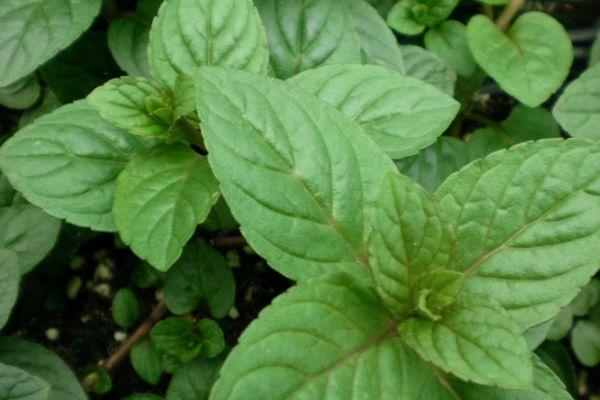
Peppermint is the most common. Due to its high essential oil content, it is used more often than other herbs in medicine, cooking, and cosmetology. This variety was created by crossing water mint and garden mint. It has a unique, slightly pungent and cooling flavor.
Other varieties include white, apple, curly, water, flea, field, longleaf, and spike mint. Mint flavors such as banana, strawberry, ginger, pineapple, chocolate, and lemon also grow.
Why mint is dangerous in the garden
When planting mint in your garden, keep one thing in mind: the plant's root system grows very quickly, gradually taking over the surrounding area. To remove the spice from your garden, you'll have to deeply dig up the entire plot.
Experienced gardeners advise: before planting mint, fence off the area, for example, with slate sheets. Dig these deep into the ground around the intended planting area.
There's another way to protect the soil from the plant's endlessly spreading roots. Plant the mint in a separate container (a basin or bucket will do). Dig the container into the soil, leaving a small rim. Growing it is hassle-free, and you can plant other crops nearby without worrying about the mint's roots getting in the way.
What conditions does mint need for successful growth?
Before planting the spice, you need to select and prepare a site. It's best to grow the herb in a location previously occupied by legumes, potatoes, buckwheat, carrots, turnips, or melons.

Mint planting times
Mint is a frost-hardy plant. It can be planted in early spring and even late fall. The key is to remember that each season requires a specific planting method:
- The plant should be sown from seeds in early spring. It will take root over the summer and will withstand adverse weather conditions.
- In summer, planting is done using cuttings.
- Autumn replanting is done using cuttings only. To prepare the plant for winter, the soil is mulched. Sawdust or peat are suitable mulch. The layer should be thick, at least 15 centimeters.
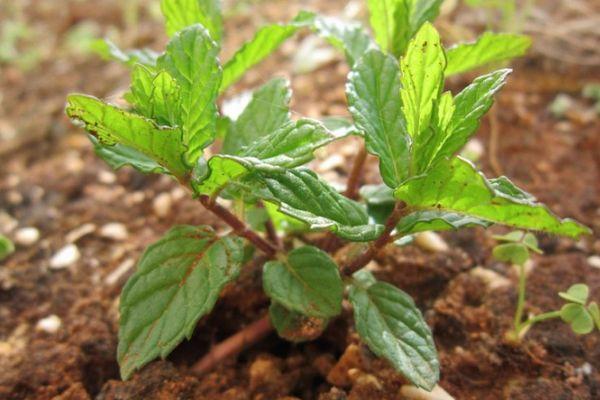
The latest method for propagating a plant is by division. Planting is possible even a few days before the onset of frost.
How to choose high-quality planting material
Planting material serves as the foundation for the future harvest. Therefore, special attention is paid to the selection of seeds and cuttings.
Selecting seeds for planting
It's best to buy mint seeds for planting in specialty stores. Even if you manage to collect the seeds yourself, you're unlikely to grow a quality plant from them. The mint will have characteristics far removed from the original.
How to choose mint seedlings
Seedlings are easier to grow from cuttings taken from a mature plant rather than from seeds. A lateral branch extending from the central stem is cut 1.5 centimeters away. The cutting is placed in a glass of water. Once it has developed roots, it can be planted in soil.
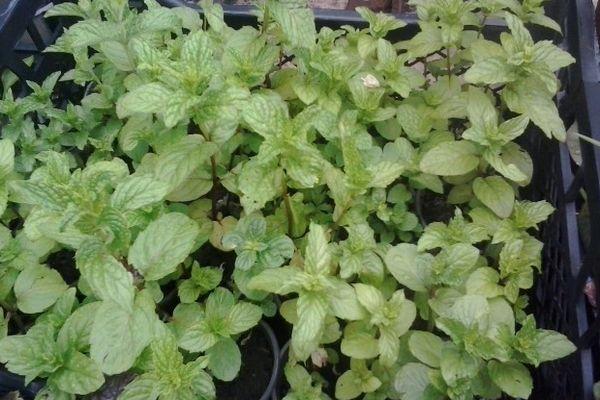
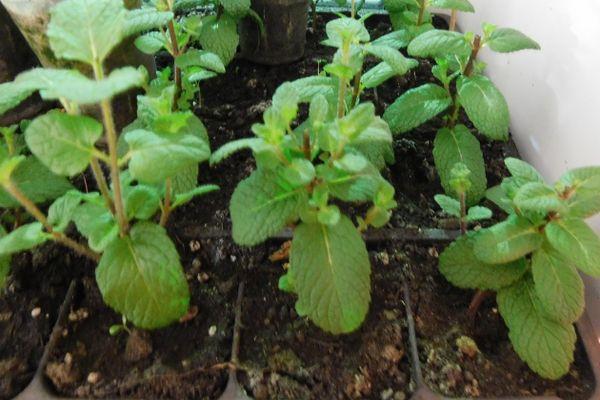
Only healthy plants with straight leaves and a strong stem are suitable as seedlings. You should not select bushes for planting that have wilted, wrinkled leaves or those damaged by pests.
Selecting a site
Choose a site that receives good sunlight, but not direct sunlight. Therefore, it's best to keep the site in the shade during midday.
The soil on the site should be fertile, loose, and well-aerated. If the soil is highly acidic, lime or wood ash should be added beforehand. Loamy, sandy loam, or black soil in a pond's floodplain is considered ideal.
Planting in open ground
There are several ways to plant mint:
- Seeds are sown in early spring. Dig furrows 5 millimeters deep into the soil. The seedlings are lightly pressed into the soil and covered with a thin layer of soil with humus. After this, it is recommended to cover the planting area with plastic wrap. The planted seeds are periodically aired and watered. If these instructions are followed, the first shoots should appear within 2.5 weeks. A comfortable temperature of 23 degrees Celsius is recommended.
- Root or stem cuttings are used for propagation. Propagation is done by stem cuttings. An 8-centimeter-long shoot is cut from the plant. The cutting can be placed in water until roots appear or planted in sand. Sprouted cuttings with 9-centimeter-long roots are planted 5 centimeters deep in soil, spaced 15 centimeters apart. Propagation is by root cuttings. Each cutting should have at least one bud and 4-5 leaves. The separated cutting is immediately planted in a prepared hole and covered with soil.
- Planting is also done by dividing the bush. The mature plant is dug up along with its roots and divided into sections. It's important that each section has a bud and shoots with established roots.
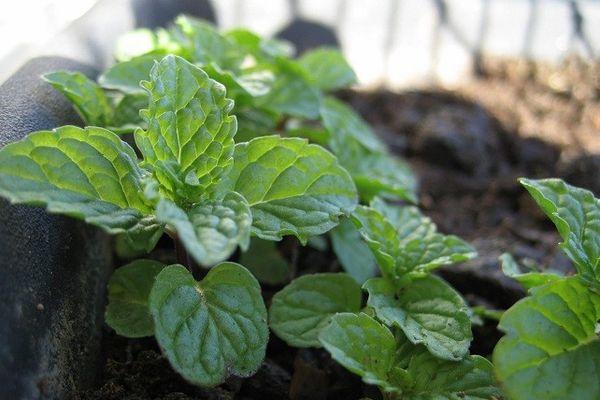
You can also transplant home-grown seedlings to a permanent location:
- Initially, the seeds are germinated by wrapping them in a damp cloth and keeping them in a warm place for several days.
- As soon as the first sprouts appear, the seeds are planted in containers with soil to a depth of 6 millimeters.
- The containers are covered with film for 6-7 days.
- After the sprouts appear, the strongest of them are transplanted into separate containers and placed in a cool room.
- The strengthened shoots are transplanted to a permanent location.
After planting in open beds, continue caring for the plant. To ensure bushy growth, pinch the tops at a height of 24 centimeters. Regularly removing flowers promotes better growth of green leaves.
General rules for caring for mint
Mint is an easy-to-grow plant and doesn't require any special growing conditions. A standard set of steps is sufficient:
- Mint loves moisture, but you shouldn’t overwater the area.
- The plant is periodically fed with nitrogen, phosphorus and organic components.
- Be sure to weed the spaces between the rows to prevent weeds from growing.
- To protect against frost, it is recommended to mulch the soil with straw or spruce branches.
- In spring, the bushes are cut down to the root.
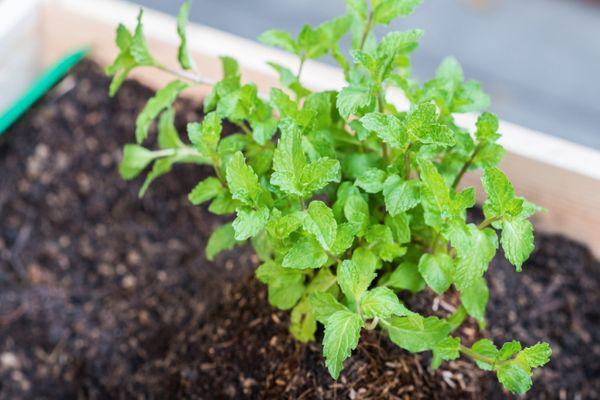
Mint can grow in the same spot for up to 11 years. However, many gardeners recommend changing the plant's location every 3-4 years, as the roots are damaged by weeds and pests. The plant becomes weak and loses its aroma and pleasant flavor.
Diseases and pests of mint
Mint is susceptible to attack by slugs, mint flea beetles, mint weevils, mint leaf beetles, whiteflies, and spider mites. Diseases include powdery mildew, anthracnose, and rust.
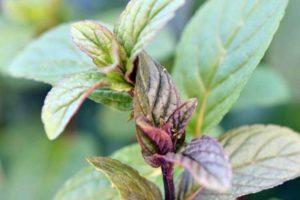
You can tell if a plant is damaged by pests or is diseased by its appearance. The leaves become wilted, turn yellow, dry out, and fall off. You may notice spots and holes on them.
Plants can be treated against pests with ready-made insecticides. They are used once per season and only in cases of severe infestation. It's important to remember to apply the treatment one month before the expected harvest.
Preventative measures include crop rotation, deep soil tillage, and removal of all plant debris from the area. A solution of celandine and soap can also be used as a preventative measure.
The risk of infection can be reduced by timely replanting, harvesting at the end of July before the period of active spread of diseases, and proper application of fertilizers.
Collection and storage
The plant can be harvested for fresh consumption when the bushes reach 25 centimeters in height, approximately 2.5 weeks after the first shoots appear. You can pick just the leaves or the entire stem and side branches.
If you plan to dry the branches, it's best to wait until the flowering period. This is when the essential oils accumulate most.
The harvested herbs are laid out in a single layer on a flat surface and left in the shade until completely dry. Store dried herbs in closed containers in a cool, dark place.
Related posts:
 Description and properties of Moroccan mint, planting and care instructions
 Names and descriptions of mint species, what varieties exist in nature
 Features and uses of spearmint, planting and care rules
 General information about pennyroyal, planting and caring for ombalo or fleabane
 Description and cultivation of spearmint, planting and care rules
 Medicinal properties and contraindications of field mint, description and care
 The medicinal properties of mint for the human body, areas of application and contraindications
 Description and general information about chocolate mint, planting and care