
- Characteristics of Moroccan mint
- External description of mint
- The taste and smell of Moroccan mint
- What are the benefits of mint and are there any contraindications to its use?
- Where is mint used?
- What conditions does the Moroccan variety require?
- Soil
- Planting seeds
- Timing for planting the plant
- Preparation of planting material and site
- Planting mint seedlings
- Moroccan Mint Watering Frequency
- Weeding and loosening
- Prevention and control: diseases and pests of mint
- Plant pests
- Harvesting and storing mint
- Recipes for using this medicinal plant in folk medicine
- Infusion and decoction of mint
- Tea with mint
- Alcohol tincture of a medicinal plant
Moroccan mint is renowned for its wonderful aroma and beneficial properties. It's used to make drinks and decorate desserts. Due to its high content of essential oils and menthol, this perennial has gained popularity in medicine and cooking. The bush is easy to plant and requires minimal care. To successfully plant this creeping plant, please read the information below.
Characteristics of Moroccan mint
Moroccan mint is a perennial aromatic shrub. The herb is drought-resistant and weather-resistant. The bushes look harmonious when planted individually or in groups. In landscape design, the crop is planted along paths, in gardens, and in mixed borders.
External description of mint
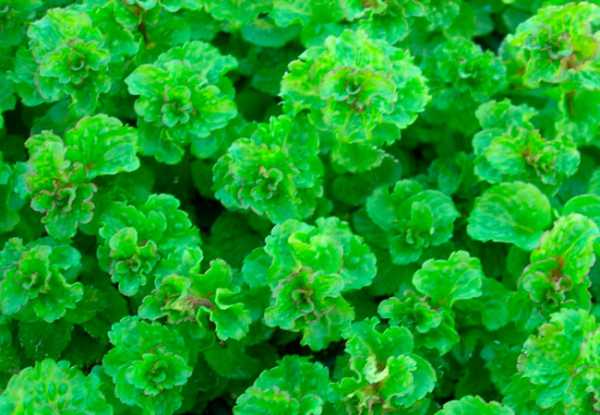
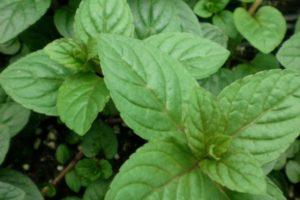
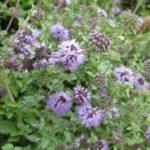
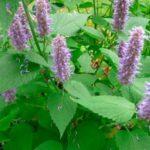
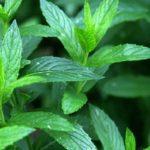
A compact, densely foliated perennial shrub, it grows to 50-60 cm tall. The stems are erect, and the leaves are wrinkled and emerald-colored, with serrated edges and slight pubescence. Mint is renowned for its high frost resistance and is suitable for cultivation in any region.
The taste and smell of Moroccan mint
The leaves of this perennial plant have a spicy flavor, milder than peppermint. The herb is widely used in cooking and is added to mojitos. A garden where Moroccan mint grows creates a unique, invigorating aroma.
What are the benefits of mint and are there any contraindications to its use?
Moroccan mint is highly valued in alternative medicine for its healing properties. The herb contains numerous beneficial elements and menthol essential oils, which help combat and prevent numerous pathologies. The plant has anti-inflammatory, relaxing, and analgesic properties. Using mint normalizes blood pressure, has a beneficial effect on the gastrointestinal tract, and relieves pain, muscle spasms, irritation, insomnia, and depression.
There are a number of restrictions on the use of Moroccan mint. These include the following conditions:
- age up to 6 years;
- pregnancy, lactation;
- low blood pressure;
- liver, kidney pathologies and dysfunctions of the genitourinary tract.
Take a look Also
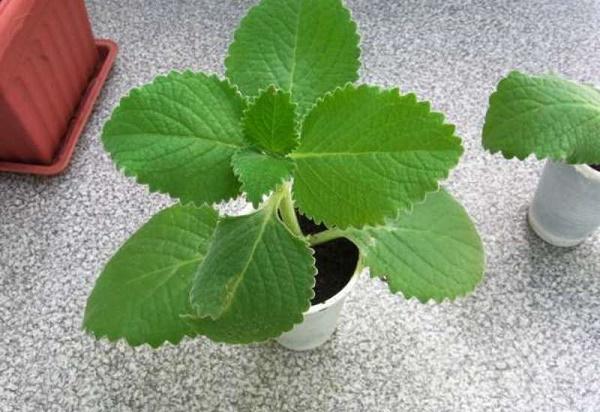
Mint also has a positive effect on women's health. Its use helps alleviate menopausal symptoms and relieve menstrual pain.
Where is mint used?
Moroccan mint leaves are used to make hot teas, cocktails, and cold drinks. The light green, fresh leaves are perfect for making a Mojito. For medicinal purposes, the plant is used to make tinctures and decoctions.
What conditions does the Moroccan variety require?
Moroccan mint is widely grown in gardens in the central and southern regions of the CIS countries. In the north, the plant is cultivated in greenhouses. It is important to select the appropriate location, soil, provide the herb with adequate light, and plant it correctly.
Soil
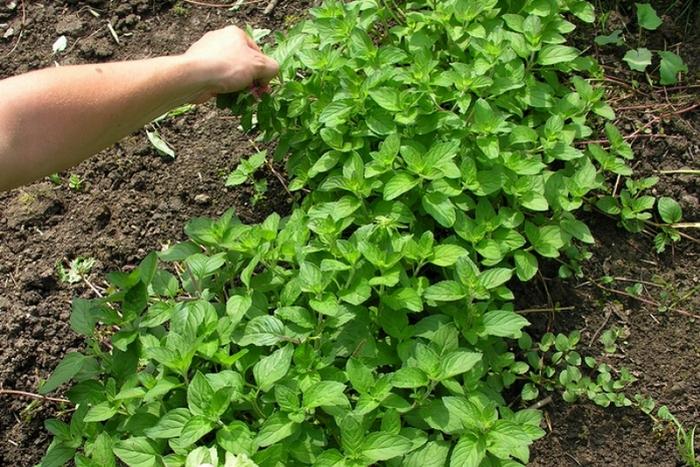
Mint grows best in moist, sandy, permeable soil rich in calcium. Humidity should be moderate, and the location should be sunny or partially shaded. It is grown commercially or for personal consumption. The plant's shoots are frost-resistant to -25°C.
Planting seeds
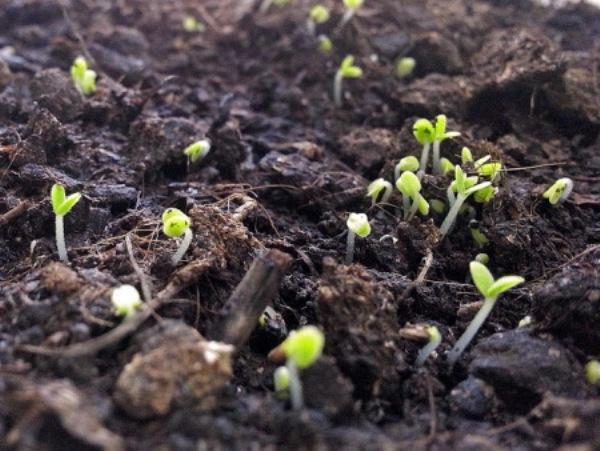
Mint seeds are sown in prepared plastic containers with lids. This creates a miniature greenhouse. You can poke holes in the lid to avoid constantly opening the containers. Sow the seeds in moist soil, pre-dug into furrows 5 mm deep. Carefully place the selected seeds into these furrows.
Since they are small, use a spray bottle to avoid washing them. Sprinkle soil on top. Place the containers with the sown seeds on a bright windowsill in a warm room. After the sprouts sprout, they can be planted outdoors.
Timing for planting the plant
Mint should be planted in a greenhouse or indoors at the end of February. The cuttings are transplanted into the garden in late April or early May. The soil should be warmed to 10-15 degrees Celsius.
Preparation of planting material and site
A week before planting, loosen the soil and remove weeds. Add 0.5 buckets of wood ash, compost, and humus to the plot and mix. Before planting, water the soil with a potassium permanganate solution. This will prevent diseases and attacks by harmful beetles. Since this variety is creeping and can overtake entire plantings, dig in barriers around the plot.
They use metal or slate, which prevents the rhizome from spreading throughout the entire area.
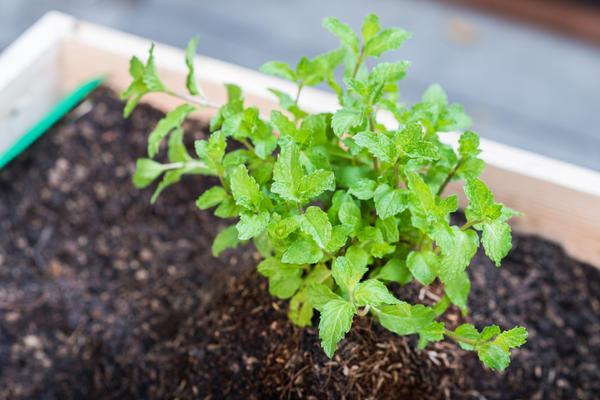
Mint seedlings are dipped in a root growth stimulating solution such as Prestige or Epin for half an hour. The root system is carefully spread out. The seedlings should show no signs of damage or beetle attacks.
Planting mint seedlings
The best predecessors for Moroccan mint include legumes and perennials. Before planting mint cuttings, divide the rhizome into 2-3 parts. Each part should have root suckers with dormant buds. Plant the seedlings in shallow holes 5 cm deep.
The distance between the sprouts should be 15 cm. After planting the rhizomes, water thoroughly and cover with soil. New leaves will appear within 10-20 days.
Then you can feed the seedlings with a urea solution – 1 g of nutrient solution per 1 liter of water. Adding minerals containing phosphorus and nitrogen is also beneficial.

Moroccan Mint Watering Frequency
Mint should be watered three times a week in summer, and once a week in spring and fall. Water should be applied at the roots. To prevent moisture from evaporating too quickly, the area around the plant should be mulched with peat, sawdust, or hay.

Weeding and loosening
Mint should be periodically loosened to improve aeration. This prevents the formation of a soil crust, which adversely affects the plant's root system. Moroccan mint may stop growing and wilt. Weeding removes weeds that inhibit growth.
Prevention and control: diseases and pests of mint
Mint is sometimes affected by powdery mildew and rust. Causes include dense plantings. When transplanting seedlings, it's important to maintain a safe distance. Symptoms include rust-colored spots on the leaves. Affected parts should be removed or burned. The crown should not be sprayed with fungicides; these leaves are unsuitable for use.
Plant pests
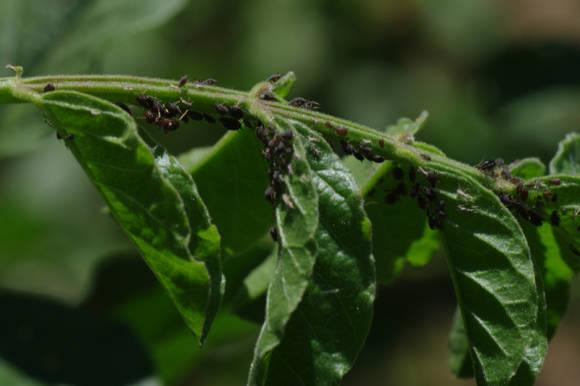
Moroccan mint can be attacked by weevils, aphids, whiteflies, and slugs. You can pick off the beetles by hand, but it's better to spray the plants with insecticides. Then, wait the time specified in the product instructions before harvesting the leaves.
Harvesting and storing mint
During the first year of vigorous mint growth, fresh leaves are harvested for drying. This is done before the aromatic perennial begins to flower, as this is when beneficial components and natural essential oils accumulate.
To preserve the maximum flavor, the collected material is dried in the shade.
The leaves can be ground into powder, or the twigs can be dried. Fresh specimens can be stored in a damp cheesecloth in the refrigerator.
Recipes for using this medicinal plant in folk medicine
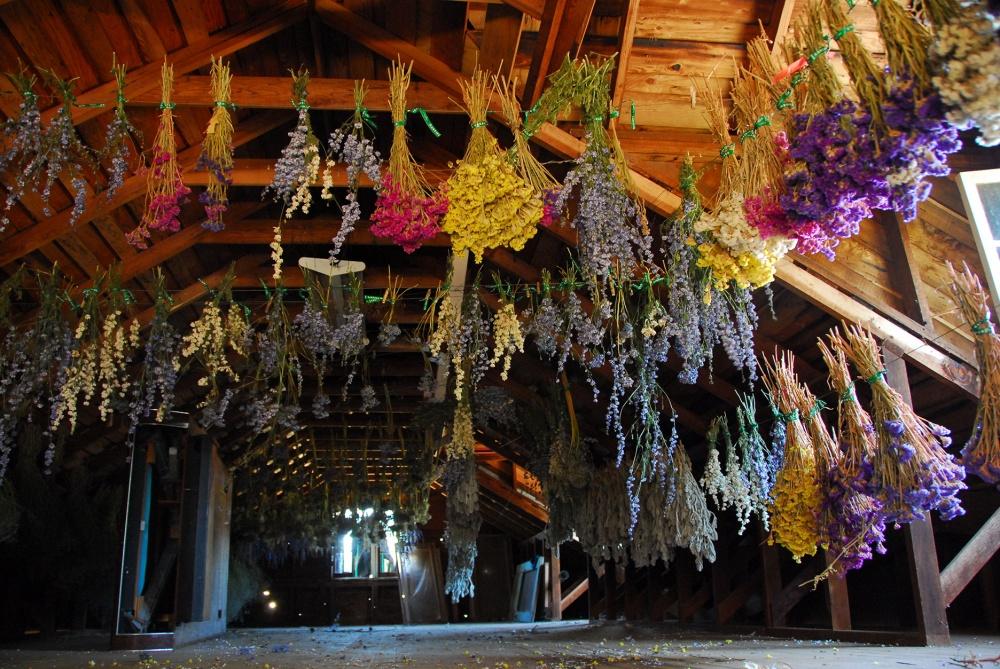
There are many ways to prepare Moroccan mint for medicinal purposes. Tinctures, decoctions, spirits, and teas are made from the plant. Hanging bunches of the plant around the room can freshen the air. Essential oils calm the nervous system and improve sleep. Hanging mint stems in the bedroom can help you fall into the arms of Morpheus faster.
Take a look Also
Infusion and decoction of mint
Mint tincture and decoction are prepared using different technologies.
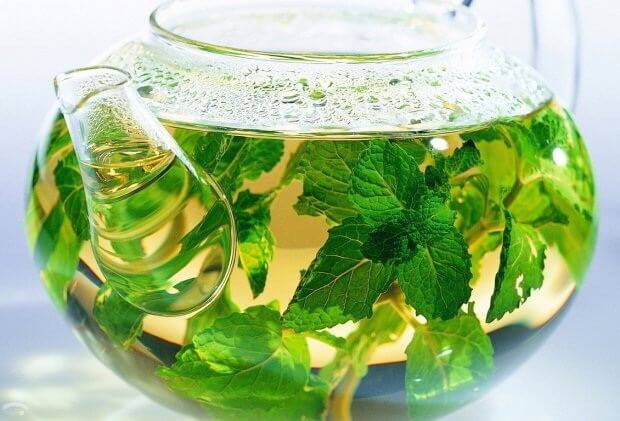
- To make an infusion, take 2 tablespoons of mint leaves or fresh mint and pour a cup of boiling water over them. Wrap the container and let it steep until it cools completely. Then strain.
- To make a decoction, take 2 tablespoons of fresh or dried herbs and add a glass of cold water. Heat the decoction, covered, in a double boiler until bubbles appear. Strain the mixture and let it cool.
 The products should be stored in the refrigerator for no more than 24 hours. Longer storage will cause the plant's beneficial properties to be lost. The decoction is used to treat respiratory ailments through gargling, oral administration, and inhalation. Moroccan mint decoction is used in the same way for digestive problems, vascular diseases, and heart disease. A tincture of this medicinal plant is useful for relieving the symptoms of arthritis. Pour a glass of the infusion into a warm bath, and soak for half an hour.
Tea with mint
To make green or black tea, steep mint in 80-degree water. You can combine the tea with thyme, rose hips, or chamomile. This drink quenches thirst and has a calming effect.
In hot weather, drink the tea chilled, adding ice cubes. In cold weather, the drink warms and energizes.
It should be drunk after mental or physical exertion.
Alcohol tincture of a medicinal plant
To prepare an alcohol-based mint infusion, take 100 grams of crushed fresh leaves and add 0.5 liters of vodka. Store in a dark place for three weeks. Shake the mixture weekly and strain. Store the finished infusion in the refrigerator.
This remedy relieves headaches and promotes relaxation. It can be rubbed into the skin after bruises. For toothaches, you can rinse your mouth with a teaspoon of the tincture diluted in a glass of warm water. Intestinal spasms can be relieved by drinking a glass of water with 15 drops of the infusion before meals.
Related posts:
 Names and descriptions of mint species, what varieties exist in nature
 Features and uses of spearmint, planting and care rules
 General information about pennyroyal, planting and caring for ombalo or fleabane
 Description and cultivation of spearmint, planting and care rules
 Medicinal properties and contraindications of field mint, description and care
 The medicinal properties of mint for the human body, areas of application and contraindications
 Description and general information about chocolate mint, planting and care
 Description of English mint and plant characteristics, planting and care rules, diseases