
Most mint species are not used by humans. There are approximately 300 known varieties, but only 25-30 are widely used. Mint species differ in their characteristics and features. A detailed study of the descriptions will help you choose the right one.
About the plant
The plant is widely used in cooking, cosmetology, medicine, and other industries. Most varieties contain high amounts of menthol and have a strong aroma. The plants are perennial and prefer cultivated soil. They are easy to care for, requiring little fertilizing or frequent watering. They reproduce by roots, leaves, and seeds.
When growing mint in your garden, avoid planting it in the ground. It's best to confine it to a container so the roots don't spread beyond the designated area. All parts of the plant—flowers, leaves, stems, and roots—are used. The leaves are collected after the plant has finished flowering. They are dried and stored in glass containers. The spice is grown on an industrial scale and is used in many industries.
Beneficial properties
The plant is grown not for its beautiful appearance or aroma, but for the benefits it brings to people.
Benefit:
- helps to get rid of inflammation of the respiratory tract;
- is an antispasmodic and antiseptic;
- helps in treating colds;
- lowers blood pressure;
- strengthens vision;
- has an analgesic effect;
- calms, reducing the level of anxiety and panic;
- helps you fall asleep;
- helps with angina;
- relieves pain in the stomach and intestines;
- has a choleretic effect;
- treats constipation and flatulence;
- relieves headaches;
- improves appetite and much more.
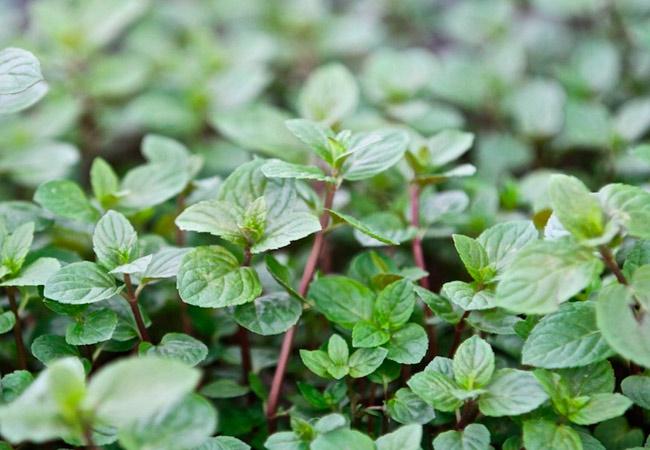
The benefits of this plant are much discussed. In its pure form, mint is beneficial. It is also used as a flavoring additive to bitters and medicines.
It is not advisable to use:
- children under 3 years old;
- patients with hypotension;
- people with individual intolerance;
- mothers during lactation.
The use of mint causes infertility and varicose veins, so you should consult a doctor before use.
Where it grows
Plants are found in a variety of locations. Furthermore, each species grows in a specific region. Mint can be found near water: rivers, lakes, swamps, and ravines. It is also found in forest-steppes and steppes, practically throughout Russia.
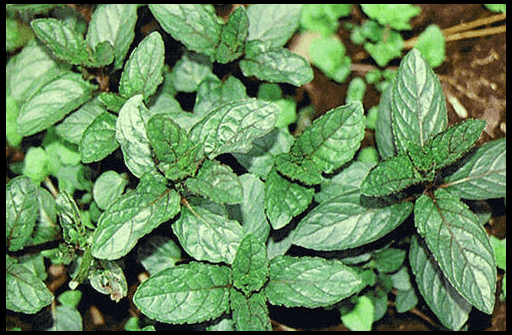
It also grows well in garden plots. With proper placement and easy care, gardeners can enjoy their own supply of this savory, healthy herb.
Varieties of mint
The diversity of species is astounding. Every variety is beneficial. But they differ in appearance and some properties. There are the most common varieties familiar to gardeners.
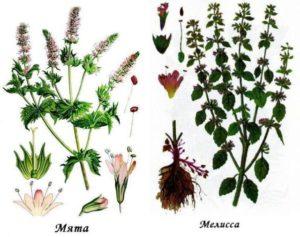
Catnip
The plant is also known as catnip. Its lemony scent attracts cats. Beekeepers find this variety attractive because it produces a rich honey plant.
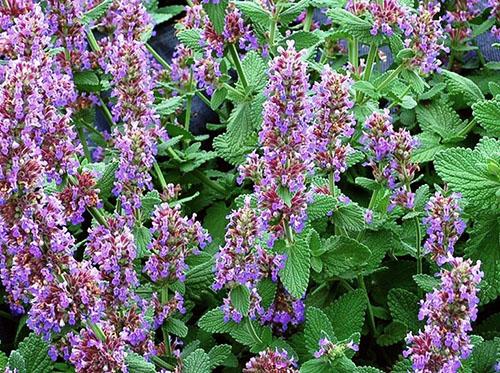
In nature, it grows on roadsides, in forests, wastelands and other places:
- belongs to the perennial representatives of medicinal herbs;
- used in many industries;
- flowers are purple;
- flowering time June–July;
- height 0.5-1 m.
It's easy to care for and doesn't require frequent watering or fertilizing. It's used for decorative purposes in the garden.
Lemon balm
This herb is used more often than other varieties. It is used in all areas, including cooking, medicine, and perfumery.
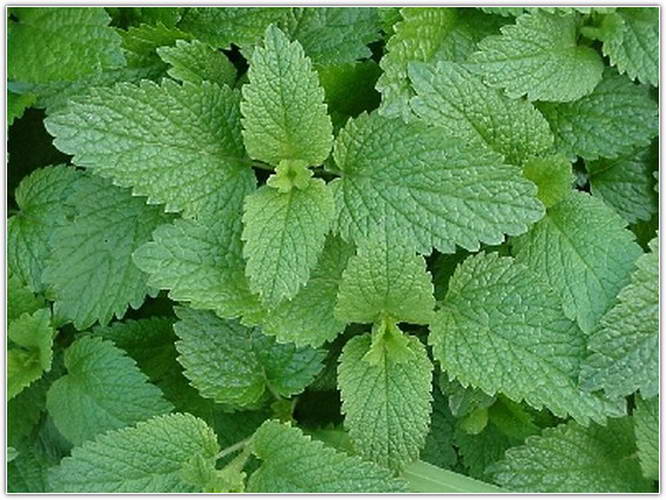
Another name for the herb:
- Melissa;
- honey mint;
- honey slipper;
- honey.
It's considered the most beneficial of all mint varieties. It's important for honey production, as it's a honey plant:
- perennial;
- blooms in summer;
- height 0.3-1.2 m;
- flowers are light lilac or pale violet;
- frost-resistant.
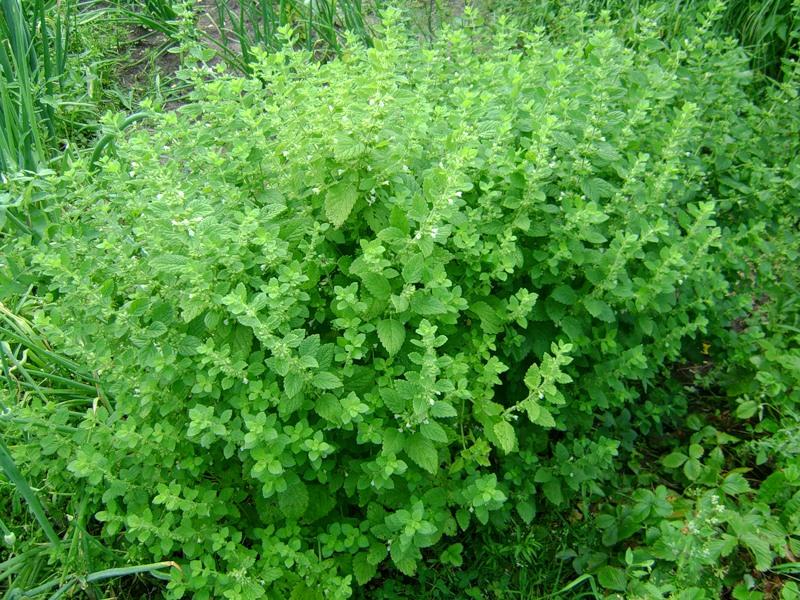
Gardeners who grow lemon balm note the plant's undemanding nature. It has no soil preferences and thrives in any type of soil. Fertilizing is unnecessary, and it's pest-free. It produces its own fruit, which can be sown to create additional bushes.
Pennyroyal
It has a wide range of uses. It is common in the North Caucasus and in European countries. The plant is short, reaching 0.6 m in height. The flowers are pink with a lilac tint, with a white tube at the base. It begins blooming in July and continues throughout the month. It is used in pharmacology, folk medicine, and cooking.
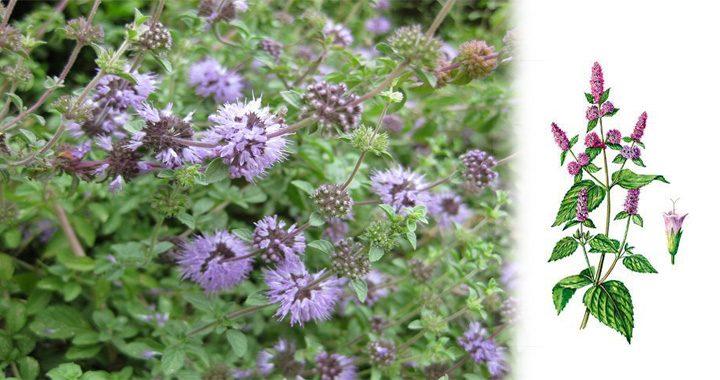 Pregnant women should use mint with caution, as it has abortive properties.It's easy to grow and requires little care. It's used for landscaping and grown in separate flowerbeds.
Moroccan mint
The plant height is 40-60 cm. This variety is highly frost-resistant, making it suitable for growing in any region. Its leaves have a milder flavor than peppermint. For this reason, this variety is added to the popular mojito drink. It can be planted singly or in groups, and helps create beautiful garden compositions.
The beneficial properties of this mint are varied; it is used in the treatment of high blood pressure, digestive problems and other ailments.
Planting is fairly straightforward; gardeners sow roots or seeds. Care is standard. The following agricultural practices are followed: watering and loosening the soil. The plants require no other attention.
Chocolate mint
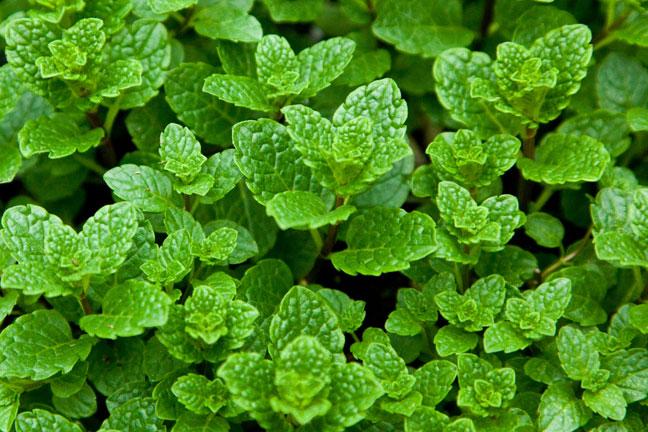
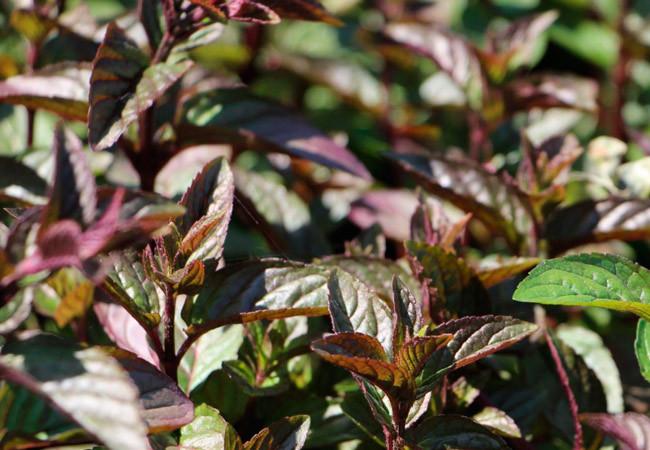
It differs from other varieties in that it has a subtle chocolate aroma. Its flavor is milder than that of all known varieties. It is used as an additive to drinks and confectionery. The plant is short, reaching just over 0.5 m. The leaves are purple, and the flowers are also purple. The essential oils for which mint is prized are found in all parts of the plant.
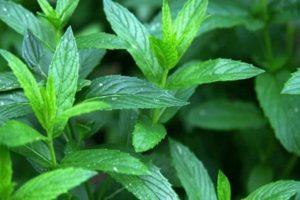
The leaves are harvested during flowering, as this is when the oil concentration is highest. The bushes are used to create decorative gardens and flower beds. It requires no special care; all techniques are standard. The variety is propagated by green cuttings, shoots containing part of the parent plant's root system, and seeds.
Garden mint
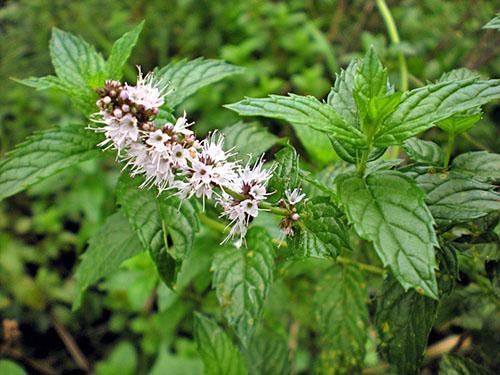
The downside of this variety is that it doesn't have a strong scent. However, this hasn't stopped it from spreading across Russia. This species is often found in the wild. Its favorite habitats are shaded areas near bodies of water or clearings in forests.
The plant is perennial, but the stems are annual. They have a tetrahedral shape, no more than 1 m long. The plant is 45 cm tall, but the bush, thanks to its vigorous stems, grows up to 1 m in width. This variety blooms almost all summer, starting in June. The flower color is lilac.
Ombalo: flea mint
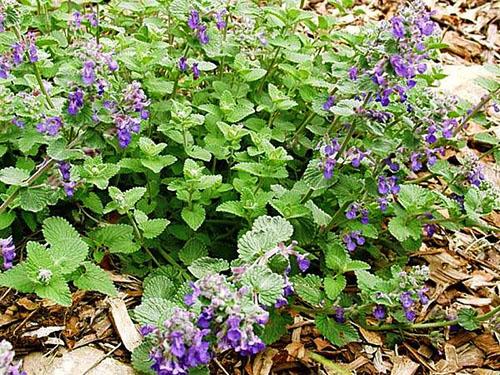
This mint variety is so named because its high concentration of essential oils repels gnats, fleas, and other insects. The stems are creeping, 75-80 cm long, and the plant is 30 cm tall. The flowers are lilac or light purple. The aroma is delicate, unobtrusive, and pleasant. This spice blooms for a very long time, beginning in July. The plant finishes blooming after the first frost.
Consuming ombalo in large quantities can cause liver disease or death.This species is classified as a honey plant. It is widely used in the cuisine of various countries, adding a piquant flavor to dishes. The plant thrives in warmth; if it is not kept warm, the shoots grow weak, the aroma is less intense, and the flavor is less rich. The plant requires little special care. If there is sufficient rainfall, watering is not necessary. The soil around the plant should be loosened periodically.
Horsemint
A common plant variety, distinguished from others by its white flowers. Some gardeners know it firsthand. Mint has several names:
- wall horehound;
- marsh grass;
- shanta;
- White horehound.
This perennial plant reaches a height of 0.6 m. The stem is heavily pubescent. Flowers are borne in the leaf axils. Blooming lasts for a long time, from July to September. The plant is widely distributed, found in Central Asia, throughout Europe, Africa, and China.
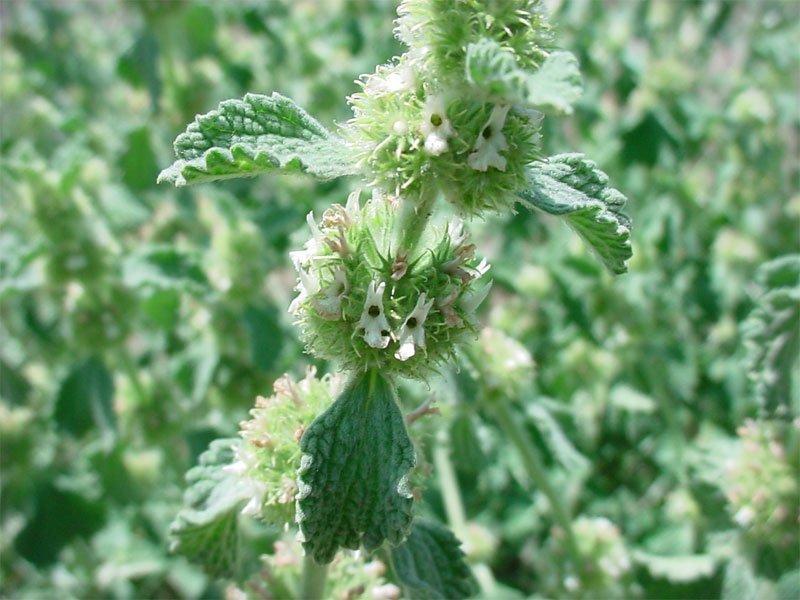
Harvesting occurs during flowering; the softer the stems, the better the harvest. Gardeners often grow this variety; the undemanding and easy-to-grow plant thrives in their gardens.
Peppermint
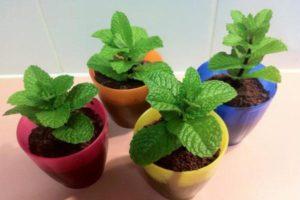
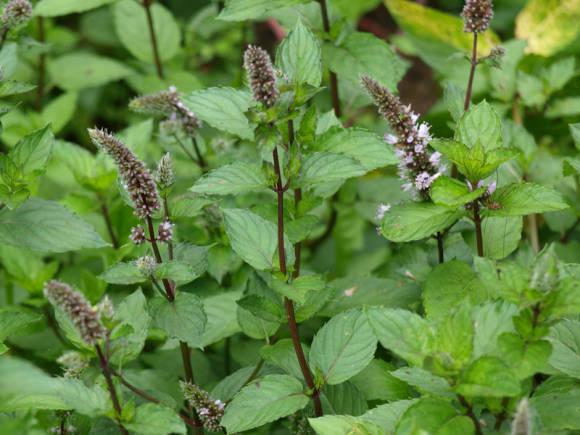
The most common type of mint. It is used in all fields, especially in medicine and cooking. Gardeners prefer to grow this variety because of its many beneficial properties, persistent aroma, and excellent taste. Eating mint can help replenish vitamin and mineral deficiencies, but consult a doctor before use.
Oil is extracted from this plant variety, and the entire above-ground part is used.
Peppermint has been grown for a long time. A bed must be prepared for planting. The soil should be fertile and loose. The plant thrives in both shade and sun. However, those growing in full sun require more frequent watering.
Curly mint
This variety is similar to peppermint in its composition and properties. It contains a large number of macro- and microelements and vitamins.
There are several other names for this species:
- curly;
- spike-shaped;
- German;
- garden;
- spring;
- mint.
It reaches 1 m in height. It has numerous stems, and the leaves on them are wrinkled or curly. This is where the species name comes from. The flowers are pink with a lilac tint. Blooming continues for several months.
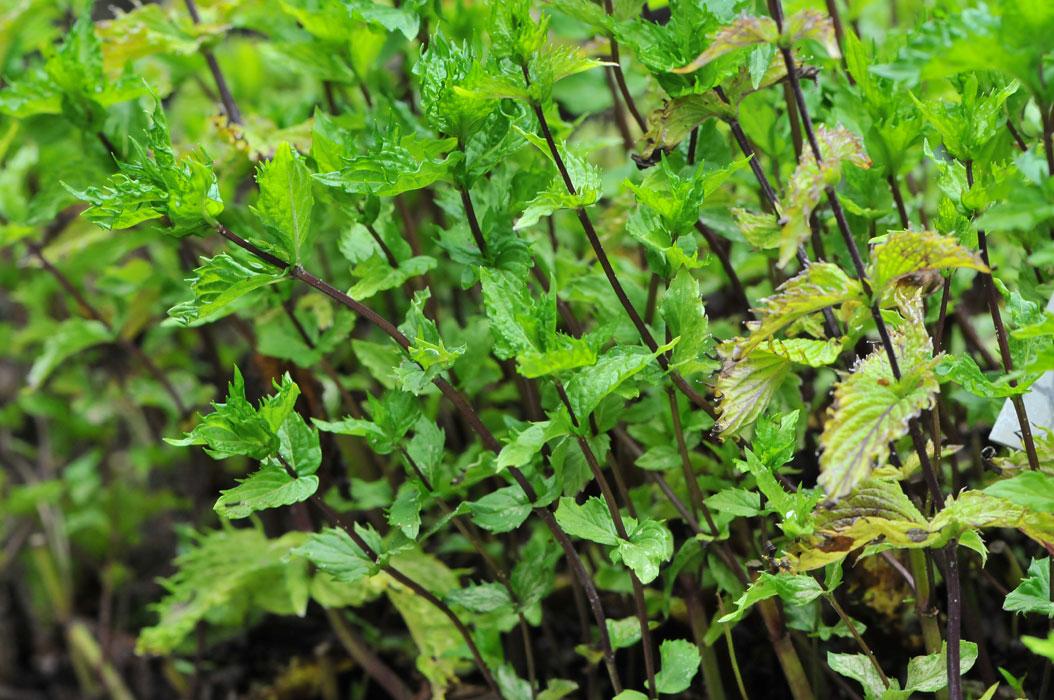
The plant's flavor profile combines notes from several species. However, curly mint has a distinct flavor, without the menthol kick. Seeds for planting are collected in October. It is propagated by root division and seed. Caring for mint is easy, and there are no special care requirements.
Long-leaved
At first glance, the bush appears silvery. This is because the stems and leaves are densely pubescent. It blooms from July to August, with a lilac hue. It is most often found near bodies of water. Its height depends on growing conditions and ranges from 30 to 100 cm. It is also used in all areas: medicine, cosmetology, and everyday life.
Cultivation of this mint has long been practiced in gardens. It is often cultivated on an industrial scale. Few people know the diversity of mint species, but only a few are widely cultivated.
Related posts:
 Description and properties of Moroccan mint, planting and care instructions
 General information about pennyroyal, planting and caring for ombalo or fleabane
 Features and uses of spearmint, planting and care rules
 Description and cultivation of spearmint, planting and care rules
 Medicinal properties and contraindications of field mint, description and care
 The medicinal properties of mint for the human body, areas of application and contraindications
 Description and general information about chocolate mint, planting and care
 How to properly plant mint seeds outdoors at your dacha