
- Characteristics of the spearmint species
- External description of the bush
- Taste and smell
- Beneficial properties of the curly plant
- Contraindications and restrictions
- Where is the herb used?
- In cooking
- For medicinal purposes
- Necessary conditions for growth
- Illumination
- Suitable soil composition
- Temperature conditions
- Landing
- Deadlines
- Preparation of planting material and site
- How to plant mint
- Sowing seeds
- Transplanting
- Caring for the crop
- Regularity of watering
- Weeding and loosening
- Diseases and pests: prevention and control
- Reproduction methods
- Seeds
- Rhizome
- Cuttings
- Harvesting and storage
There are about 300 species of mint in nature. It contains a large number of beneficial substances, due to which it is used in various fields: medicine, food industry, cosmetology. One of its varieties - spearmint, named for its curly leaves. Below is information on growing conditions, planting, and care.
Characteristics of the spearmint species
Curly mint is native to North America. It resembles other varieties of this crop, but there are still significant differences.
External description of the bush
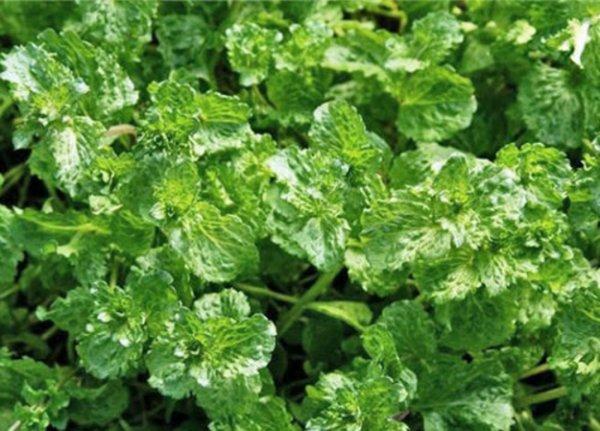
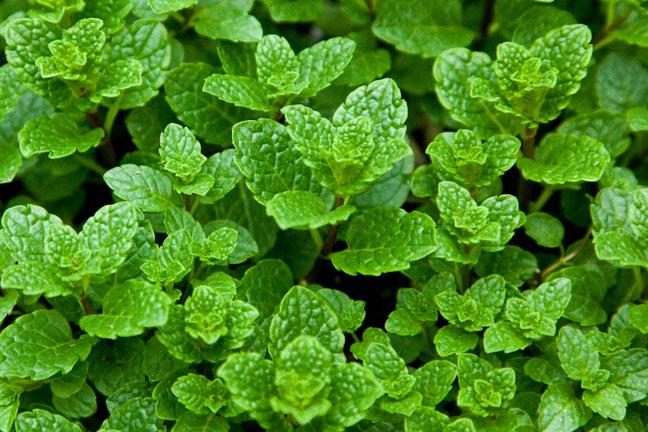
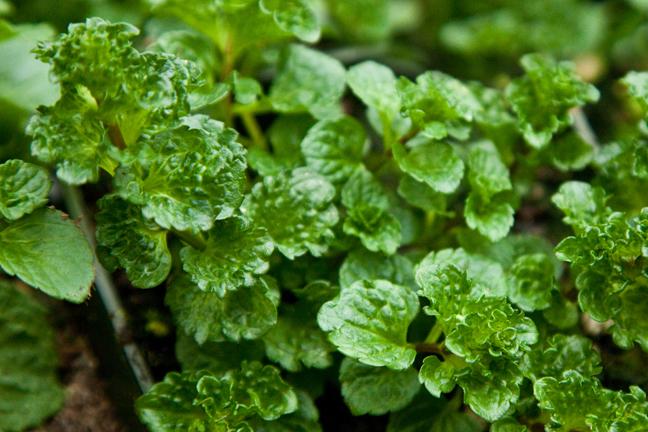
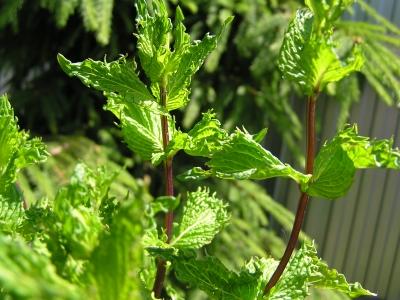
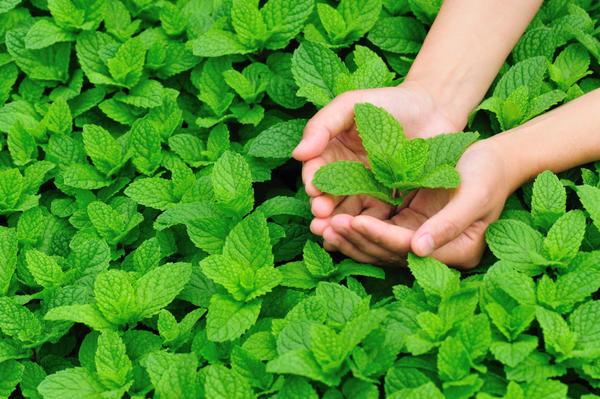
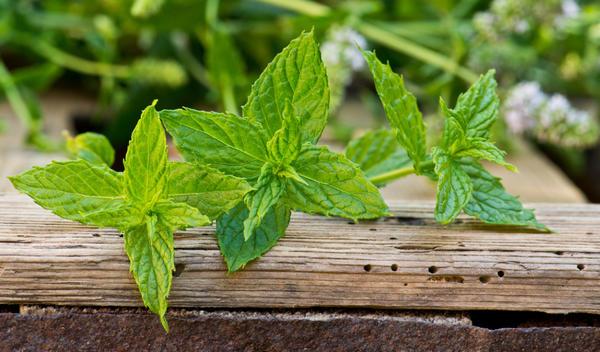
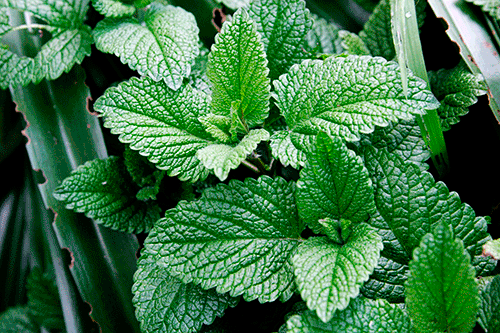
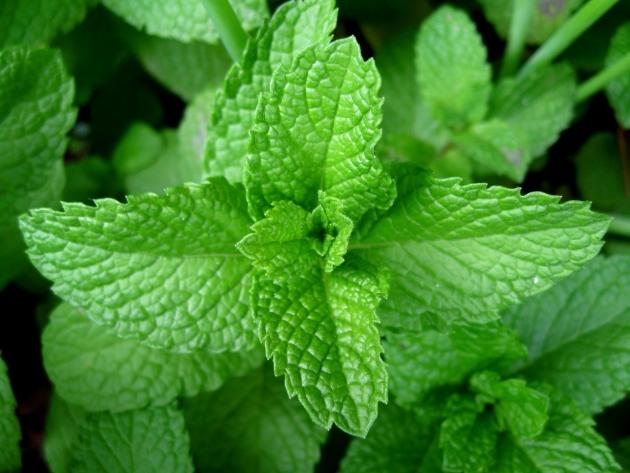
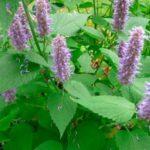
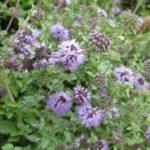
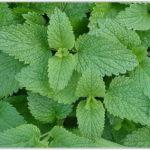
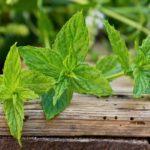
The height of the spreading bush varies from 30 centimeters to 1 meter. The leaves are dark green. They are broadly ovate, bumpy, and wrinkled, resembling curls. The mint blooms in July, with pinkish-purple hues.
Taste and smell
Spearmint has a pleasant menthol aroma. It's distinct but not overpowering. The aroma is especially intensified when cooked. Its flavor is minty, distinctive, yet delicate and pleasant, without a cooling aftertaste.
Beneficial properties of the curly plant
Spearmint has the following beneficial properties::
- is a mild diuretic, removing excess fluid from the body;
- relaxes, relieves fatigue;
- improves the functioning of the gastrointestinal tract;
- has a choleretic property;
- relieves vascular spasms.
Contraindications and restrictions
Pregnant women should avoid mint because it has a stimulating effect, which can trigger premature labor. Men should also avoid drinking mint in large quantities because it can reduce potency. Furthermore, people with allergies should use mint with caution.
Where is the herb used?
Curly mint is used to prepare hot and cold drinks and is added to various dishes. The plant is widely used in folk medicine and cosmetology. Furthermore, the plant serves as a natural fumigator. For example, hanging mint stems in a gazebo will keep mosquitoes out.
In cooking
The culture is used in cooking as follows:
- as a seasoning for mushrooms, stewed meat, fish;
- in dried form it is used for baking;
- for preparing hot and cold drinks;
- added when pickling cucumbers and apples;
- Vinegar is flavored with mint;
- The leaves of the plant are added to sour cream sauces.
In addition, mint is added to flavor alcoholic beverages, kvass, and okroshka dressing.
For medicinal purposes
Mint is used in both traditional and medical practices. Its extract is found in many medications, including drops for treating upper respiratory tract inflammation and tablets for angina. Mint extract is also used to remove urinary and gallstones and as a disinfectant.
The plant is widely used in folk medicine. It is used to make decoctions and inhale for colds. A mint compress can combat nail fungus, and a tincture can be used to relieve migraines. The oil is used externally to treat wounds.
Necessary conditions for growth
To grow fragrant, tall-growing mint, it needs the right conditions. This requires planting it in suitable soil and choosing the right location in the garden.
Illumination
Curly mint thrives in a brightly lit area, but shaded at midday. Long daylight hours are essential for the plant's development. Bushes can also be planted under trees, but only those with delicate crowns. In full shade, mint stems will be weak, and the leaves will be thin and light-colored.
Suitable soil composition
The soil for the plant should be loose, permeable, and fertile. It is preferable that it be fertilized from the previous crop. The substrate is prepared from the following components:
- garden soil;
- humus;
- peat;
- river sand.
If groundwater is close to the surface of the earth, you need to make raised beds and be sure to place drainage in the planting holes.
Temperature conditions
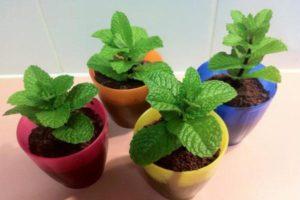
The optimal temperature for spearmint to thrive is 20-25°C. If it's grown indoors and the lighting is low, the temperature should be reduced to 15-17°C. However, it's best to provide artificial lighting for the plants.
Landing
To ensure that a gardener can make a variety of refreshing drinks during the summer, and also be able to dry enough mint for hot drinks in the winter, the crop must be planted correctly.
Deadlines
Mint is sown in the spring, when the weather becomes consistently warm. This procedure can also be done in late August. If the mint was grown or purchased as seedlings, it can be planted in May.
Please note! After collecting the seeds in October, you can sow them directly into seedling trays or store them in the refrigerator and sow them directly into the ground in the spring.
Preparation of planting material and site
The area designated for mint planting is cleared of weeds, dug over, and loosened. During digging, you can add fertilizer consisting of the following components:
- 3 kilograms of humus;
- 2 tablespoons of wood ash;
- 15 grams of superphosphate, potassium chloride, and ammonium nitrate.
The dosage is indicated for applying fertilizer per 1 meter of soil.
How to plant mint
Mint can be sown or planted in the area as ready-made seedlings.
Sowing seeds
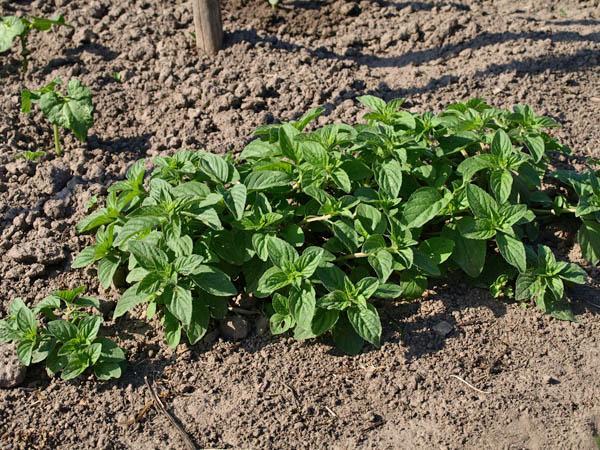
Shallow furrows, no more than 1-2 centimeters deep, are made in the prepared soil. The seeds are sown in these furrows. The distance between rows is 40-45 centimeters. Once the seeds have sprouted, they should be thinned out, leaving a distance of 35-40 centimeters between them.
Transplanting
To plant mint seedlings, dig holes 35-40 centimeters apart. Water them thoroughly, then plant the bushes. Lightly compact the planting site and mulch with peat to retain soil moisture.
Caring for the crop
Mint doesn't require much care. It needs to be watered, the soil loosened afterward, and shoots picked promptly to encourage further tillering.
Regularity of watering
Curly mint thrives on moisture. It needs to be watered especially frequently in the first few days after planting. This should be done in the evening. Subsequently, water the bushes so that the soil beneath them is moist, but not wet.
Weeding and loosening
After each watering, the soil should be loosened. This will prevent a crust from forming, which can impede root respiration.
To ensure that plants can develop freely, especially when young, the plantings need to be weeded.
Diseases and pests: prevention and control
Curly mint can be susceptible to fungal diseases caused by heavy rainfall and low temperatures. They can also be triggered by poor crop rotation and excess nitrogen in the soil. To prevent this, spray the bushes with a 1% Bordeaux mixture solution in the spring. Treating the plants with a 1% colloidal sulfur solution will protect against powdery mildew.
Curly mint can be attacked by pests such as spittlebugs, mint flea beetles, aphids, and wireworms. To prevent these pests, rotate the planting site every two years, dig it over, and remove plant debris. You can also spray the plants with a celandine solution prepared as follows:
- 200 grams of grass is poured with 10 liters of water;
- infused for 24 hours;
- grated soap is added to the infusion.
The solution is filtered and then the bushes are sprayed with it.
Reproduction methods
Curly mint can be propagated in a garden in several ways: by seeds, rhizomes, and cuttings.
Seeds
Sowing of seeds is carried out in March as follows:
- nutritious, loose soil is poured into the box;
- the seeds are spread over the surface and then lightly pressed in with a match;
- crops are sprayed with water from a spray bottle;
- The box is covered with film or glass.
The cover should be removed daily to allow the seedlings to air out. When two true leaves appear, the young plants are transplanted into individual pots. Before planting outdoors, the bushes are brought outside to harden off.
Tip! Since mint can quickly take over the surrounding area, the planting area should be fenced off with slate around the perimeter.
Rhizome
A mature bush that's reached 3 years of age can be divided by rhizome. To do this, follow these steps:
- the bush is dug up and carefully divided into several parts;
- planting holes are made about 10 centimeters deep, into which the divisions are planted, each of which has a part of the root, several shoots and growth buds;
- The bushes are watered and mulched with peat.
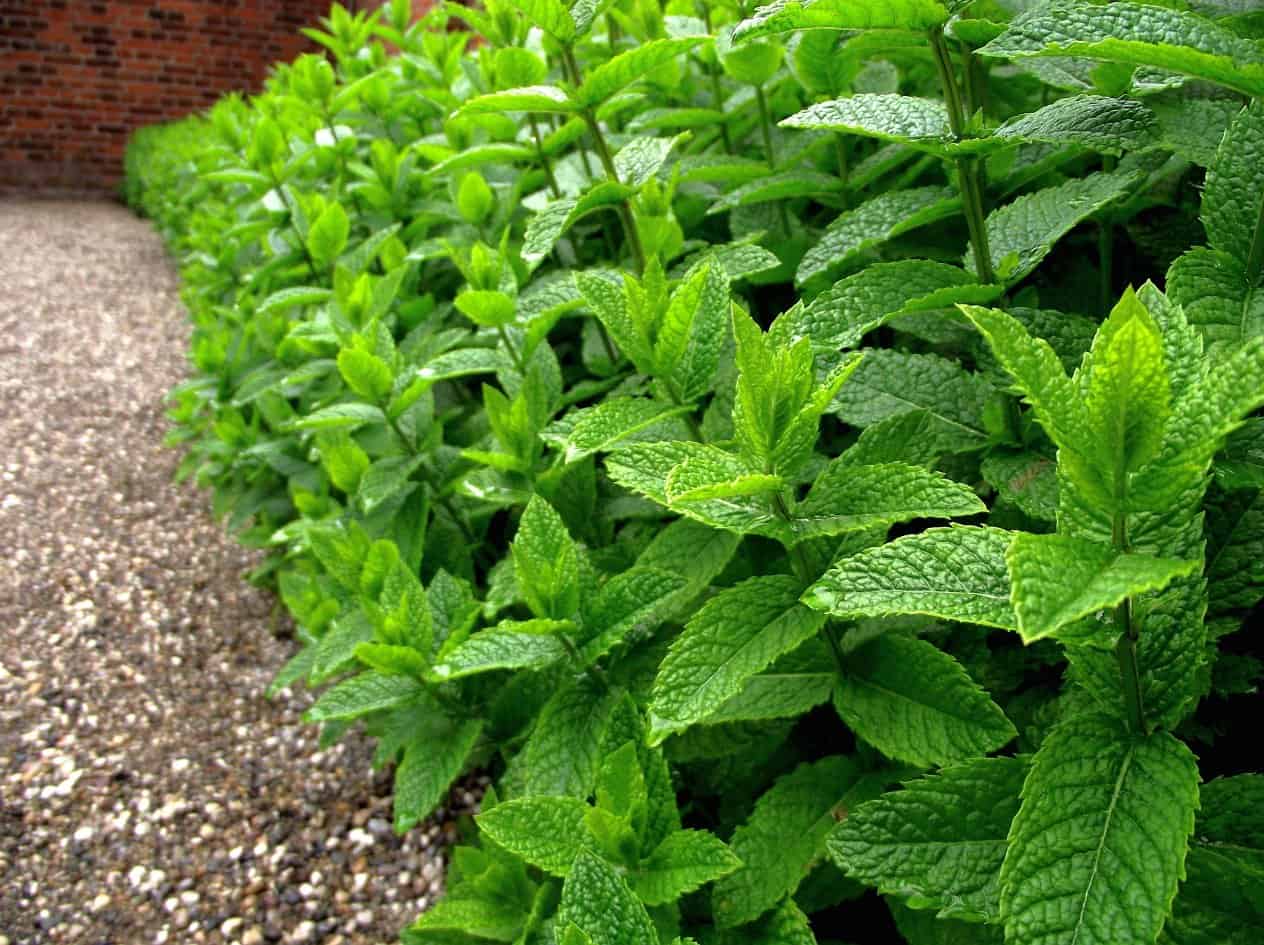
The distance between plants is maintained within 30-40 centimeters.
Cuttings
This method of propagation uses apical cuttings. The propagation procedure is as follows:
- shoots 7-8 centimeters long are cut;
- placed in water for rooting;
- When the roots reach 1 centimeter, the cuttings are planted in the ground.
You can also germinate the cuttings in damp sand. The appearance of new leaves will indicate that the cutting is ready for planting.
Harvesting and storage
Mint is ready for harvesting in summer—when it's actively growing but not yet flowering. You can harvest either the leaves alone or the stems with the leaf blades. These should be cut back by ⅓ of their length so the mint can grow side shoots for later harvesting.
Dry the herbs in a dark, ventilated place. Spread them in a thin layer on paper or cotton cloth. They can also be hung to dry in bunches. The crunch of the leaves and stems indicates they are ready. Store the herbs in a sealed container.
Related posts:
 Description and properties of Moroccan mint, planting and care instructions
 Description and cultivation of spearmint, planting and care rules
 General information about pennyroyal, planting and caring for ombalo or fleabane
 Names and descriptions of mint species, what varieties exist in nature
 Medicinal properties and contraindications of field mint, description and care
 The medicinal properties of mint for the human body, areas of application and contraindications
 Description and general information about chocolate mint, planting and care
 Description of English mint and plant characteristics, planting and care rules, diseases