
- Features of growing on a windowsill
- Suitable varieties for home growing
- How to plant and grow on a windowsill
- Preparing seeds and cuttings for planting
- What should the place be like?
- Where to plant
- What kind of soil should I plant in?
- Landing
- Plant care
- Watering rules
- Top dressing
- Diseases and pests
- Harvesting and storage
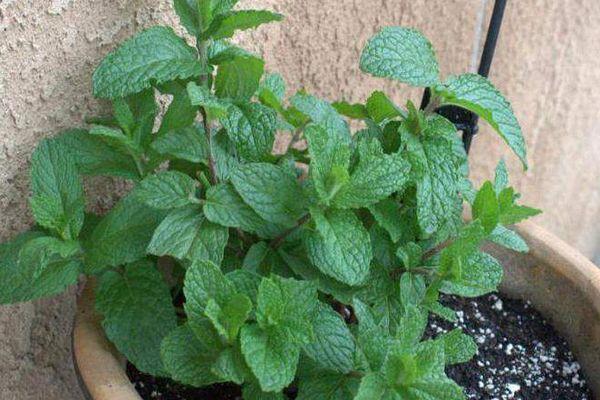
There are several common ways to grow mint at home. If you create the right conditions, this fragrant plant will delight you with a harvest year-round. It's important to choose the right planting container, soil, and optimal temperature and humidity. Maintenance doesn't take much time; the key is to water and fertilize regularly.
Features of growing on a windowsill
If you follow the proper growing guidelines, you can get a good harvest even in an apartment during the winter. Planting and care are straightforward. The plant is easy to maintain and requires little attention.
The main thing is to select a container, fill it with suitable soil, and decide on a planting method. Then, set a watering and fertilizing schedule.
Place the container with the seedlings on a bright windowsill, insulated balcony, or veranda. The plants should be kept out of direct sunlight and away from drafts.
Suitable varieties for home growing
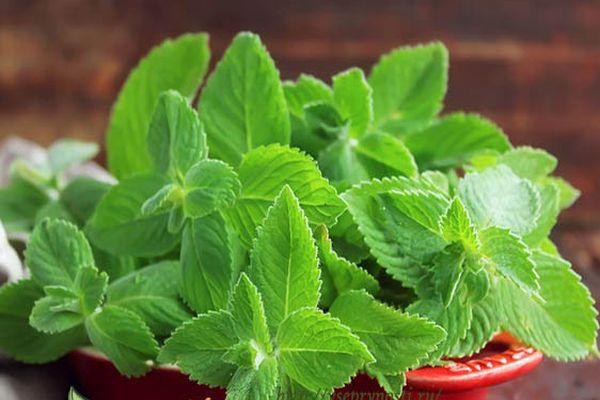
For growing at home, choose varieties of mint with small roots and not too spreading greenery.
- Mint "Vegetable Fun" is a perennial herb. The stem reaches 55 centimeters in height. The leaves are small, oval, and serrated. The greens have a pleasant aroma and a refreshing flavor.
- The Pearl variety is characterized by a pleasant minty aroma. The dark green leaves are oval-shaped and slightly wrinkled. The plant is compact and does not take up much space.
- Ceremony is distinguished by its subtle, sweet aroma. The stem grows up to 70 centimeters. The leaves are oval-shaped, with a wrinkled surface and light pubescence.
- Pennyroyal is characterized by a creeping growth habit. Numerous shoots produce small leaves with a pleasant, delicate aroma.
- The compact, upright Moskvichka mint variety grows up to 70 centimeters tall. The leaves are dark green and sparsely pubescent. It is highly resistant to many diseases and pests.
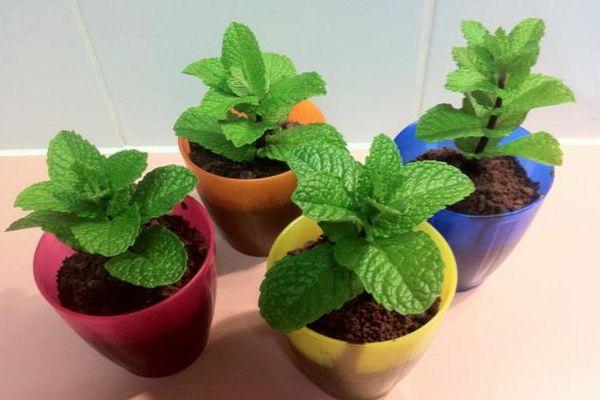
There are three main ways to grow any chosen variety of mint.
How to plant and grow on a windowsill
There are several ways to grow mint at home:
- The most difficult way to grow mint is from seed. It takes more than two months to harvest.
- It's easier to grow mint on a windowsill using cuttings. From a mature plant in the garden, cut off the side shoots, 1.5 centimeters from the central stem. Place the cut cuttings in a glass of water until roots appear, then plant them in soil. Choose branches with smooth, straight leaves, undamaged. A fresh harvest can be harvested in 3-4 weeks.
- Mint is also planted using root cuttings. Each cutting should have a bud and a couple of leaves. These are planted in a prepared hole, covered with soil, and watered. The harvest can be collected after a month.
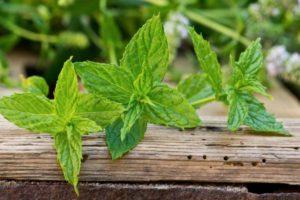
Whatever method you choose for growing mint at home, you need to create the right conditions and care for the plant properly. Only then will you be able to harvest the fragrant greens.
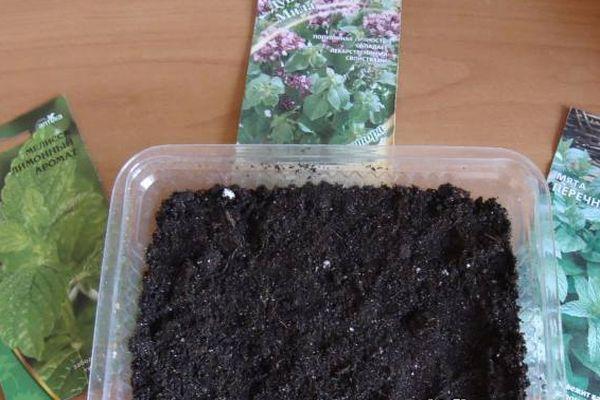
Preparing seeds and cuttings for planting
Mint seeds are best purchased from a specialty store. Collecting seeds yourself is a labor-intensive and difficult process. Even if you manage to collect the necessary seedlings, the resulting plant will differ from the original not only in appearance but also in aroma and flavor.
- To make the seedlings appear faster, the seeds are soaked.
- As soon as the first sprouts appear, they begin planting in the soil.
- For a week, cover the container with seeds with film and put it in a warm, dark place.
- After most of the seedlings have emerged, the container is moved to a bright place.
If you plan to grow mint from cuttings, cut the top 10-centimeter-long shoots of a mature plant. First, place the cuttings in water. Once roots appear (in about 1.5 weeks), you can begin planting them in a prepared container with soil.
What should the place be like?
In your apartment, choose the brightest windowsill, preferably on the west or east side. Insufficient light causes the plant's stems to stretch and its essential oil content to decrease. At the same time, the seedlings should be protected from direct sunlight, which can burn the leaves.
The plant thrives at room temperatures between 20 and 25 degrees Celsius. It thrives in humid air, so placing a container of water nearby is recommended.
Where to plant
When choosing a container, consider the desired harvest quantity. If a few branches are sufficient, flower pots can be used. For a larger harvest, a larger container is required.
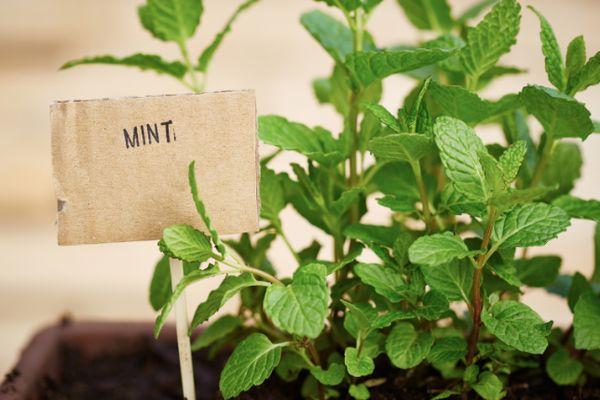
Mint's root system doesn't grow very deep in the soil, so it grows close to the surface. It's best to choose shallow containers with a large diameter. Be sure to make holes in the bottom of the pot to prevent excess water from stagnating. Drainage is added before filling the container with soil.
What kind of soil should I plant in?
Mint soil should be loose, light, fertile, with normal acidity and high aeration. You can buy the soil or mix it yourself. Humus, peat, and sand are added to the garden soil. These components provide additional nutrition to the plant and improve oxygen access to the roots. The resulting mixture is then baked in the oven.
Take a look Also
The pH level should be neutral. Low pH reduces the essential oil content of greens. High pH causes slow plant growth.
Landing
Make furrows 5.5 millimeters deep in the prepared soil and lay the seeds. Water the furrows, cover with soil, and cover with plastic wrap. Move the container to a warm, bright location. The first shoots should appear within 2-3 weeks.
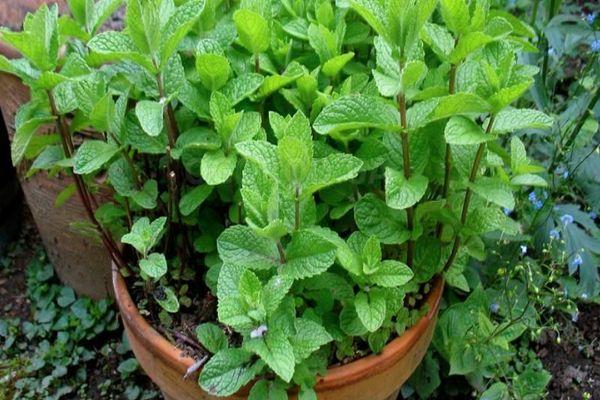
The temperature required for normal plant development ranges from 18 to 24 degrees Celsius. The container with the seedlings is moved to the brightest windowsill.
You can prepare not only seeds but also cuttings for planting. In the fall, dig up the plant. The rhizome should be taken with the root ball. Before planting, divide the rhizome into several parts. It's important to ensure that each separated part contains buds.
The cuttings are planted in pots with prepared soil. Holes are dug and wood ash is placed at the bottom. The cutting is planted in the hole, covered with soil, compacted, and watered. In just two weeks, the first fresh leaves will appear.
Plant care
Mint is easy to care for. In winter, reduce watering and ensure the soil does not become overwatered. During winter, the plant's growth slows, and its need for moisture and nutrients decreases. Regular misting with a spray bottle is recommended. The location should be protected from drafts.
During the summer, avoid allowing the soil to dry out. Insufficient moisture will kill the plant and increase the risk of disease and pests.
As soon as the first shoots appear, the container with the seedlings is moved to a bright spot. If there is insufficient light, artificial lighting is provided. The optimal indoor temperature is considered to be between 20 and 25 degrees Celsius.
Watering rules
Mint should be watered only with warm, preferably settled water. The best time to water is in the evening, when sunlight no longer penetrates the room.
Since mint thrives in humid air, misting the plants with a spray bottle is recommended. If the room is hot, place a container of water near the mint.
Top dressing
Mint doesn't require frequent feeding. It's enough to feed it once a year, preferably in the summer. During the winter, the plant goes dormant, and additional nutrients will encourage shoot growth.

A week after planting, it is recommended to fertilize the plant with a urea-based solution (2 grams of urea per liter of water). Avoid using nitrogen-containing fertilizers, as they reduce the plant's essential oil content.
Diseases and pests
Diseases that can harm the development of mint:
- rust - appears as dark red spots on the underside of the leaves (the fungal disease is provoked by excessive soil moisture, cold air, and excess nitrogen in the soil);
- Powdery mildew is characterized by a whitish coating that resembles flour;
- Verticillium wilt begins with blackening of the upper leaves of the plant;
- If brown spots appear on the leaves, this indicates a disease called anthracnose;
- Septoria leaf spot is accompanied by the appearance of black dots and brown spots on the leaves.
This aromatic plant is susceptible to attack by many pests. Commonly encountered insects include:
- mint flea beetle (small yellow bugs make round holes in the leaves);
- green shield bug (makes holes and eats the edges of leaves);
- aphids are considered dangerous for the plant (small insects live on the back of the leaves and feed on the plant juice);
- weevils (adults feed on leaves, and larvae feed on roots);
- mint mite (the insect feeds on the juice of young plants).
To combat pests and diseases, solutions prepared according to folk recipes or ready-made chemical or biological preparations are used.
Harvesting and storage
You can harvest indoor-grown plants at any time. It's best to wait until the plant reaches a height of 25 centimeters. You can pick individual leaves or entire branches.
It's best to dry the harvested herbs. To do this, lay them out on a flat surface in a well-ventilated area, away from sunlight. Stir the herbs periodically. Store the dried herbs in sealed containers in a cool, dark place.
Related posts:
 Description and properties of Moroccan mint, planting and care instructions
 Description and cultivation of spearmint, planting and care rules
 Description of mint diseases and pests and their control: white bloom, powdery mildew and others
 General information about pennyroyal, planting and caring for ombalo or fleabane
 Description and general information about chocolate mint, planting and care
 Medicinal properties and contraindications of field mint, description and care
 Features and uses of spearmint, planting and care rules
 How to properly plant mint seeds outdoors at your dacha