
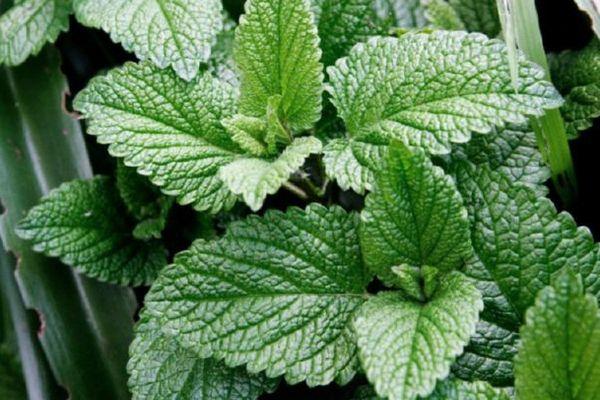
Mint's fresh aroma isn't the only benefit of this perennial plant. In addition to its spicy, menthol scent and light, refreshing taste, it possesses a host of medicinal properties. When planting mint from seedlings or seeds, be mindful of diseases and pests. Many gardeners have encountered a dangerous symptom: a white coating on mint.
Mint diseases and methods of control
It's a good idea for any gardener to know the symptoms of mint diseases. This will help avoid problems growing and harvesting mint. In winter, you can brew fragrant mint tea, prepare healing decoctions, and infusions.
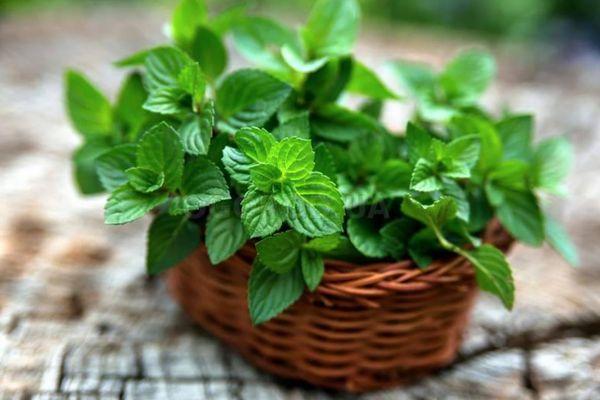
Rust
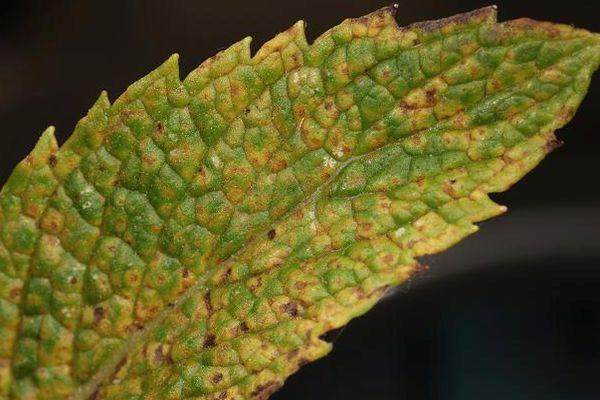
Mint rust is recognized by the orange pads that appear on the underside of the leaves. These gradually turn brown, and the fungal infection spreads to the stems. The plant loses its commercial value and cannot be used for drying.
Fungal spores can be found in soil, plant debris, and airborne. Factors that trigger infection include:
- decrease in air temperature;
- high humidity (air, soil).
Rust control is based on preventative measures. The soil and young seedlings are treated with a fungicide solution in the spring. Nitrogen levels in the soil are monitored; excess nitrogen weakens the plant's immune system and increases the risk of fungal infection. Diseased plants are destroyed. Select suitable growing media. varieties of mint, rust-resistant.
Powdery mildew
The most common fungal disease of mint. In the initial stage, a light white coating, resembling a web in appearance and texture, forms on the leaves. Mature plants are usually affected. Symptoms appear in August after the first cold nights.
Morning dew, lingering rains — Weather factors that lead to powdery mildew on mint. Over time, small black growths form on the plant's leaves. These are fruiting bodies filled with spores.
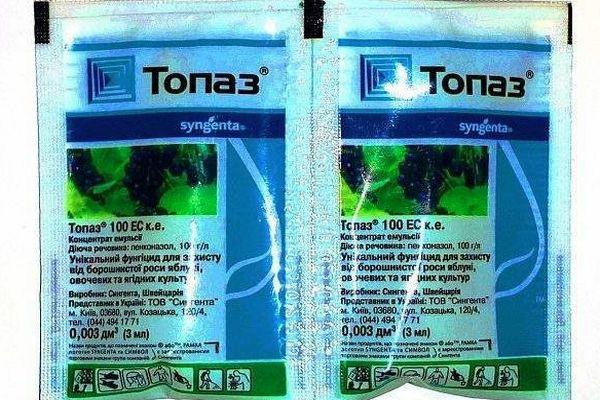
Diseased bushes are treated with fungicides (Topaz, Jet), but the leaves are unfit for consumption for two weeks after treatment. Powdery mildew can be controlled with a colloidal sulfur solution. For prevention, in early August, the bushes should be sprayed with a 1:1 solution of milk and iodine (2 drops per liter).
But it's better to support your immune system with HB 101. This herbal remedy is safe for human health. In the fall, the garden bed should be dug over and treated with a solution of Fitosporin or another insecticide.
Fusarium wilt
The causes of the disease include poor care and harsh weather conditions. Poor care includes infrequent watering, leading to regular soil drying out. Hot, dry weather and cold, rainy weather can equally trigger the disease.
Diseased plants are stunted, stems lose elasticity, and the lower (basal) parts darken. The infection (fungus) persists in the roots and stems of untreated plants and in the soil. Diseased mint bushes dry out in hot weather and rot in cold weather.
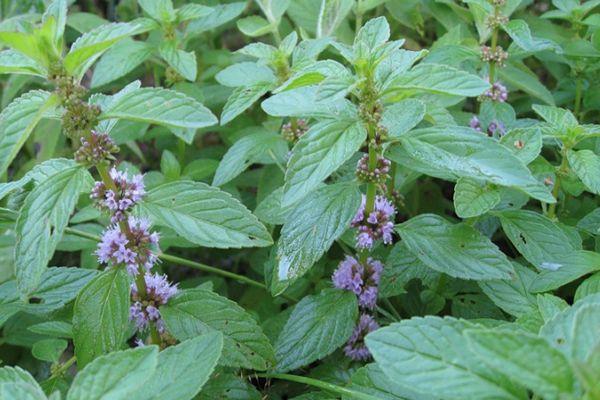
A plant affected by fusarium should be uprooted, along with the soil, and destroyed. To prevent infection, follow these simple rules:
- remove weeds from the garden bed;
- Once per season, water the soil with a pink solution of potassium permanganate;
- do not add fresh organic matter to the soil;
- normalize soil acidity;
- add to the soil in spring or autumn phosphorus-potassium fertilizers.
Phyllostictosis
Fungus — the causative agent of phyllostictosis, begins to multiply with the onset of hot weather (25-28 °C). Its spores remain viable for a long time and overwinter in the soil on plant debris.
Symptoms of the disease:
- at the beginning - small spots, white with a brown border;
- at the development stage - black dots in the central part of the leaf blade;
- At the final stage, the plant sheds its leaves affected by the fungus.
Anthracnose
This disease is quite rare in mint, most often affecting plants grown from seedlings. When severely affected, the mint stems become thin and twisted, and all the leaves fall off. In the initial stages, anthracnose appears as brown spots in the center of the leaf blade.
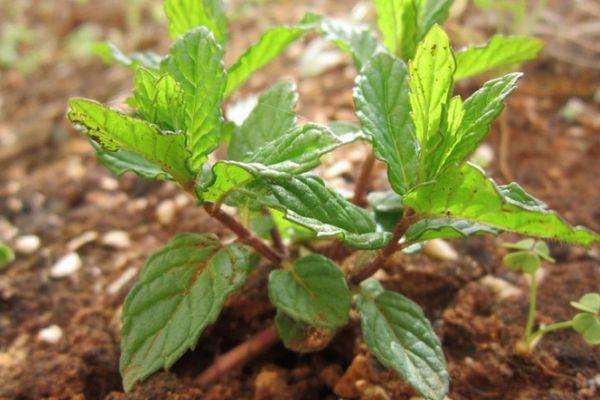
This disease doesn't occur every year and causes little damage. Simple preventative measures are sufficient to combat it:
- removal, destruction of the infected bush;
- soil treatment with fungicide;
- keeping the garden bed clean.
Ascochytosis
Brown spots on the stem and leaves are the first symptoms of ascochyta leaf spot. The spots are small and tend to merge. Weak plants are noticeably stunted, young shoots are twisted, and leaves dry out and fall off.
Take a look Also
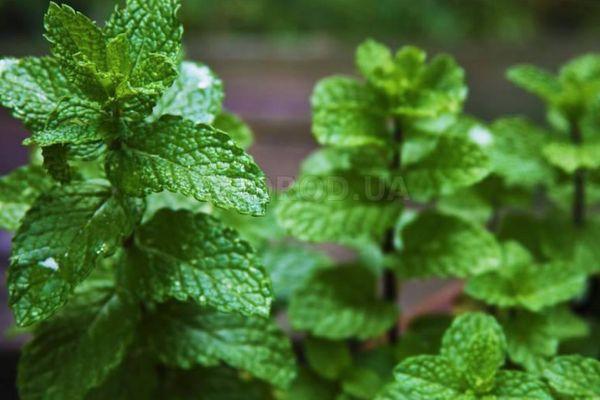
Ascochyta leonuri Ell. et Dearn is a fungal infection caused by spores that mature in pycnidia located on the leaves of the mint plant itself and nearby weeds. Catnip and motherwort are common hosts of the fungus. These plants should be removed from garden beds.
Septoria
The disease is caused by spores of the fungus Septoria menthae Oudem. Mint bushes growing in high-humidity conditions are most often affected. The optimal temperature for the fungus to thrive is 22-27°C. Leaf spots appear in early summer.
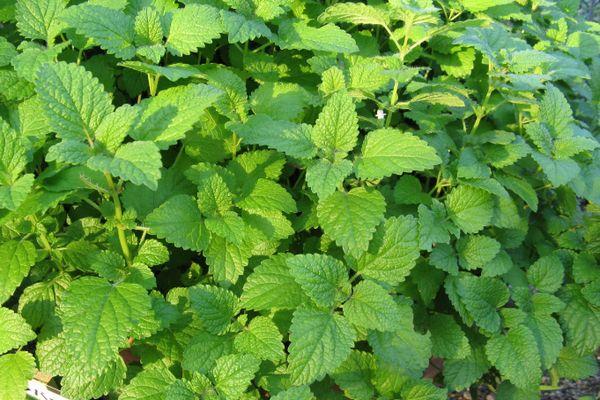
They are round or angular in shape. The center of the spots is light, while the border is dark, almost black. After some time, black spots (pycnidia) appear on the surface of the affected leaves, and tissue destruction occurs.
Peronosporosis
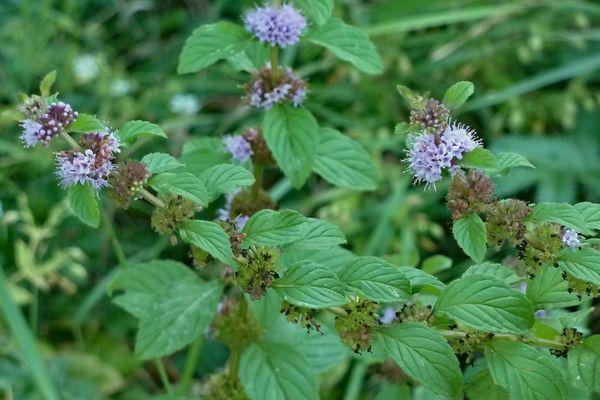
Downy mildew affects mint leaves and flowers. The disease is caused by the fungus Peronospora stigmaticola Reunk, whose spores survive on plant debris that falls into the soil. Ideal conditions for conidia formation include high humidity and moderate temperatures.
Symptoms of downy mildew:
- loose coating of a gray-violet hue on flowers;
- shapeless light green spots on the back of the leaves;
- the spots become covered with a coating of spores;
- If the damage is severe, the leaves lose their shape, fall off, and the inflorescences turn brown, dry out, or rot.
Overgrowth
Anthocyanin coloration, slow shoot growth, and lack of developed rhizomes are signs of overgrowth that appear early in the growth of mint plants. The disease is caused by microorganisms called mycoplasmas. If infection occurs at a later stage, the symptoms of overgrowth are different:
- many thin shoots growing from the base of the bush or from its top;
- hypertrophied inflorescences.
Diseased bushes should be destroyed, and healthy ones replanted. Harmful insects, potential carriers of infection, should be exterminated.
Mint pests and methods of control
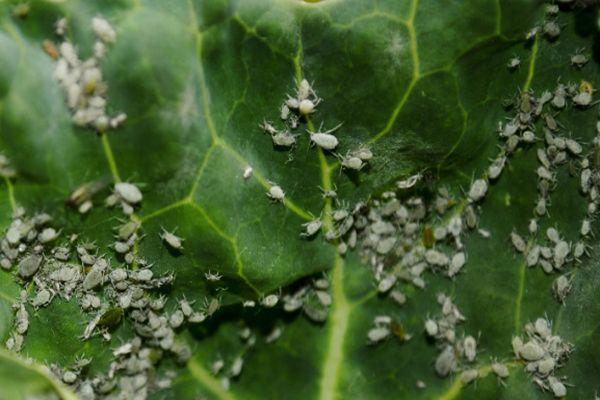
To harvest mint for the winter, you need healthy plants. Throughout the summer, you need to monitor the condition of the leaves and stems. They can be damaged not only by fungal infections, but also by insects that enjoy feasting on the aromatic plant.
Mint flea
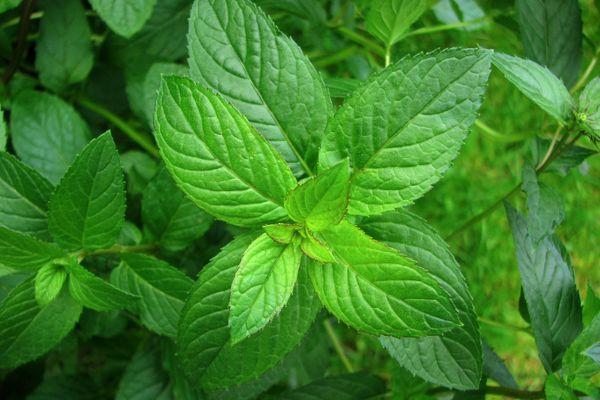
If the spring is dry and warm, small holes may appear on young mint leaves. These are eaten by jumping mint beetles (flea beetles). Adult mint beetles reach a length of 1.8 cm and are light brown in color.
One female mint flea beetle produces one generation per season. Larvae hatch from eggs laid in the root zone. They feed on small mint roots, pupate, and then transform into beetles, crawl to the surface, and feed on mint leaves. The damaged plant may die. Actellic is used for protection against the insect.
Mint leaf beetle
The insect is found in the European part of Russia. Beetles emerge in the spring with the onset of warm days, when the average daily temperature does not drop below 14°C. Characteristics of an adult leaf beetle:
- length 1.1 mm;
- the main color is blue-green;
- bronze cast.
The beetles feed on leaves in the morning and evening. The female lays eggs in inflorescences. The leaf beetle's breeding season lasts throughout the summer (June-August). The larvae, like the adult beetles, consume leaves and shoots, causing them to wither.
To kill a small number of insects, use a hot pepper infusion. To prepare 10 liters of solution, use 150 g. For large infestations, use a 0.2% chlorophos solution.
Peppermint mite
Mites are common in southern regions and cause significant damage to mint crops. The insects are no more than 0.5 cm long and appear on mint plants in May. A single female produces over 10 generations of pests.
The mite sucks the sap from the upper part of the shoots, secreting a substance that destroys plant tissue. Damaged shoots die. To prevent mint mites, remove all plant debris when preparing the beds in the fall, burn it, and dig up the soil. Relocate the mint plants every three years. These insects can be controlled with Fosfamide and Metaphos.
Related posts:
 Description and properties of Moroccan mint, planting and care instructions
 Description and cultivation of spearmint, planting and care rules
 Medicinal properties and contraindications of field mint, description and care
 Description and general information about chocolate mint, planting and care
 The medicinal properties of mint for the human body, areas of application and contraindications
 General information about pennyroyal, planting and caring for ombalo or fleabane
 Features and uses of spearmint, planting and care rules
 Description of black mint, plant characteristics, planting, yield, and storage