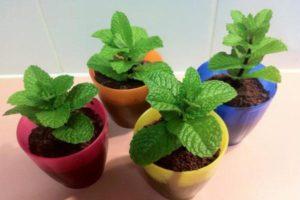
You can grow many on your plot types of mint – menthol, peppermint, longleaf, and apple. This plant requires little attention and quickly produces a harvest of aromatic foliage that can be used in the kitchen, in the home medicine cabinet, and for aromatherapy. Learn how to propagate individual mint varieties so you can try growing them in your garden.
Peculiarities of peppermint propagation
Peppermint is one of the most popular varieties. It contains a large amount of menthol, which gives the leaves a strong scent and cooling properties. This variety was artificially bred and is not found in the wild. Therefore, peppermint seeds are not found in stores; packets bearing such names usually contain either other subspecies or seeds with poor germination rates.
Peppermint seeds can germinate under a variety of conditions, but the resulting number of sprouts will be minimal enough for a biologist's work, not sufficient for harvesting. Therefore, peppermint is more reliably propagated by cuttings.
Propagation by seeds
This method is suitable for non-hybrid varieties, such as water mint, forest mint, and spearmint (garden mint). Buy only high-quality, proven planting material!
You can plant the plant directly in open ground or start with seedlings indoors. Mint also grows well indoors on a windowsill.
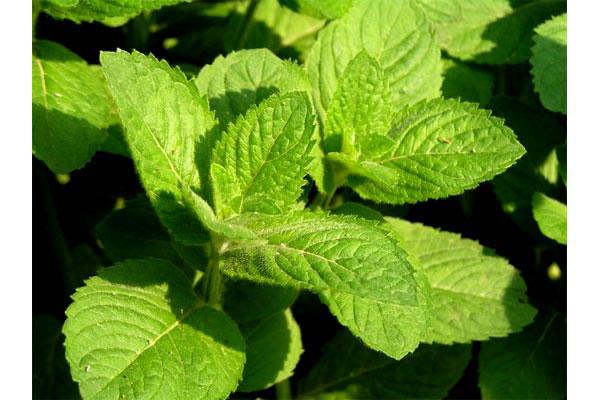
To get seedlings from seeds, the following is important:
- Sunlight. The plant prefers sunny or partially shaded areas.
- Warmth. Optimal conditions for germination: about 22 degrees.
- Air and soil humidity.
- The soil should be loose and fertile.
- Plant the seeds shallowly, 1-2 centimeters, as they are small in size.
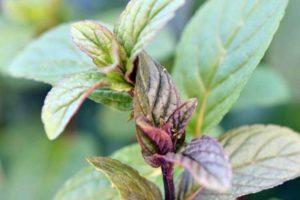
Start planting indoors in February. Cover the seed containers with plastic wrap for two weeks and air them periodically to prevent rotting. Plastic containers with lids can be used.
In 2-3 weeks, all viable seeds will sprout. Wait until two leaves appear and transplant the seedlings into separate containers, 5 centimeters apart.
Thin the seedlings as they grow. Mature mint plants should be spaced at least 35 centimeters apart. Don't throw away any uprooted plants; replant them elsewhere.
If you plan to plant in open beds, it's best to dig them to a depth of 20-30 centimeters in the fall and fertilize them. Humus and mineral fertilizers are suitable. Begin sowing in April or the first half of May. Remember to water the mint regularly to prevent the soil from drying out. Avoid watering immediately after sowing to prevent the seeds from sinking too deep.
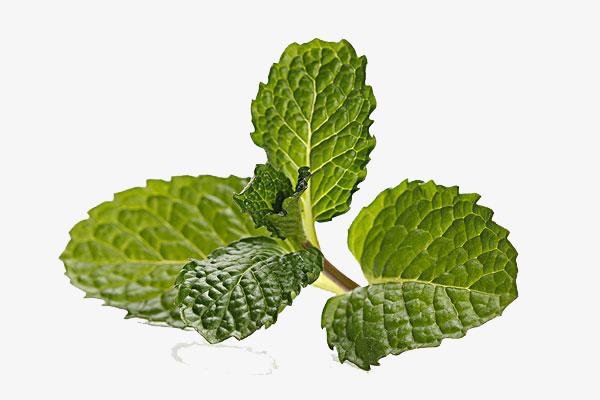
Root cuttings
Mint has a developed root system, with buds on long shoots, allowing the plant to cover large areas on its own. This characteristic is exploited when propagating by root layering.
In September, dig up the rhizome, cover it with soil, and store it in a cool, dark place until spring. The mother plant should be healthy and free from pests. In the spring, cut 10-centimeter-long pieces of the root and shoot and plant them in moist, loose soil to a depth of 5-7 centimeters.
After 10-14 days, young plants will appear in the pots. This method is suitable for all types of mint except water mint.
Rooting cuttings and leaves
A simple and reliable method. It's good not only for its high survival rate, but also because you'll know for sure what kind of mint you'll grow. Plants grown from seeds, especially hybrids, can have characteristics of another variety due to cross-pollination.
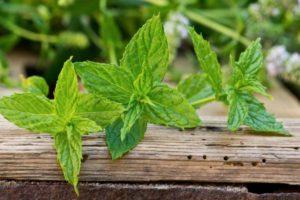
To propagate by cuttings, cut several healthy mint sprigs with a couple of rosettes of leaves. Place them in water, such as glass cups or jars, each cutting individually. After a week, roots will begin to appear; give them three days to grow.
Next, plant the new plants in the same conditions as any other young mint plant: at least 20 centimeters apart from the neighboring plant, loose, fertile soil, and sufficient light, warmth, and moisture. Plant them 3-5 centimeters deep. Sometimes, even individual mint leaves placed in water can produce roots.
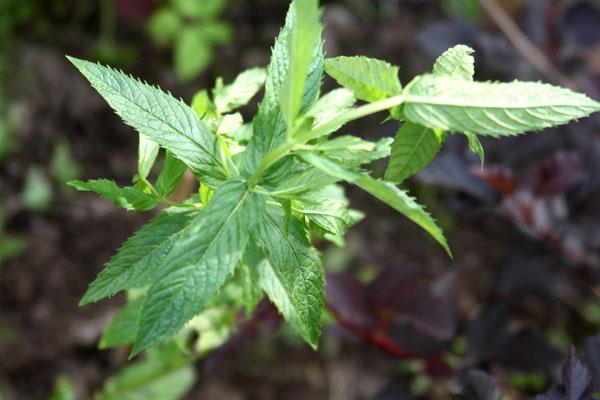
In summer, freshly cut cuttings can be planted directly in the soil, 15 centimeters apart, and kept well-watered. They will sprout in 7-10 days.
Dividing the mother bush
With this propagation method, new plants retain all the varietal characteristics of the mother plant. Bushes 3 years and older can be divided.
This should be done at the end of April - beginning of May, provided that there are no sub-zero air temperatures at night.
Dig up the original bush and divide it into several pieces. To ensure they take root, each piece must have buds, several shoots, and a rhizome.
Plant the separated bushes in holes about 10 centimeters deep in loose, fertile soil. Cover with soil, firm down, and water. Continue caring for the mature plant.
To ensure that the cuttings and parts of the mother plant grow well, after 14-20 days you can fertilize them with a weak urea solution, one liter per plant.
Care and optimal conditions
Mint is quite unpretentious; in nature, and sometimes even in a garden plot, it can grow like a weed.
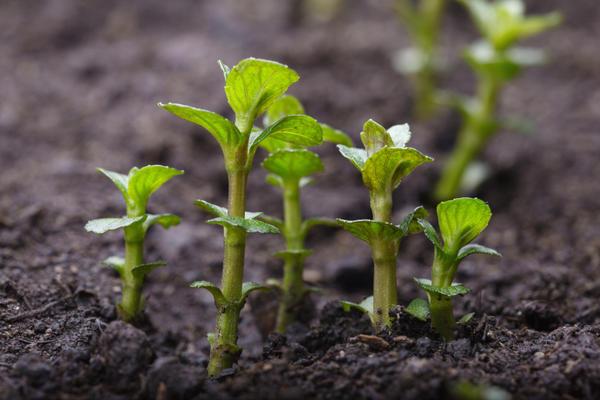
However, if you want to be guaranteed to get high-quality, aromatic herbs rich in beneficial essential oils, provide the plant with good conditions:
- Mint requires black, nutrient-rich soil. It won't grow in soil that's too dense.
- Monitor the air and soil humidity, water the bushes regularly, but not too much. In dry weather, you can mist them with water or water them with a hose.
- Weed the beds regularly and do not allow them to become overgrown with weeds.
- Monitor and promptly get rid of insect pests and plant diseases.
- Maintain distance between individual specimens when planting in the ground; don’t be afraid to thin them out and replant them.
Related posts:
 Description and properties of Moroccan mint, planting and care instructions
 Description and cultivation of spearmint, planting and care rules
 General information about pennyroyal, planting and caring for ombalo or fleabane
 Description of mint diseases and pests and their control: white bloom, powdery mildew and others
 Features and uses of spearmint, planting and care rules
 Description and general information about chocolate mint, planting and care
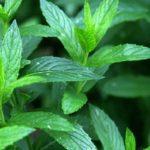 Medicinal properties and contraindications of field mint, description and care
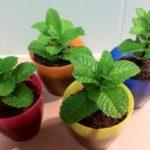 How to grow mint from seeds in a pot on a windowsill in winter, care instructions