
- General information about garden mint
- Appearance of the plant
- Smell and taste
- Beneficial and harmful properties
- What is needed to grow the spiked variety?
- Illumination of the area
- Temperature and humidity
- Soil composition
- What crops can be combined with plantings?
- How to plant a plant in a vegetable garden
- Deadlines
- Selection of planting material
- Seed sowing technology
- Planting cuttings
- General care rules
- Watering
- How and what to feed
- Pinching
- Caring for the beds: loosening the soil and removing weeds
- Prevention of diseases and insects
- When to cut mint grass
- Methods of reproduction
- Seminal
- Cuttings
- Rhizome
Breeders have developed many varieties of mint. All have a unique menthol flavor and aroma. One popular variety planted by gardeners is spearmint, also known as garden mint. It's easy to grow and requires little maintenance. The plant is capable of self-propagation through its extensive rhizomes.
General information about garden mint
The plant is a herbaceous shrub. It can grow in the same place for many years. In winter, the above-ground part of garden mint disappears, reappearing in the spring after the sun warms the area.
Appearance of the plant
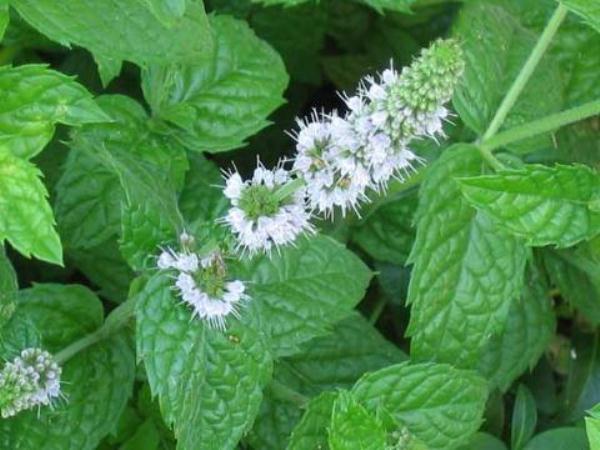
The shrub consists of erect, tetrahedral stems with wrinkled, ovoid leaves with serrated edges. The inflorescences are colored white and pink, consisting of small flowers up to 3 millimeters long. The rhizome is branched, producing new roots and shoots. Mint blooms in early July.
Smell and taste
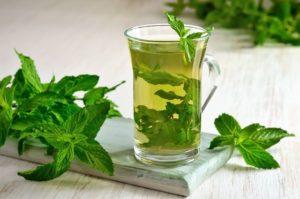
Garden mint leaves contain essential oils, giving it a distinctive menthol aroma. Its flavor is unique, refreshing, but not as pungent as, for example, peppermint. It is used in a variety of hot and cold drinks and to flavor various dishes.
Beneficial and harmful properties
Spearmint has the following beneficial properties:
- relieves spasms;
- disinfects the oral cavity;
- has a choleretic effect;
- relieves swelling;
- used as an antipruritic agent;
- used for digestive disorders.
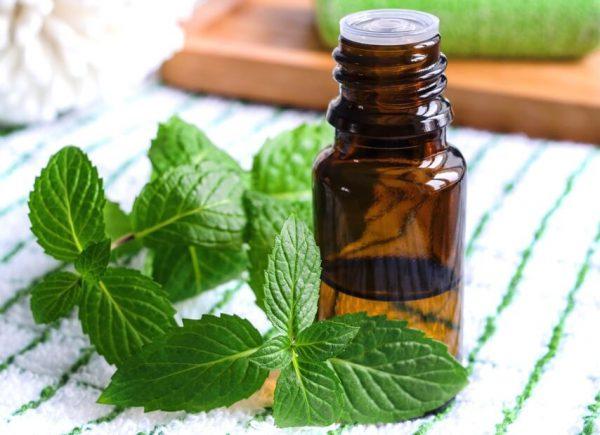
Spearmint oil is used in cosmetics, medicine, confectionery, and other industries. It can be harmful to individuals with intolerance, low blood pressure, and varicose veins. Furthermore, consuming spearmint can reduce a man's libido.
Important! Doctors do not recommend consuming mint during pregnancy.
What is needed to grow the spiked variety?
Mint grows in the same place for many years, so the site for it must be selected immediately. It must be chosen according to the planting requirements, as well as the correct neighbors.
Illumination of the area
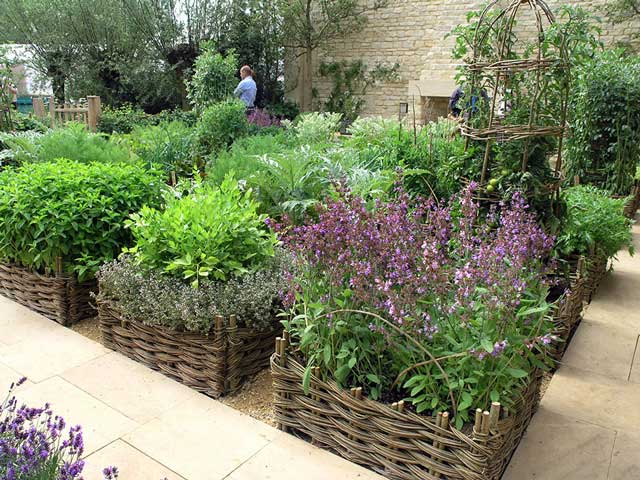
Choose a planting site for garden mint that's well-lit but shaded during the hot midday sun. It will also grow well in partial shade. In full shade, the bushes will be small, with thin stems and leaves.
Temperature and humidity
Spearmint prefers deep but infrequent watering. Allow the top layer of soil to dry out. Water in the evening with water that has been warmed by the sun during the day. To retain moisture, the bushes can be mulched with peat.
Soil composition
The plant prefers permeable, fertile soil. It grows well in sandy loam and clay loam. Waterlogged soils are unsuitable, so if the soil is close to the surface, add a 10-15 cm layer of drainage material to the planting hole.
What crops can be combined with plantings?
Mint grows well after legumes, which improve the health and loosen the soil. Planting any vegetables near mint is not recommended for the following reasons:
- They are sprayed with chemicals that can come into contact with the mint;
- The plant has powerful rhizomes that quickly spread beyond the planting area, choking out all cultivated plantings.
To limit the growth of mint, you can dig in sheets of slate around its growth perimeter.
How to plant a plant in a vegetable garden
To enjoy fragrant mint leaves all season long, you need to select healthy planting material and plant the bushes at the right time.
Deadlines
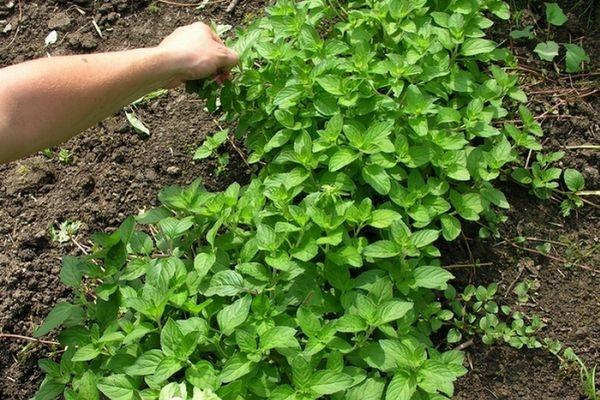
Spearmint can be planted in spring and fall. If planted in spring, it will have time to take root and grow before the cold weather sets in. Container-grown mint can be planted at any time of year.
Selection of planting material
To ensure rapid growth, carefully select your planting material. Seeds are purchased from specialist stores. The packaging should include information about the variety, as well as the manufacturer or seller.
If you buy mint with shoots already growing, you need to make sure that the rhizome is well developed.
Seed sowing technology
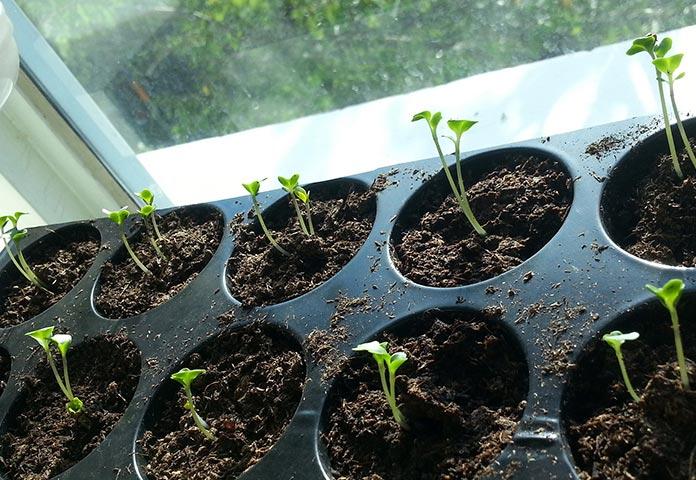
Garden mint seeds can be sown directly into the ground or first in a seedling container. To plant indoors, follow these steps:
- sort out the seeds, remove dry, non-viable ones;
- pour loose, moist, breathable soil into the planting box;
- make shallow furrows, up to 0.5 centimeters, and sow the seeds in them;
- fill the furrows, spray the plantings from a spray bottle;
- cover the box with plastic wrap.
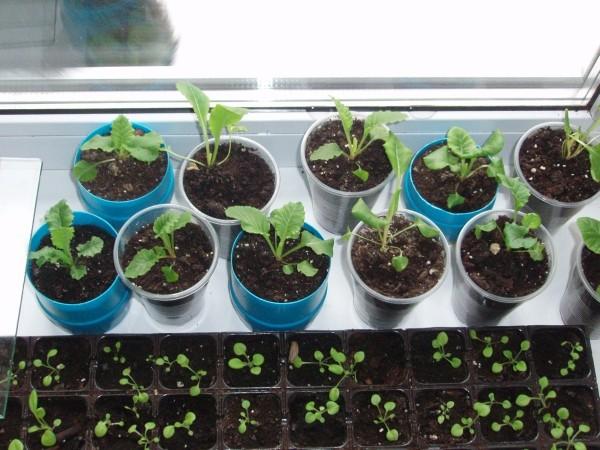
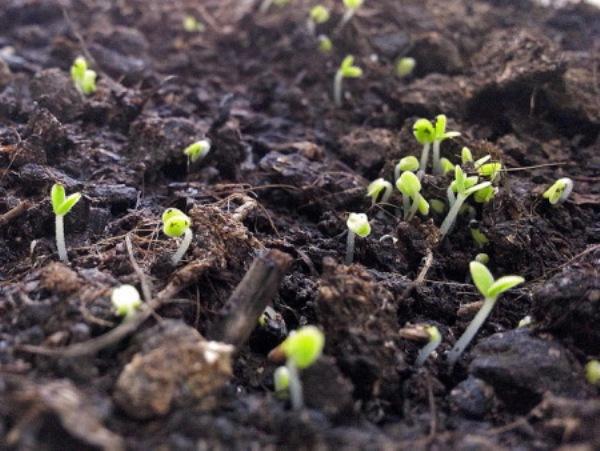
Place the container in a warm location. Open the film daily for ventilation. When sprouts appear, remove it. The seedlings are pricked out into individual pots, then, when they grow, they are planted outdoors.
Take a look Also
Planting cuttings
Grown, rooted plants can be planted at any time. To do this, dig a hole and water it generously. Remove the mint from the pot without breaking the root ball, plant it in the hole, and cover with soil. Mulch the root area to retain moisture.
Please note: To prevent garden mint from taking over the entire area, its spread should be limited by planting slate leaves in the ground.
General care rules
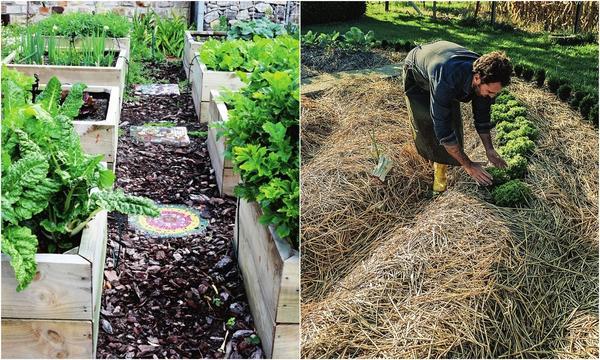
Spike mint doesn't require much care, but during dry periods it will need watering, loosening the soil, and mulching afterwards. Additionally, the shoots should be pruned periodically to encourage bushier growth.
Watering
Garden mint thrives on moisture; without it, shoots will develop poorly. Water the plant in the evening, after the sun has subsided but before dark. No drops of water should remain on the leaves overnight.
How and what to feed
Herbs don't require fertilization; they grow well without it. In fact, too much fertilizer can ruin their flavor. Spearmint can be left unfertilized, or you can simply apply a low-concentration complex mineral fertilizer once in the spring.
Pinching
Mint, however, does require pinching: this procedure promotes the awakening of lateral buds and, consequently, the plant's tillering. The plant can be pinched several times during the season. If a gardener wants to grow mint for the purpose of harvesting aromatic leaves for the winter, it should not be allowed to flower: the flower stalks should be cut off during the development stage.
Caring for the beds: loosening the soil and removing weeds
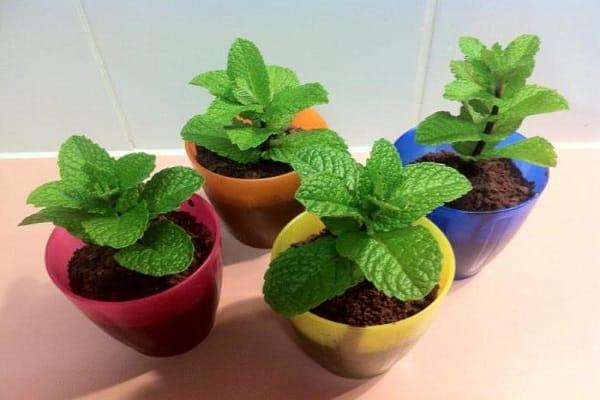
Careful loosening of the soil is essential, as garden mint's rhizomes grow close to the surface and can be damaged by the gardener's clumsy movements. For the same reason, weeds in the beds are removed manually. This procedure is especially necessary when the bushes are still small: rapidly growing weeds can overwhelm the garden mint, preventing it from developing properly.
Prevention of diseases and insects
Garden mint leaves are used to flavor food and drinks, so they should not be sprayed with chemicals. Diseases and pests must be prevented.
To prevent mint from being affected by, for example, powdery mildew, bushes are not planted close to each other.
To prevent the appearance of leaf beetles, conditions are created in which there is no stagnant moisture in the soil.
When to cut mint grass
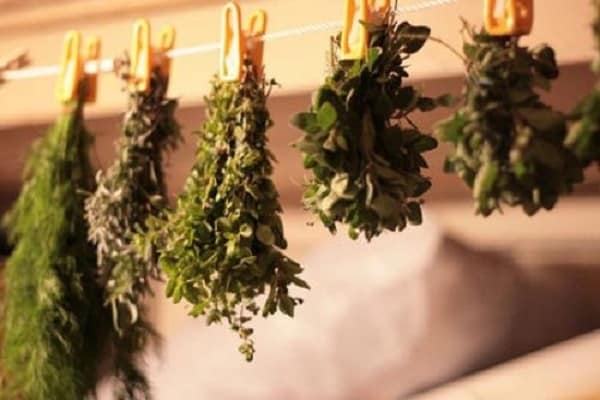
You can begin cutting the stems when they reach 20-25 centimeters. They are used for their intended purpose, and the procedure itself will promote tillering of the garden mint. The most tender and fragrant leaves form before the bushes bloom. You should prune no more than two-thirds of the plant at a time, otherwise the above-ground portion will take a long time to regrow.
Methods of reproduction
Spike mint can be propagated in a garden in several ways: by seeds, cuttings, or rhizomes. In practice, gardeners primarily use cuttings and rhizome propagation.
Seminal
Mint is sown first as seedlings in late winter or directly into open ground in spring. Spring sowing in a permanent location is done as follows:
- the previously dug area is leveled and furrows 0.5 centimeters deep are made in it;
- the seeds are sown and sprayed with water from a spray bottle;
- The plantings are covered with peat.
The area is covered with plastic film until the sprouts emerge. Once the seedlings have grown, the unwanted ones are removed or they are planted more sparsly.
Cuttings
To propagate mint by cuttings, you need to follow these steps:
- cut off shoots 8-10 centimeters long and place them in a glass of water;
- cover the container with film;
- place it on a light windowsill.
Once the cuttings have developed roots, they are planted in the garden. Alternatively, the shoots can be planted in a container with damp sand and then, after rooting, transplanted to their permanent location.
Rhizome
This is the most popular method for propagating spearmint. The procedure is as follows:
- the old bush is dug up and shaken off the soil;
- is divided into several parts, each of which should have shoots and rhizomes;
- the above-ground part is cut off, the cuttings are planted in pre-prepared holes;
- The bushes are watered generously, covered with soil, and then mulched.
Tip! To help plants establish themselves more easily, trim the above-ground portions before replanting. This will ensure all the plant's energy is focused first on rooting and then on developing the above-ground portions.
Planting and caring for spearmint doesn't require much effort or expense. And from the plants you grow yourself, you can prepare hot or cold drinks and use them to season various dishes. Furthermore, spearmint is used in folk medicine as a healing plant for various ailments.
Related posts:
 General information about pennyroyal, planting and caring for ombalo or fleabane
 Features and uses of spearmint, planting and care rules
 Description and properties of Moroccan mint, planting and care instructions
 Names and descriptions of mint species, what varieties exist in nature
 Medicinal properties and contraindications of field mint, description and care
 Description and general information about chocolate mint, planting and care
 The medicinal properties of mint for the human body, areas of application and contraindications
 How to properly plant mint seeds outdoors at your dacha